





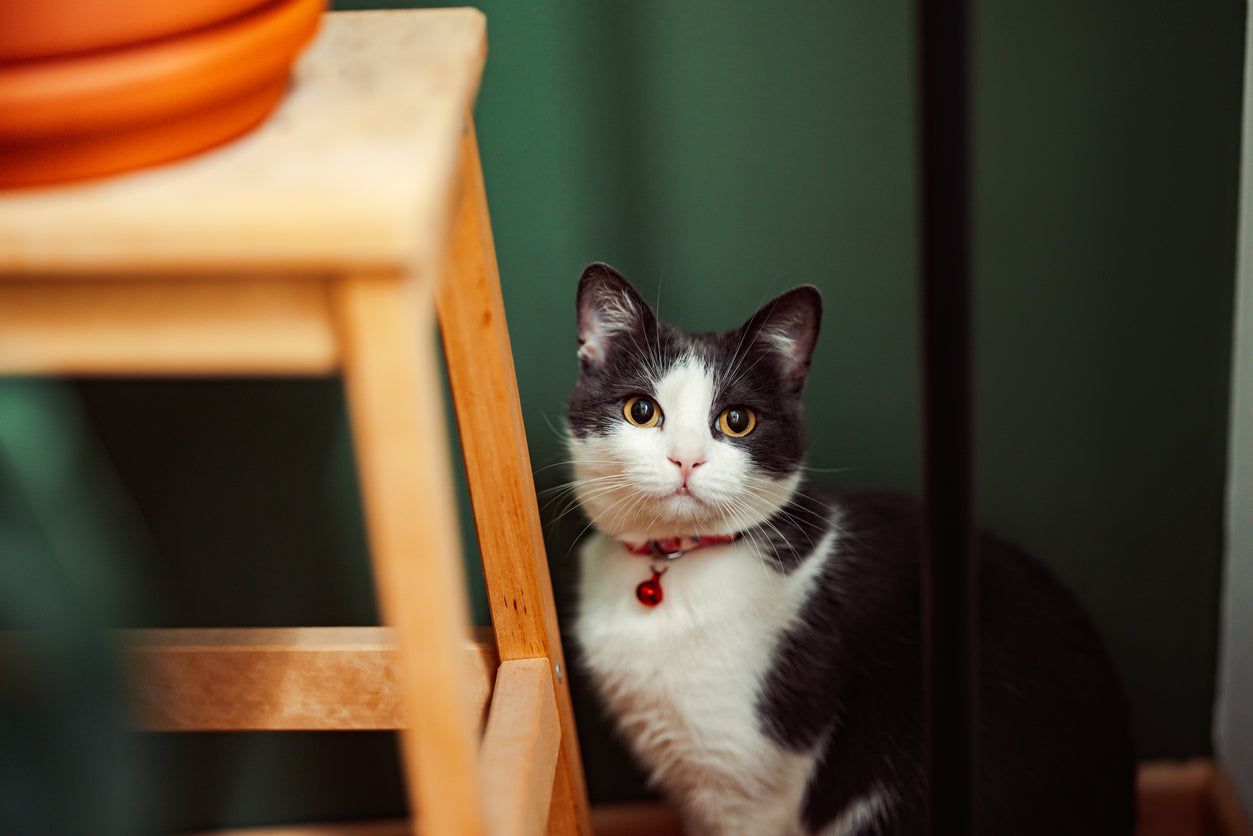
A collar can provide visible identification, but it also introduces fit and snagging risks. A registered microchip provides a separate form of identification that does not depend on a collar staying on. The practical decision is how to identify your cat while keeping their comfort and safety in view.
Start with the job you need done. Letting a finder contact you, locating a missing cat, and allowing access to a feeder are different tasks. A device designed for one should not be assumed to do the others.
Visible identification and microchips serve different roles
An ID tag can give someone who finds your cat a way to contact you without first arranging a scan. However, a collar can be lost. Microchipping offers a more permanent identification method: the chip holds a unique number linked to your details in a database.
Cats Protection explains how registration works. Have a veterinarian or qualified implanter advise you, confirm the registration is complete, and update your details when your phone number or address changes. Do not assume that a chip already implanted in an adopted cat is registered to you.
Choose a collar designed to release
If you use a collar, Cats Protection recommends a quick-release or snap-opening design rather than an elasticated collar. A collar can catch on objects, or trap a paw or jaw. A release mechanism is intended to reduce that danger; it is not a guarantee against every accident.
Choose a cat-specific size, check for damaged stitching or loose decorations, and follow the maker's instructions. Replace damaged equipment. A collar chosen for appearance still needs to meet the same practical requirements.

Fit and comfort need repeat checks
Cats Protection advises a fit that allows two fingers underneath comfortably, with another check shortly after fitting. Check again as your cat grows or their condition changes. Too loose can create room for entanglement; too tight can cause discomfort.
Observe your cat after introducing a collar. If there is persistent distress, rubbing, or skin damage, remove it and seek veterinary advice. Do not force continued wear simply because another cat tolerates the same design.

Bells, tags, and other attachments
Attachments can add snagging points. Think about whether each one is necessary and whether it interferes with the collar's fit or release. Avoid treating every cat's response to a bell as identical, or claiming that all bells inevitably cause hearing damage.
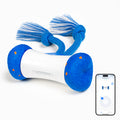
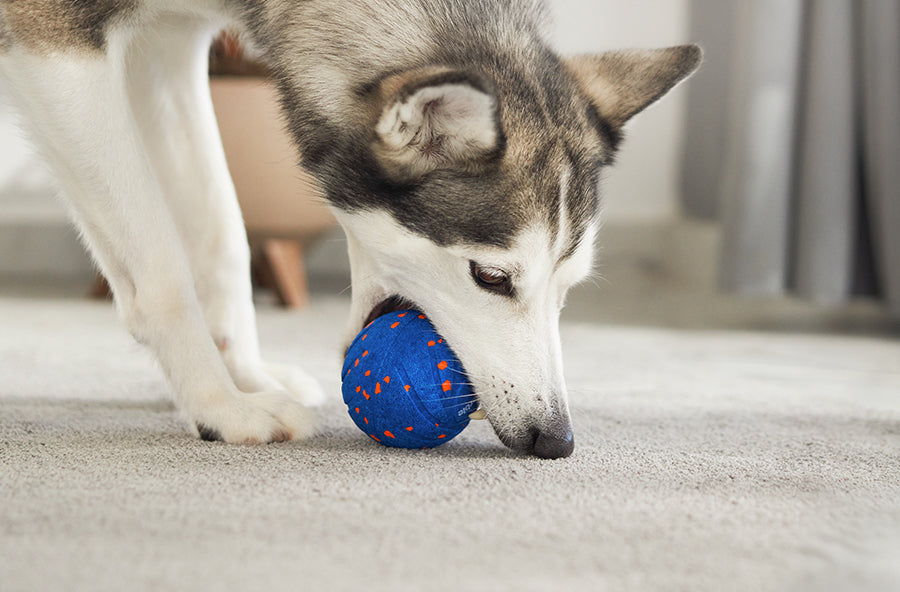
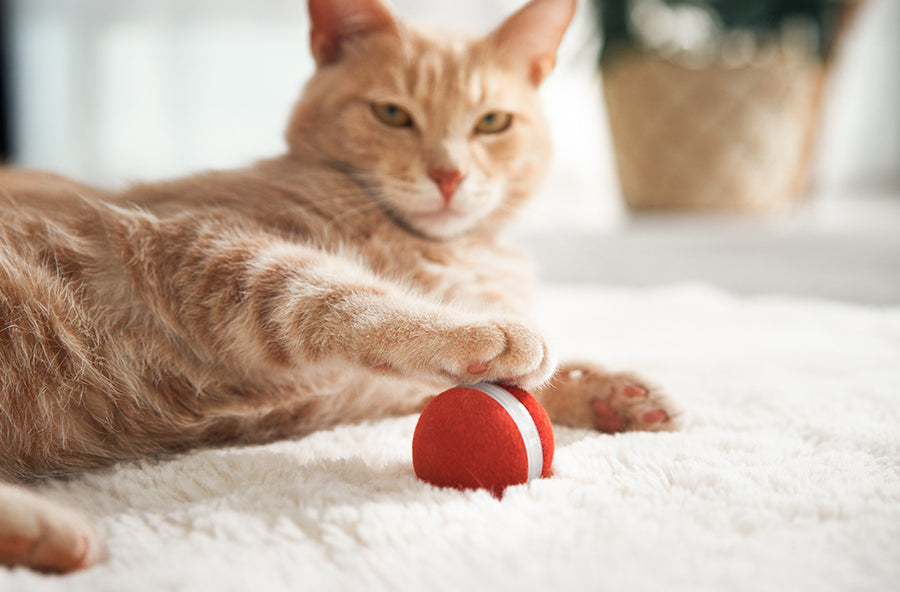
For everyday activity at home, make space for supervised play and quiet rest. Our cat toy collection offers play options; toys serve a different purpose from identification equipment.
Feeder recognition is a separate decision
A feeder recognizing your cat at mealtime is not a lost-pet identification service. Before choosing any selective-access device, ask what identification it reads, which cats it supports, and what happens when recognition or power fails.
Some devices read an implanted microchip, while others use a wearable identifier or another recognition method. Check the device’s power requirements and its behavior if identification is unavailable. Verify the specific model's instructions and provide a way to feed your cat if the device is unavailable.
Choose the collar and microchip arrangement around identification and comfort, then evaluate feeding equipment on its own merits. A claim of collar-free recognition does not, by itself, establish better health or replace a plan for finding a lost cat.



Leave a comment
All comments are moderated before being published.
This site is protected by hCaptcha and the hCaptcha Privacy Policy and Terms of Service apply.