






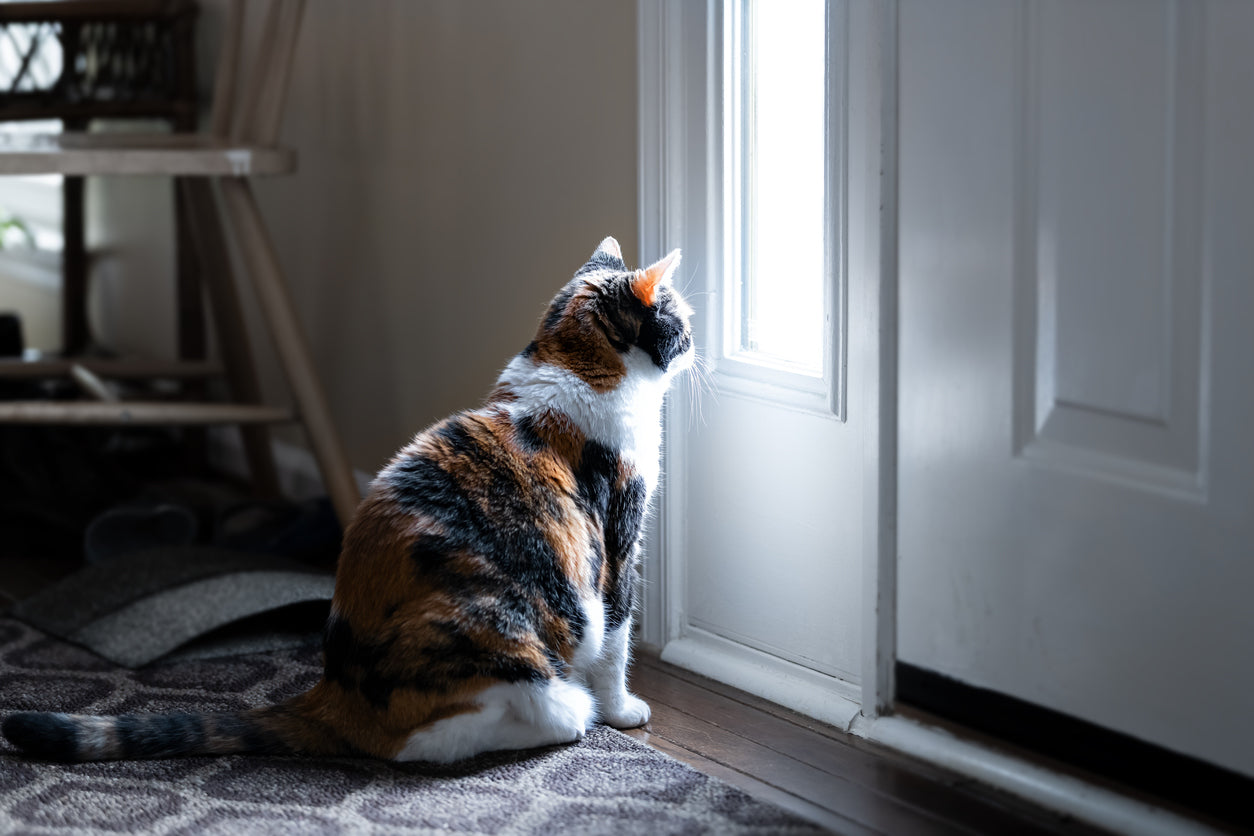
The Modern Pet Parent’s Dilemma: The Guilt of Leaving
Every pet parent knows that specific feeling of guilt when the suitcases come out. As much as we look forward to a vacation or a necessary business trip, a part of our mind stays at home, hovering over an empty food bowl.
Cats are creatures of habit. Their world revolves around a predictable schedule. When that schedule is disrupted, it’s not just about hunger—it’s about the stress of the unknown.
In the past, traveling meant relying on a neighbor’s memory or paying for expensive boarding that often left cats stressed. Today, technology has shifted the landscape. But how do you ensure your cat stays healthy and happy while you explore the world?
Comparing Your Remote Feeding Options: Pros and Cons
To choose the right path, we need to look at the three most common strategies used by travelers today. Each has its place, but the level of security they offer varies.
The Professional Cat Sitter or Neighbor
Having a human visit your home is the traditional gold standard. However, it’s not always the "stress-free" solution it seems to be.
Cats are highly territorial. For many, a stranger entering their safe space can trigger significant stress or "hiding behavior," which makes it difficult for a sitter to actually monitor the cat's health.
Beyond the cat's comfort, there is the logistical headache of home security and the high cost of daily visits. Even the most reliable neighbor can have an emergency, leaving you hundreds of miles away with no way to verify if your cat was actually fed.
Gravity Feeders: The "All-You-Can-Eat" Risk
Gravity feeders are simple hoppers that drop food as the bowl empties. While inexpensive, they are the least recommended for travel.
They offer zero portion control, leading to "vacation binge-eating." A cat might eat three days' worth of food in one sitting, resulting in vomiting. Also, food constantly exposed to the air loses its nutritional value and becomes stale.
Smart Automatic Feeders: The Scientific Choice
A smart cat feeder bridges the gap between a human sitter and a manual bowl. It automates the "when" and "how much," providing the most consistent experience for your pet.
By using a device that connects to your smartphone, you’re not just automating a task; you’re maintaining a digital presence in your home.

Why Smart Technology is a Travel Game-Changer
For the modern traveler, a smart feeder isn't just a gadget; it's a security system for your cat’s health. Here’s why it has become the essential tool for frequent flyers.
Real-Time Peace of Mind
There is no feeling quite like sitting in an airport lounge and receiving a notification that says, "Feeding Successful."
This real-time feedback loop eliminates the "what-if" scenarios that plague pet owners. If there is a jam or a Wi-Fi disconnect, you know instantly, allowing you to call a backup contact before a meal is missed.
Maintaining the Biological Clock
Cats have a highly developed circadian rhythm. They know exactly when breakfast arrives. Sudden changes in feeding times can trigger the production of excess stomach acid.
This often leads to bile vomiting, sometimes called "hunger pukes." A smart feeder ensures that even if your flight is delayed by ten hours, your cat’s internal clock remains perfectly synchronized.
Data as a Diagnostic Tool
Many high-end feeders now track how much was eaten and when. If you notice on your app that your cat suddenly stopped eating their Tuesday dinner, this could be an early warning sign of stress or illness.
This data-driven approach allows for proactive care that a once-a-day sitter might miss.
Pre-Trip Checklist: Preparing Your Feeder for Success
To ensure your technology doesn't fail you while you're mid-flight, follow this comprehensive checklist 48 hours before you depart.
1. The Deep Clean and Hopper Refill
Never leave your cat with a nearly empty or dirty feeder. Follow a deep-cleaning routine to ensure no old oils cause the new food to go rancid.
Fill the hopper to its maximum capacity, even if you are only gone for a weekend. This provides a safety buffer in case your return is delayed.
2. The Battery Backup Audit
Power outages are unpredictable. Ensure your feeder has fresh, high-quality alkaline batteries installed in the backup compartment.
Most modern feeders will continue to dispense food according to the local schedule even if the Wi-Fi or power grid goes down.
3. Sensor and Chute Calibration
Kibble dust can sometimes coat the infrared sensors, leading to "false full" readings. Wipe the sensors with a dry Q-tip.
Run a "Manual Feed" test through the app to ensure the dispensing rotor is moving freely without any mechanical resistance.
4. Fresh Desiccant for Fresh Kibble
A travel period is often when the food sits in the hopper the longest without being disturbed.
Replace the desiccant bag in the lid before you leave. This keeps the kibble crunchy and prevents the growth of mold in humid environments.

Addressing the "Social Gap": Feeding is More Than Calories
One argument against automatic feeders is that they lack the "love" a human provides. While true, a smart feeder can be part of a larger social strategy.
Pairing with Smart Cameras
Many owners now pair their smart cat feeder with a home camera. This allows you to watch your cat eat and talk to them through a two-way speaker.
Seeing your cat's tail go up when they hear your voice through the feeder's speaker can reduce stress for both you and your pet.
The Hybrid Approach
If you are going away for more than three days, we always recommend a hybrid approach.
Use a smart feeder for the 100% reliable meal delivery, and have a friend stop by every few days for play and social interaction. This gives you the best of both worlds: technological precision and human affection.
Common Traveling Feeding FAQ
Q: How do I know if my cat actually finished their meal while I’m away?
A: This is where advanced smart technology shines. Many modern feeders feature weight sensors or infrared monitoring that can detect if food was successfully dispensed. For ultimate peace of mind, many owners pair their feeder with a smart home camera, allowing them to visually confirm feeding.
Q: Can I use wet food in an automatic feeder while traveling?
A: Generally, no. Most automatic feeders are designed specifically for dry kibble to ensure freshness and prevent mechanical jams. For wet food, you would need a specialized refrigerated feeder. While traveling, it is best to stick to high-quality dry food in the feeder and have a sitter provide fresh wet food during check-ins.
Q: What should I look for in a "travel-ready" automatic feeder?
A: Reliability is key. Look for feeders that offer a "jam-free" dispensing mechanism, a secure locking lid to prevent curious cats from breaking in, and a robust battery backup system. Additionally, an intuitive app that sends clear "Feeding Successful" notifications is essential for reducing anxiety.
Enjoy Your Trip Without the Guilt
The evolution of pet care means we no longer have to choose between our careers and our cats' well-being. By implementing a high-quality automatic cat feeder, you are providing your cat with the greatest gift a pet can have: consistency.
When you remove the variable of "when will I be fed?" from your cat's life, you will reduce their stress. This, in turn, reduces yours.
So, pack your bags, set your feeding schedule, and enjoy your journey. Your cat is in good hands—yours, via the palm of your hand.

Leave a comment
All comments are moderated before being published.
This site is protected by hCaptcha and the hCaptcha Privacy Policy and Terms of Service apply.