

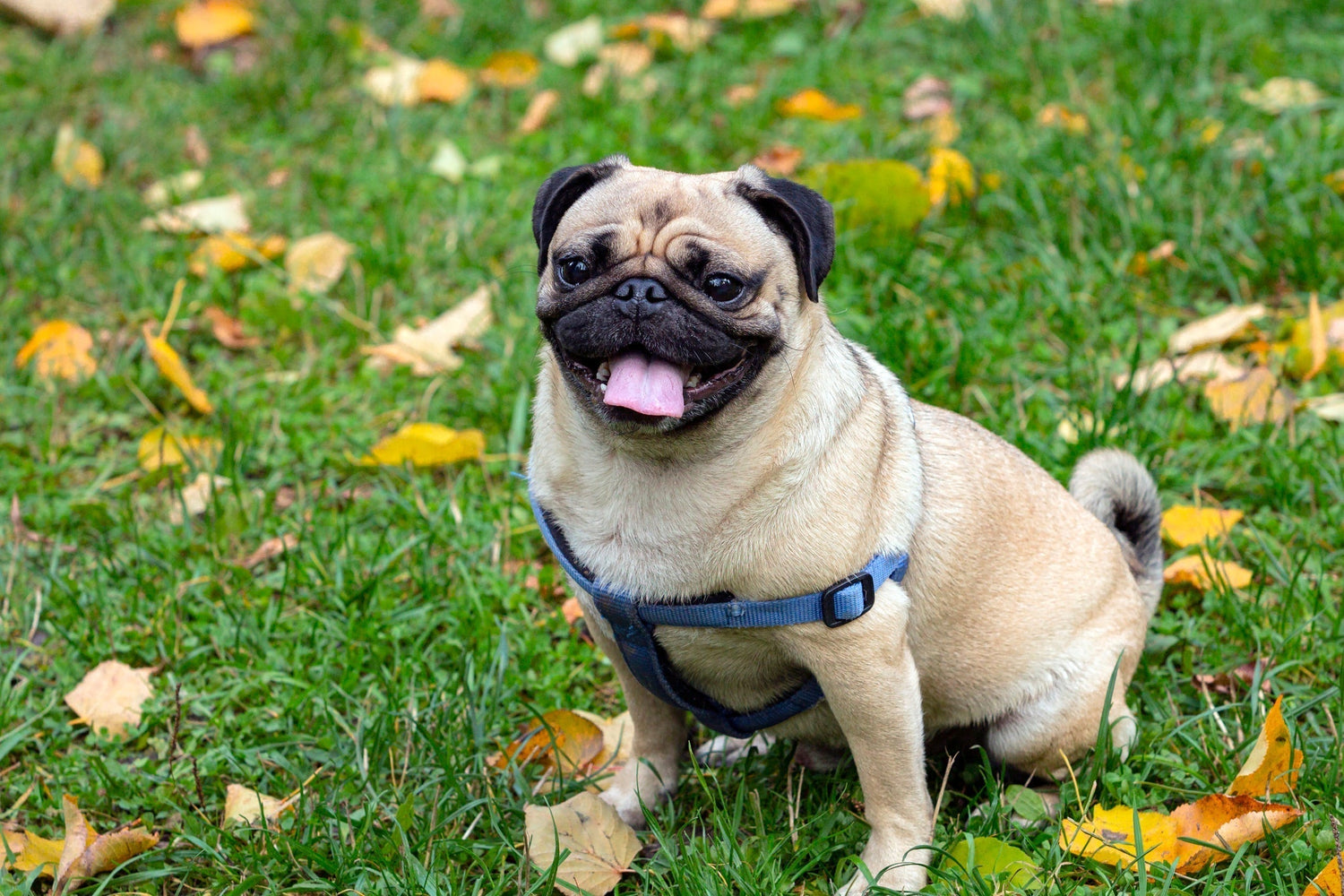
Chewed shoes, shredded cushions, and scratched doors are frustrating, but they are not proof that a dog is being “bad.” Destructive behavior can have several causes, including boredom, insufficient exercise, teething, attention-seeking, or distress when left alone. The right response starts with understanding the pattern rather than assuming one toy will solve every problem.
Dog enrichment toys for bored dogs can provide an appropriate outlet for chasing, chewing, tugging, sniffing, and problem-solving. They work best as one part of a routine that also includes walks, training, social time, rest, and veterinary or behavioral support when needed.
Is It Boredom or Separation Anxiety?
Bored dogs may become restless, seek attention, raid household objects, or invent their own games. Separation anxiety is different. According to the ASPCA, destruction near doors or windows, persistent barking, drooling, escape attempts, or distress that begins soon after a guardian leaves can signal separation-related anxiety.
If destructive behavior appears suddenly, causes injury, or happens alongside panic, loss of appetite, or house-soiling, speak with a veterinarian or qualified behavior professional. Enrichment can support a treatment plan, but it should not be presented as a cure.
What Makes an Enrichment Toy Useful?
It matches the dog’s play style
Some dogs love to chase. Others prefer to tug, carry, chew, or search for food. A toy is more likely to hold attention when its movement and texture fit the behavior the dog already enjoys.
It creates interaction
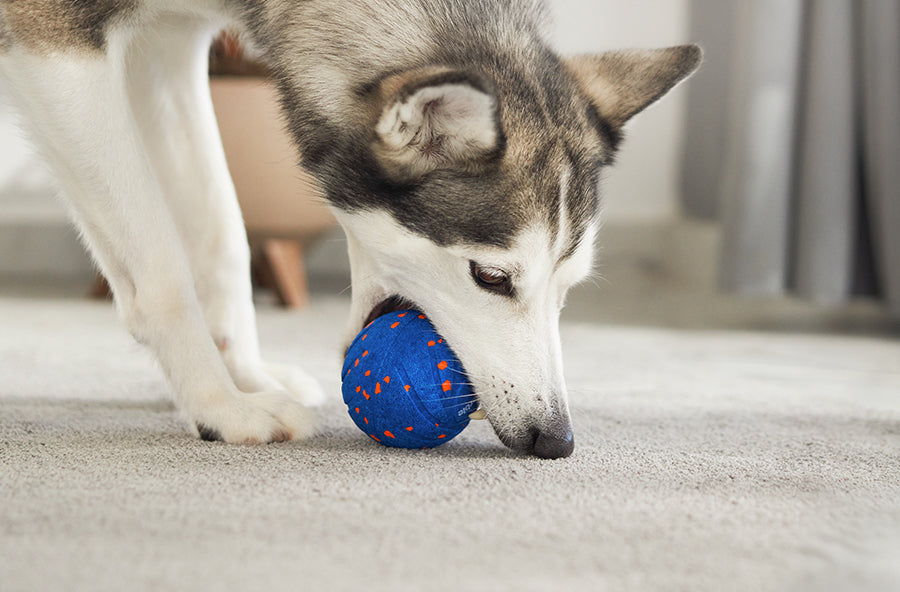
A responsive toy changes after the dog touches it. That feedback can make play more engaging than a toy that stays still, especially for dogs that enjoy tracking and chasing movement.
It fits the dog’s size and chewing habits
No toy is appropriate for every dog. Choose a size that cannot be swallowed, inspect it before each session, and stop using it if the shell, rope, or other parts become damaged. Dogs that destroy toys quickly need closer supervision and may need a different material or play format.

Choosing a Toy for Different Types of Play
For dogs that chase and pounce
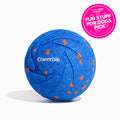
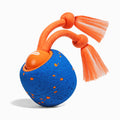
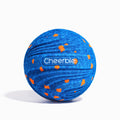
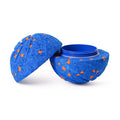
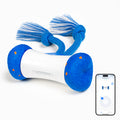
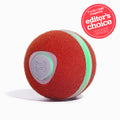
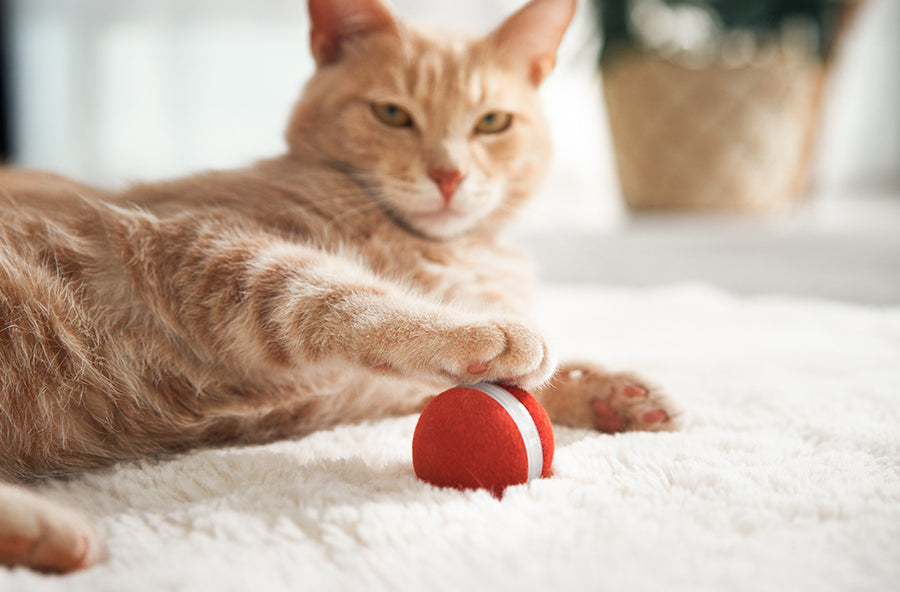
The Wicked Ball Air uses movement to encourage chase-style play. Its three official modes are Gentle, Normal, and Passive. Start with a lower-intensity option, observe how your dog responds, and change modes based on the space and the dog’s comfort.

For dogs that prefer tugging
A rope-based toy can provide a more suitable outlet for dogs that like to grab, pull, and shake. Supervised tug games also give owners a chance to practice cues such as “take it,” “drop,” and “wait.”
For dogs motivated by food
Food puzzles and stuffed toys turn part of a daily meal into a search task. The ASPCA recommends food-based enrichment as one way to add mental activity. Count the food used in the toy as part of the dog’s daily intake.
Build a Routine That Protects Your Home
- Meet physical needs first. Give the dog an age-appropriate walk or active play session.
- Add a short supervised enrichment session. Introduce the toy while you can observe body language and play style.
- Rotate toys. Keep several formats available and change them instead of leaving everything out all the time.
- Reward the right choice. Praise the dog for engaging with the toy and redirect calmly from household objects.
- Protect tempting items. Put shoes, cables, food, and fragile objects out of reach while new habits develop.
How Long Should a Play Session Last?
Session length depends on age, fitness, health, and arousal level. Several short sessions are often easier to manage than one long, intense session. Wicked Ball Air uses a 10-minute play and 30-minute rest cycle, but owners should still supervise play and stop sooner if the dog becomes frustrated, overly excited, or starts trying to break the toy.
When Enrichment Is Not Enough
Enrichment is a management tool, not a diagnosis. Contact a veterinarian or qualified behavior professional if your dog injures itself, destroys exit points, cannot settle, or shows severe distress when alone. A safe plan may combine behavior modification, environmental changes, exercise, and medical support.
A Better Goal Than “Tiring the Dog Out”
The goal is not endless stimulation. A good routine gives a dog appropriate ways to move, think, and interact, followed by enough time to rest. Choose toys that fit the individual dog, supervise their use, and adjust the routine based on what you observe. That approach is more reliable than expecting one product to end every unwanted behavior.


Leave a comment
All comments are moderated before being published.
This site is protected by hCaptcha and the hCaptcha Privacy Policy and Terms of Service apply.