













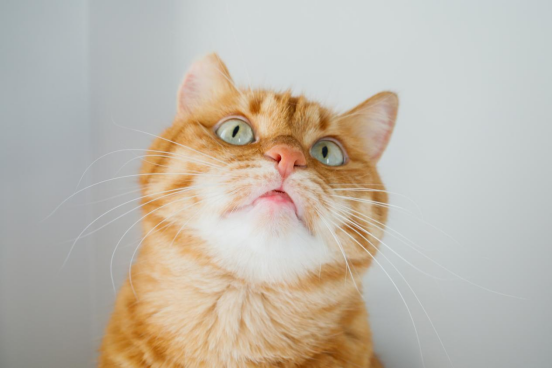
Orange tabby cats have orange coats with tabby markings; they are not a separate breed. Their color has a genetic explanation. The idea that they share “one brain cell” belongs to internet humor, not a scientific description of their intelligence.
Your ginger cat might be a fearless explorer or a quiet companion. Here are ten things to know about the coat, the reputation, and the individual cat behind both.

1. Orange describes a color, not a breed
An orange cat can have short or long hair and come from different breed backgrounds. “Orange tabby” tells you about appearance, but it does not identify a pedigree. Two ginger cats can look alike while having very different family histories.
2. Tabby describes markings
Tabby markings can appear as stripes, swirls, spots, or subtler patterns. Look closely at the face, legs, and tail, where markings may be easier to see. A coat description is useful for identifying a cat, but it is not a personality test.
3. The forehead M is a coat marking
Many tabbies have markings that resemble an M above their eyes. It is a familiar feature of tabby coats, not proof that a cat belongs to one breed. Stories about its meaning can be fun; keep folklore separate from explanations of inheritance.

4. Orange coat genetics help explain the male bias
The orange-associated variant is on the X chromosome. Typically, males have one X chromosome, while females have two. A female generally needs the orange variant on both X chromosomes to have an orange coat rather than a mixture of orange and non-orange areas. This helps explain why orange cats are more often male. Female orange cats are entirely real.
5. Researchers identified a key orange-coat mutation in 2025
Research reported by Stanford Medicine identified a small DNA deletion that changes the activity of ARHGAP36 in pigment cells. It helps explain the orange color. The research does not establish that the mutation makes cats silly, unusually affectionate, or constantly hungry.
6. “One brain cell” is a joke
A cat missing a jump can make an excellent video. It cannot tell us how an entire coat-color group thinks. Enjoy the joke without treating it as a care instruction, and avoid interpreting a new change in coordination or behavior as “just an orange cat thing.”
7. Personality needs an individual introduction
Meet the cat, watch their choices, and ask their caregiver about daily routines. Do they approach visitors, hide from sudden noises, or prefer sitting nearby to being held? Those observations are more useful for living together than expecting a ginger coat to come with a fixed temperament.
8. Play should suit the cat in front of you
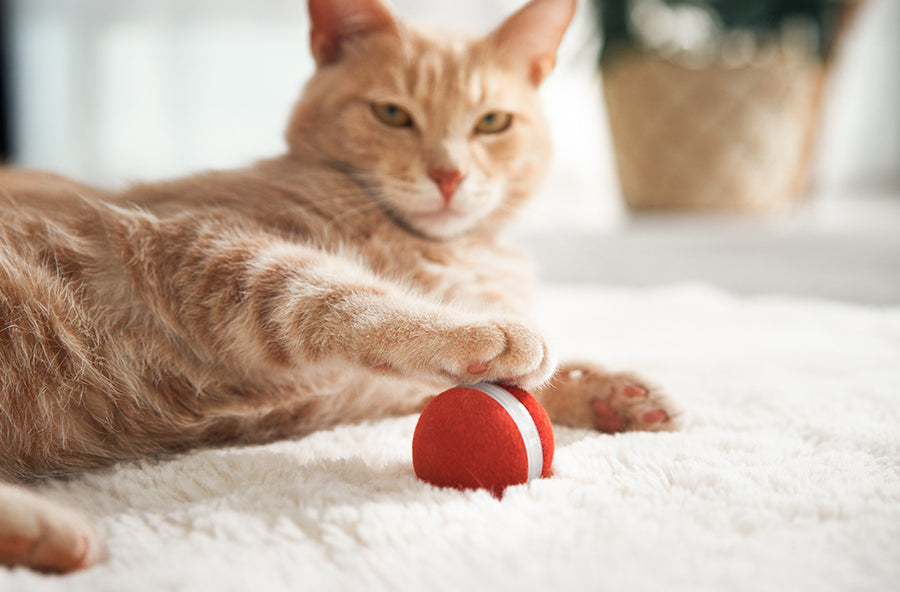
Offer opportunities to chase, explore, and rest. Cats Protection's play guidance recommends short play sessions and toys that let cats express hunting behavior. Supervise string and wand toys, and put them away afterward.
If your cat enjoys chasing moving objects, explore our interactive cat toys as one option alongside play with you. Introduce unfamiliar toys gradually and let your cat decide whether to engage.

9. Coat color is not a feeding plan
Choose portions around your cat's food, life stage, body condition, and veterinary advice. A cartoon's appetite is not evidence that orange cats require special feeding rules. If you use a feeder, check the actual amount dispensed rather than assuming automation makes the portion right.
10. Color is not a health diagnosis
A photo of a dark spot or a change in appetite cannot establish its cause. Ask your veterinarian about new or changing skin marks and other health concerns instead of assuming they are harmless features of an orange cat. For a separate look at population research, see our guide to cat lifespan and care factors.
The orange coat is what you notice first. Living together is how you learn everything else: their favorite hiding place, the toy they keep returning to, and whether your lap is available on their terms.




Leave a comment
All comments are moderated before being published.
This site is protected by hCaptcha and the hCaptcha Privacy Policy and Terms of Service apply.