

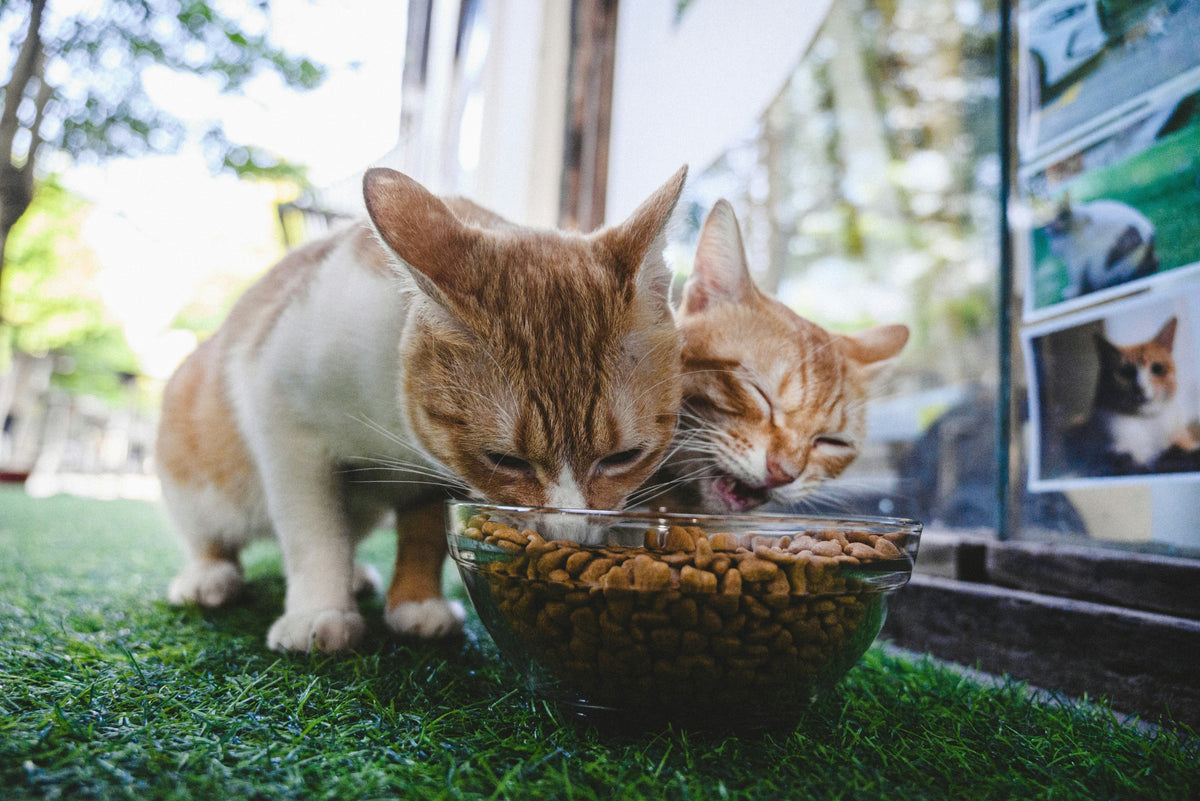
Feeding time should feel calm, predictable, and safe for your cat. Yet in a multi-pet household, especially one where cats and dogs share space, mealtime often turns into a quiet competition. Many pet owners assume that as long as everyone eventually gets food, the arrangement works.
Veterinary behaviorists and feline nutrition experts, however, often see the opposite. Shared feeding environments can contribute to stress, over-eating, food stealing, and even long-term behavioral tension between pets.
Understanding why separate feeding matters is the first step to healthier feeding routines for every pet. It is not simply a logistical convenience. It addresses both natural instincts and nutritional needs, helping to maintain long-term pet health and behavioral stability.
Cats Need Predictability to Feel Secure During Meals
Cats thrive when they can eat in peace. Their natural feeding pattern involves small, frequent meals throughout the day. Most cats prefer to graze several times rather than consume one large portion at once.
In a multi-cat family, this instinct often conflicts with the shared-bowl setup many owners choose at first. Even subtle disruptions can affect a cat’s appetite. If another cat hovers nearby, a timid cat may rush through its meal or leave food unfinished. When a dog passes through the feeding area, some cats stop eating altogether.
Over time, these interruptions lead to inconsistent nutrient intake. This can impact weight, digestion, and conditions such as kidney health, depending on stable and consistent diet routines.
Veterinarians often point to the feeding environment as an overlooked factor. It is one reason cat medical diets may fail to deliver expected results. Even the best feeder, carefully selected cat food, or thoughtfully prepared homemade meals cannot offset a stressful feeding setup.
A calm and predictable eating environment remains essential for maintaining long-term pet health.

Food Stealing Has Real Consequences
In multi-pet households, food stealing rarely resolves itself. Cats may rush to another bowl because they perceive resources as limited. Dogs, with their natural curiosity and opportunistic eating habits, may investigate every feeding station. Some cats overeat because they feel pressured to finish before another pet arrives.
These behaviors carry real health consequences. A cat that steals food from a roommate on a kidney-care diet can undermine the treatment plan. This may worsen existing health conditions over time. Dogs consuming cat food may experience digestive upset due to higher protein and fat content.
Separate feeding protects each pet’s nutritional needs. It also helps prevent the cycle of over-eating and under-eating that is common in multi-pet households. Additionally, it reduces mealtime anxiety, which can contribute to healthier eating patterns and more relaxed behavior throughout the day.
Dominance Dynamics Can Make Shared Feeding Unfair
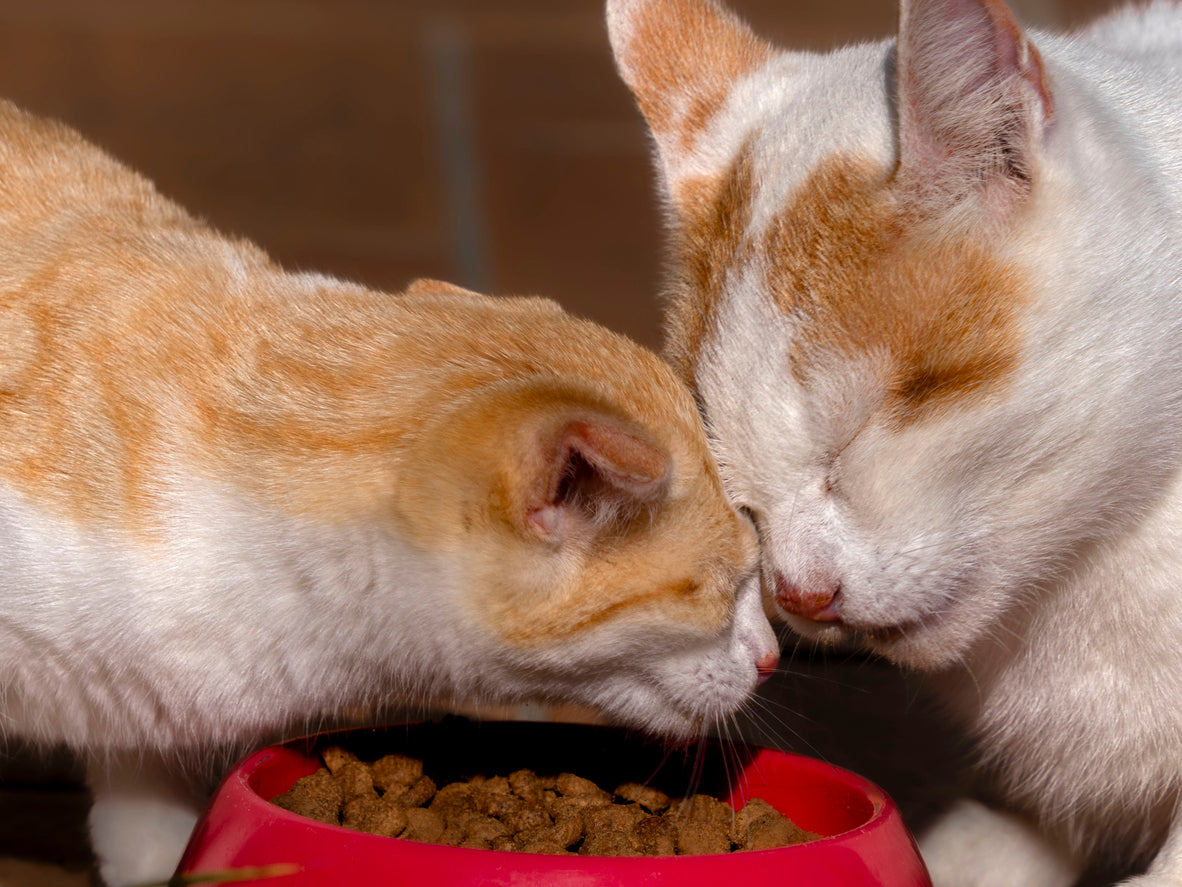
Even in peaceful households, competition over food is instinctive. Cats rely on subtle body language to claim resources. A confident cat often does not need to fight. Simply standing nearby or watching the bowl can be enough to stop a timid cat from approaching.
This type of micro-aggression often goes unnoticed. A dominant cat may allow occasional access to food, but the inconsistency itself creates stress. A cat that has to scan the room before eating does not feel secure.
Over time, this low-level anxiety can affect digestion, appetite, and behavior. Separate feeding areas remove these pressures and allow every cat to eat in a stable, predictable routine.
A Calm Feeding Environment Supports Better Health
Cats that eat in peace digest food more efficiently, overeat less, and maintain stable behavior. Without competing for resources, cats return to natural feeding habits, supporting weight management and overall pet health. Multi-pet households often report noticeable reductions in tension when feeding stations are separated. Cats display more relaxed body language, and dogs stop obsessing over the cat’s bowl.
Separate feeding is not merely a logistical adjustment. It is foundational to a harmonious, secure multi-pet family environment.
Some Cats Require Medical Diets or Strict Portions
Cats with kidney disease, urinary issues, obesity, or allergies often require precise diets. Shared feeding setups make controlling intake nearly impossible. Other pets may access specialized food, or the cat needing treatment may be intimidated. Even microchip or collar feeders can fail if the feeding area is crowded or another pet attempts early access.
Separate feeding spaces allow cats on medical diets to eat exactly what they need. Owners can more easily monitor intake and notice if a cat eats too little or more than intended. Over time, this supports long-term health, maintains weight, and reduces stress around mealtime.
Cat-Dog Households Present Unique Challenges
Feeding cats and dogs together adds another layer of complexity to mealtime. Dogs tend to eat quickly and confidently, which can intimidate a cat even when the dog is not aggressive.
Many cat owners describe the same pattern: a dog hears kibble hit the bowl and wanders over out of curiosity. The cat freezes, hesitates, or leaves the area entirely. In these situations, separate feeding becomes essential.It reduces stress and protects each pet’s nutritional safety.
Cat and dog foods are formulated very differently. A cat that regularly eats dog food may miss essential nutrients such as taurine. A dog that eats cat food may experience digestive issues due to its higher protein and fat content.
Keeping feeding areas distinct helps ensure that each animal receives the right diet for its species and health needs.

How to Introduce Separate Feeding
For multi-cat family
Start by choosing quiet areas where each cat feels safe and comfortable. Whenever possible, feed cats in different rooms. If space is limited, use separate spots within the same room.
Vertical spaces can also help. Shelves, counters, or cat trees allow some cats to eat where they feel more secure.
Begin with short, supervised feeding sessions. Let each cat eat without interruptions, then gradually turn these locations into a daily routine. Over time, every cat learns where and when it can eat.
For cat and dog households
Introducing separate feeding in cat–dog homes requires extra care. Dogs often eat faster and may intimidate cats, even without aggressive behavior.
Use doors, baby gates, or separate rooms to create clear feeding zones. Feed cats in elevated or enclosed spaces that dogs cannot reach, and keep dogs away during cat feeding times.
Microchip-based feeders or smart cat feeders can add another layer of protection. These tools help cats eat safely while preventing dogs from accessing cat food.
The goal is straightforward: each pet should eat without fear of interruption or pressure. As this routine becomes established, you will notice improvements in appetite, behavior, and household harmony.

Creating a Home Where Every Pet Feels Safe to Eat
At its core, every pet deserves calm, predictable, uninterrupted mealtimes. For multi-pet families, separate feeding reduces stress, builds trust, and ensures each pet meets its nutritional needs. Whether on a medical diet, managing weight, or preferring a quieter corner. Peaceful mealtimes create balance, letting pets thrive both physically and emotionally.
Separate feeding isn’t about keeping animals apart. It’s about giving each of them the confidence and comfort they need to stay healthy. When mealtime becomes peaceful the entire home feels more balanced and your pets show you what they were missing all along.
The Ultimate Multi-Pet Feeding Solution: Cheerble Match G1
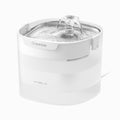
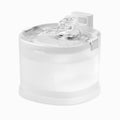
Managing a multi-pet household no longer has to be a struggle. Cheerble Match G1 is the definitive feeding solution for modern multi-pet families. Whether you have multiple cats or a mix of cats and dogs, the Match G1 provides total control.
It uses advanced Naked Recognition to identify each specific cat with high precision. The system ensures the bowl only opens for the correct pet. It effectively blocks "food thieves" from interfering with the meal. This guarantees that every cat eats their intended food without stress.
By choosing the Match G1, you are investing in the health and harmony of your entire home. It is time to embrace a smarter way to feed and provide your pets with the individualized care they deserve.


Leave a comment
All comments are moderated before being published.
This site is protected by hCaptcha and the hCaptcha Privacy Policy and Terms of Service apply.