



Quick Answer: Plastic bowls scratch easily, and those micro-scratches trap bacteria that vets link to feline chin acne. Stainless steel resists this because its surface stays smooth at a microscopic level. Switching materials is usually the first fix vets suggest, and the same logic applies when you pick a cat fountain.
Your cat's chin has black dots that won't come off no matter how many times you wipe them. You assume it's dirt, maybe crumbs from the kitchen counter. It isn't.
Most owners blame bad grooming habits. Vets see something more specific. The same pattern shows up again and again in cats who eat and drink from plastic dishes, and the connection has more to do with surface chemistry than cleanliness.
Understanding why plastic behaves this way changes how you think about every dish in the house, including the one that holds your cat's water.
Why Chins Break Out Near Plastic Dishes
What Chin Acne Actually Looks Like
VCA Animal Hospitals describes the earliest sign as a chin that looks dirty even right after a bath. Look closer and you'll usually find blackheads clustered along the jawline. In more advanced cases, the lower lip and upper lip swell, and the follicles become visibly infected.
Cats groom constantly, so owners often rule out hygiene as the cause. That's exactly why the diagnosis gets missed for months. It also tends to hit adult cats more than kittens, since the follicles that clog up sit near oil glands that become more active with age.
Why Plastic Keeps Showing Up in the Same Cases
VCA is careful not to overstate the science here. It calls the plastic connection an association, not a proven cause, and notes that stress, allergies, and grooming habits may also play a role. Still, the pattern is consistent enough that switching dish material is one of the first things vets try before reaching for medication.
Owners who keep a shared household of a plastic-fed cat and a stainless-fed cat often report the difference directly. One chin stays clear, the other doesn't, with nothing else in the routine changed. That kind of side-by-side comparison is anecdotal, not a clinical trial, but it lines up with what the association data already suggests.

The Mechanism Behind the Breakouts
How Plastic Turns Into a Bacteria Trap
PetMD points out that recent research ties plastic containers to bacterial buildup caused by irregular surfaces, not an allergy to the material itself. Every wash cycle leaves behind microscopic scratches. Food residue and oils settle into those grooves, and normal dish soap can't fully reach them.
Sitting against a surface like that for several minutes a day, morning and night, is enough to keep reintroducing bacteria to skin that's already prone to clogged follicles. A dishwasher cycle doesn't fully solve it either, since the heat that helps sanitize stainless steel can warp plastic just enough to open new grooves rather than close them.
That's also why a plastic bowl can smell faintly "off" even minutes after washing, while a stainless one doesn't. The odor is trapped residue the wash never reached, not a sign you scrubbed poorly.
Why Stainless Steel Behaves Differently
Food-grade stainless steel doesn't scratch the same way plastic does under normal use. Without deep grooves to hide in, bacteria have far less surface area to colonize between washes. That's the specific reason vets recommend stainless steel over "any non-plastic option," rather than glass or ceramic being automatically safer by default.
It's the same grade of steel used in surgical instruments and commercial kitchen equipment, chosen there for the exact same reason: it stays smooth after years of daily scrubbing instead of degrading after a few weeks. Ceramic sits somewhere in the middle. A glazed ceramic bowl behaves a lot like stainless steel, until the glaze chips, at which point the exposed underlayer is often more porous than plastic ever was.
How to Tell If Your Cat's Dishes Are the Problem
Checking Your Cat's Chin
Gently tilt your cat's head back and look along the jawline and lower lip for small black dots or firm bumps. Run a finger lightly over the area. Any swelling, hair loss, or crusting means it's time for a vet visit rather than a wait-and-see approach.
Make this a monthly habit, not a one-time check. Chin acne comes and goes. Catching it early keeps a mild case from turning into something that needs antibiotics.
The Cornell Feline Health Center notes that severe, deep-seated lesions need veterinary monitoring even after visible symptoms clear, since surface healing can happen well before the infection actually resolves underneath.
Checking Your Bowl and Your Fountain
Flip the dish over. Genuine food-grade stainless steel is usually stamped 18/8 or 304 somewhere on the base. If a bowl just says "stainless" with no grade marking, treat it with the same caution as plastic.
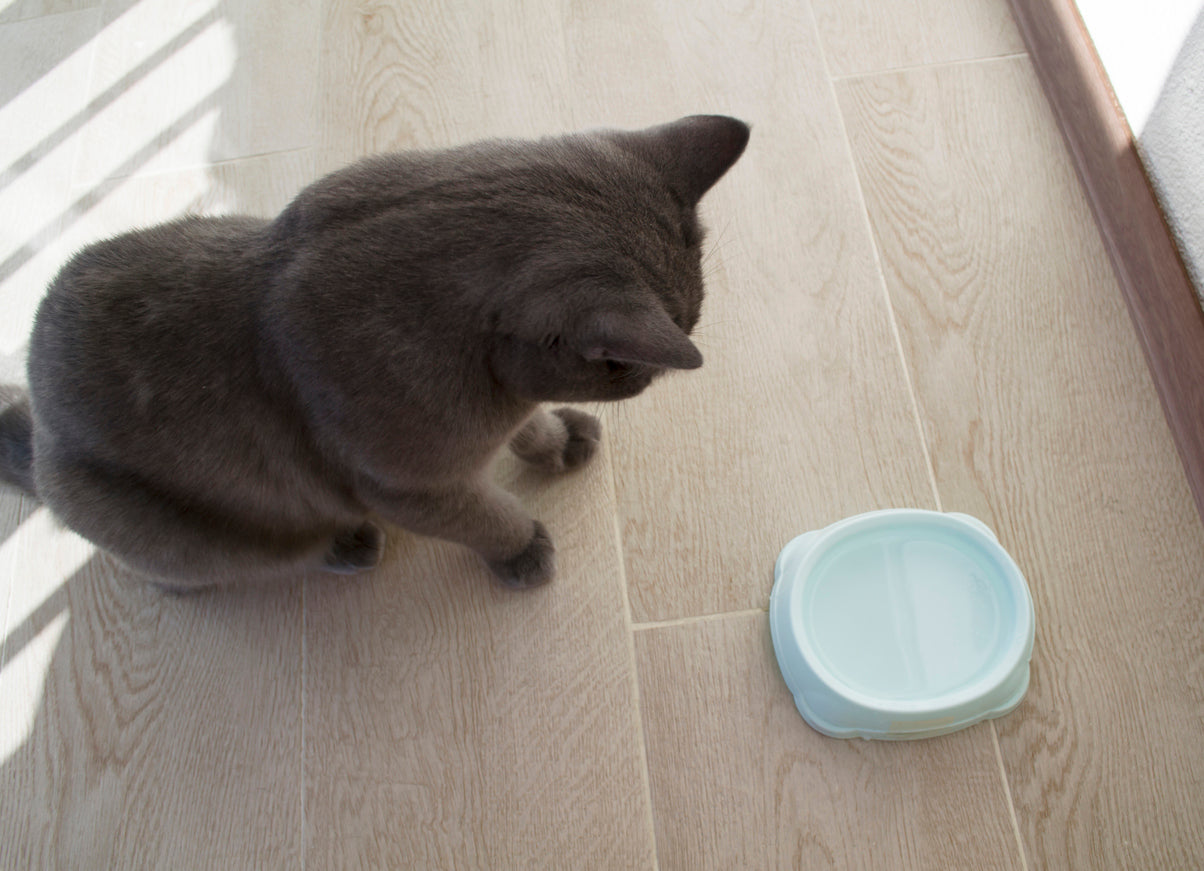
Plastic dishes are worth retiring the moment they look cloudy or feel rough to the touch, even if there's no visible crack. Hold an older plastic bowl up to the light and the scratch pattern is usually obvious once you know to look for it.
The same check applies to fountains, and it's arguably more important there. Many pump-driven models hide plastic reservoirs, impeller housings, and pump chambers that are just as prone to scratching as a bowl, but far harder to inspect since most of that surface sits out of view.

What Actually Fixes It
Switch the Bowl First
Replacing a scratched plastic bowl with food-grade stainless steel or glass, combined with daily washing rather than a quick rinse, resolves most mild chin acne cases within a few weeks. Washing matters as much as the material switch. Sebum and dirt still build up near the chin regardless of what the cat eats from.
One small myth worth clearing up: steel wool and abrasive scrubbers can scratch stainless steel too, just far more slowly than plastic wears down. A soft sponge and regular dish soap are enough, and they keep the surface behaving the way it's supposed to for years instead of months.
Apply the Same Logic to the Water Bowl
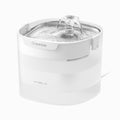
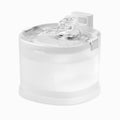
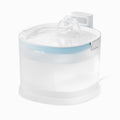
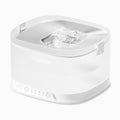
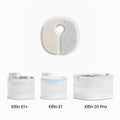
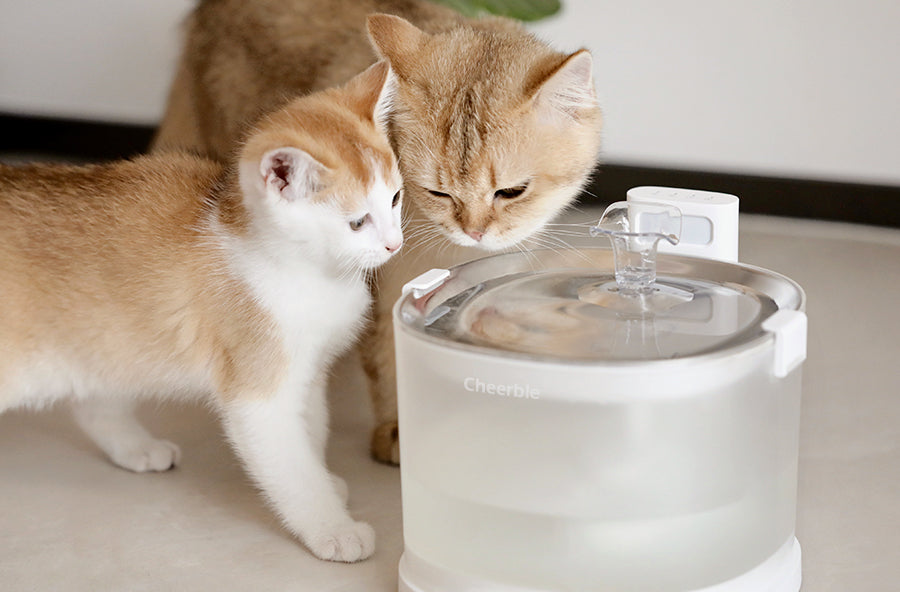
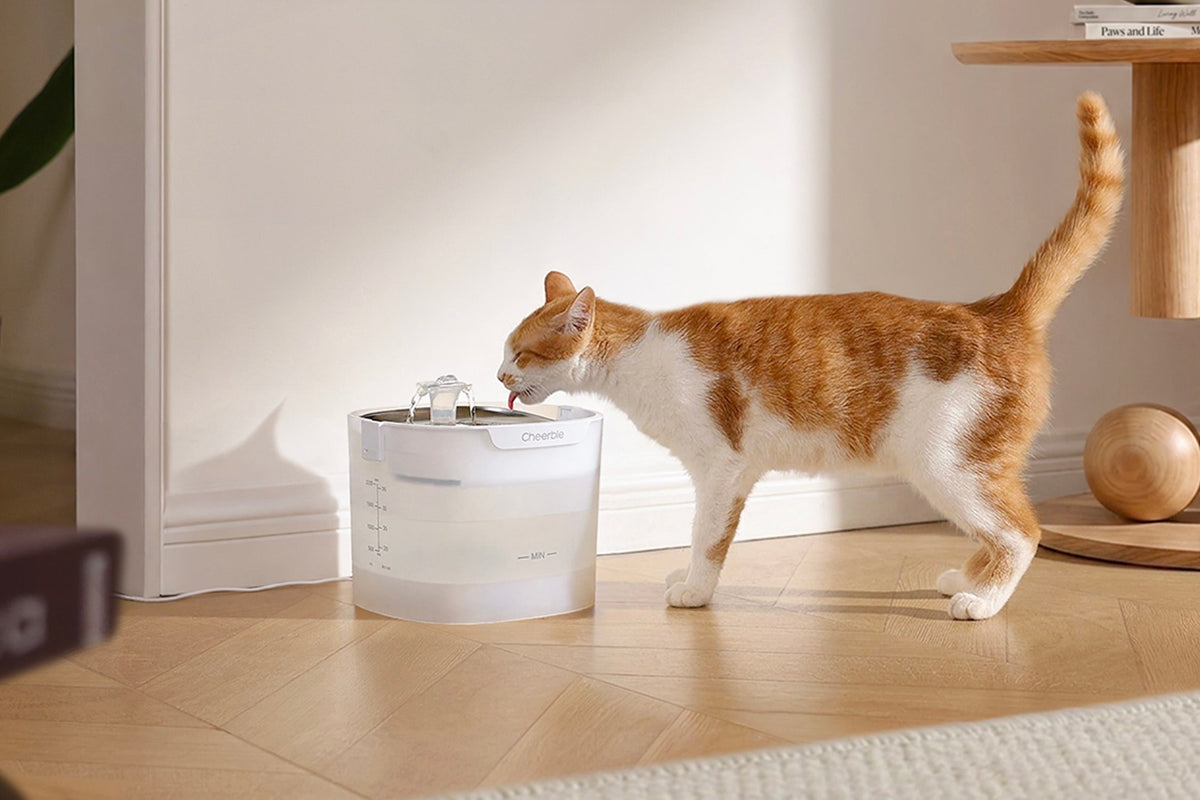
The water dish deserves the same scrutiny, arguably more, since a cat's chin rests against it for longer stretches while drinking. This is where the Pet Fountain Elfin E1+ fits into the picture. It uses a stainless steel water tray instead of a plastic one, which keeps the surface your cat's chin actually touches free of the scratches that plastic develops over time.
It also skips the internal pump, relying on magnetic drive instead. That matters here for a reason beyond noise or battery life: a traditional pump means an extra plastic impeller housing sitting in standing water around the clock, which is exactly the kind of hidden surface that's hard to scrub and easy to overlook during weekly cleaning.
If you want a deeper breakdown of how stainless steel, plastic, and ceramic fountains compare on hygiene and long-term maintenance, Choosing the Right Material for Your Cat's Water Fountain covers that side of the decision in more detail.
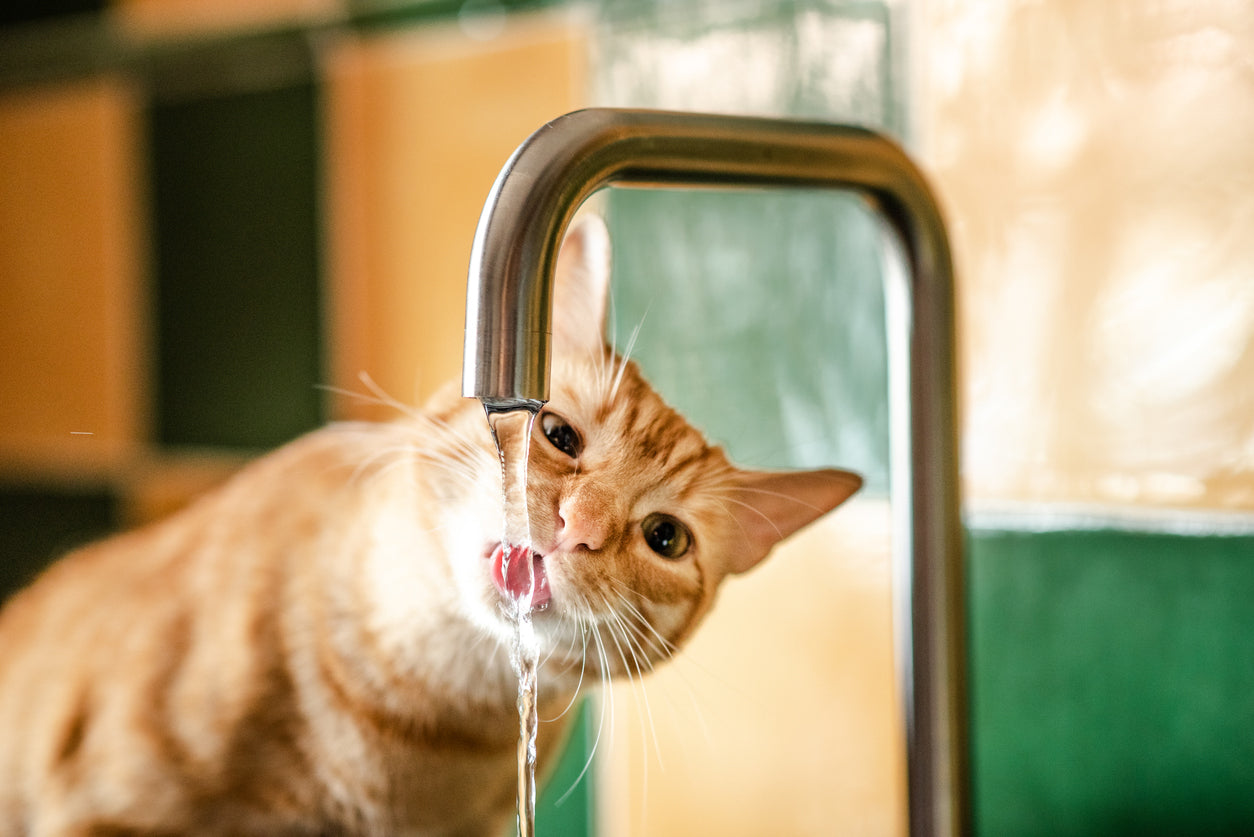
None of this means a plastic fountain will definitely cause a breakout. Plenty of cats use one for years without issue. It just means material is one more variable worth ruling out before assuming the cause is something harder to fix, like diet or stress.
The Bottom Line
Chin acne is rarely about a cat being messy. It's usually about a dish surface that holds onto bacteria no matter how often you wash it. Checking for that 18/8 or 304 stamp takes ten seconds and tells you more than any grooming routine will. Once the bowl and the water dish are both handled, most cats never develop the problem again.
Related reads:

Leave a comment
All comments are moderated before being published.
This site is protected by hCaptcha and the hCaptcha Privacy Policy and Terms of Service apply.