










In modern veterinary medicine, a cat’s eating behavior is increasingly recognized as a vital sign, standing alongside heart rate, respiration, and body temperature.
Because cats are creatures of extreme habit, their daily routine is a precise blueprint of their internal health. Monitoring these habits is not just about tracking nutrition. It is about maintaining a real-time window into your cat’s well-being.
The Language of the Bowl: Why Behavior Matters
A cat’s survival in the wild depends on their ability to hide any sign of vulnerability. This evolutionary instinct remains a core part of the domestic cat’s psychology today. Because they are masters of masking pain, owners cannot wait for obvious symptoms like lethargy or crying. Instead, we must look for shifts in their most rigid daily habit: eating.
Establishing the Behavioral Baseline
To protect your cat, you must first understand their behavioral baseline. This is the unique set of habits that define "normal" for your specific pet. While some cats are meal eaters that finish a bowl in minutes, others are lifelong grazers that visit the dish a dozen times a day. Neither pattern is inherently wrong, but a sudden flip from one to the other is a major red flag. You cannot identify a health crisis until you are intimately familiar with the patterns of a healthy day.
The Subtle Art of Feline Masking
Feline masking means that a cat might still show up for dinner even when they are experiencing significant discomfort. However, while the appetite might persist, the interaction with the food will change. These microscopic shifts in eating speed, posture, or frequency are the earliest warning signs for chronic conditions such as kidney disease or dental decay. Catching these "silent" signals allows for early intervention, which is always more effective and less traumatic than emergency medical care.

Red Flags in Feeding Frequency and Speed
The most obvious data points are how often and how fast a cat eats. Any sudden deviation in these two areas should be treated as a clinical clue.
The Sudden Grazer vs the Speed Eater
If a cat that usually finishes their meal quickly suddenly starts leaving food behind or taking many small breaks, this is a red flag. This behavior often points to oral pain or dental disease. The cat wants to eat, but the act of chewing has become uncomfortable.
On the other hand, a sudden increase in eating speed or a frantic appetite can be a sign of hyperthyroidism or metabolic imbalances.
Hesitation at the Dish
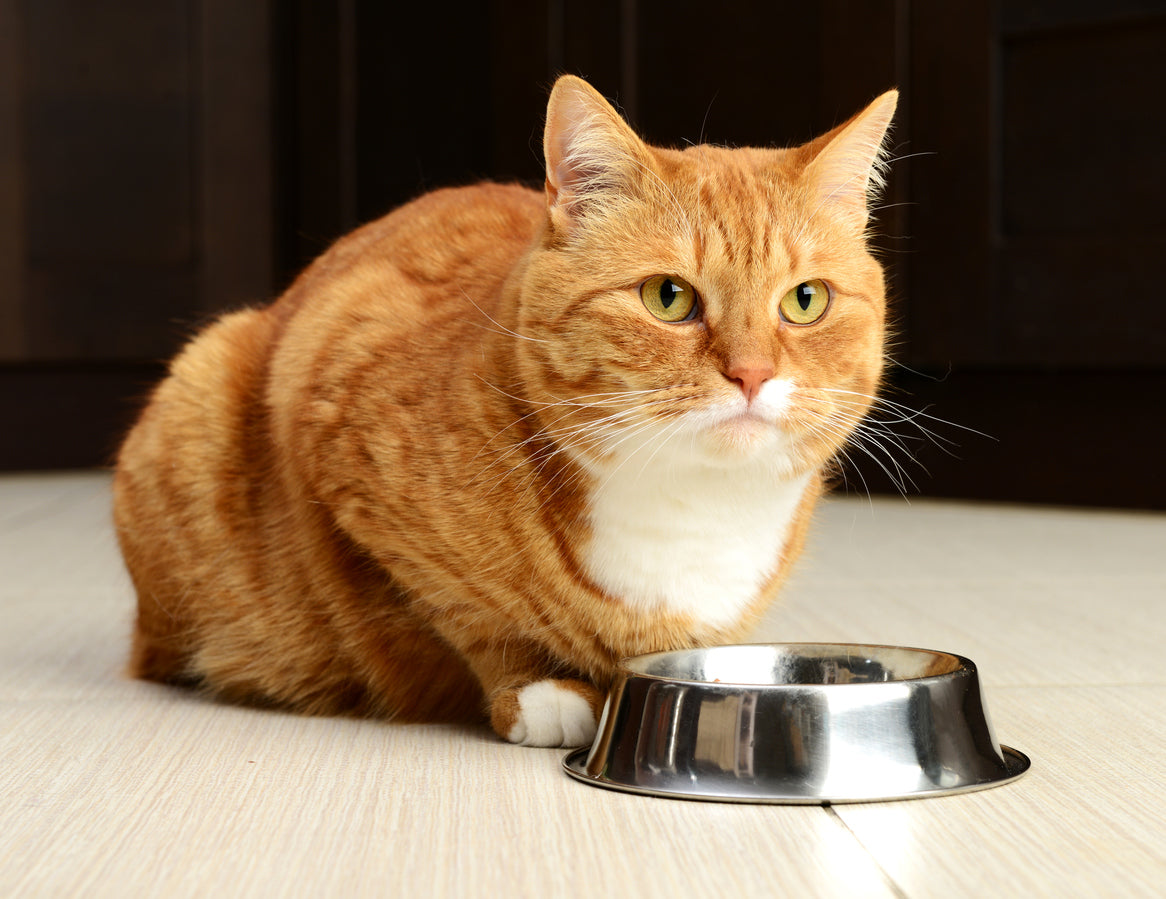
Watch for a cat that approaches the bowl with interest but then hesitates or walks away without biting. This behavior is frequently linked to nausea or gastrointestinal discomfort. The cat feels the urge to eat, but the scent of the food triggers a feeling of illness. Observing this hesitation early can help you catch digestive issues before they lead to weight loss or dehydration.
Posture and Environment: The Psychology of Eating
Physical health is only one part of the puzzle. The way a cat positions their body during a meal tells you a great deal about their psychological well-being and the stress levels in your home.
The Lookout Eater and Signs of Stress
In multi-cat households, mealtime can be a source of significant anxiety. If you notice your cat frequently looking over their shoulder or pausing to scan the room while eating, they are in lookout mode. This suggests they do not feel safe in their environment. Chronic stress from resource competition can lead to behavioral issues like over-grooming or territorial marking.
Whisker Fatigue and Ergonomic Struggles
If a cat is pawing food out of the bowl onto the floor, they might be experiencing whisker fatigue. This happens when a bowl is too narrow or deep, causing their sensitive whiskers to touch the sides constantly. This is a minor physical discomfort that leads to a major decrease in appetite. Ensuring an ergonomic feeding setup is a simple way to improve your cat's daily comfort and long term health.
How to Establish a Behavioral Monitoring Routine
Monitoring behavior does not have to be a full time job. It is about creating a structured way to observe your pet’s natural habits without causing them stress.
Creating Your Cat’s Normal Profile
Start by taking notes for one week. Record the times your cat typically eats and how they act when you put the food down. Do they meow with excitement? Do they wait for you to leave the room? Establishing this profile of normalcy gives you a standard to compare against when you suspect something might be wrong.
The Weekend Observation Technique
Use your time at home to perform closer inspections. Watch for physical signs like tilting the head to one side while chewing or dropping pieces of kibble. These are specific indicators of periodontal problems.
By making this a regular habit, you become an expert on your cat's individual needs.
Bridging the Gap with Cheerble Match G1
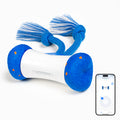
In a busy home, especially one with multiple cats, manual observation has significant limits. It is nearly impossible to know exactly which cat visited the bowl at 3 AM or how long they stayed there while you are at work. This is where the Cheerble Match G1 provides the missing link.
Solving the Identity Crisis with Face ID
In a multi-cat home, individual behavior tracking is often a guessing game. The Cheerble Match G1 solves this identity crisis by using advanced Face ID technology to ensure every interaction is logged to the correct individual.
Because the system recognizes each cat’s unique facial features, you can be certain that a sudden drop in feeding frequency belongs to the right pet. This level of precision is essential for building a reliable health record that your veterinarian can actually use for diagnosis.
Consistency Through Automated Scheduling
The Match G1 also allows you to maintain a scheduled feeding routine that remains constant even when your personal schedule changes. Consistency is the foundation of a cat’s mental and physical health.
This stability makes it much easier to spot a true behavioral shift because you have eliminated the "noise" of a changing human schedule. With Match G1, you are not just feeding your cats. You are creating a controlled environment where their health can truly be monitored and protected.

Conclusion: The Power of Informed Intuition
Choosing to focus on the details of your cat's eating behavior is a sign of a deeply committed pet parent. It moves you from a state of guessing to a state of informed action. Technology like the Match G1 is not a replacement for your love and intuition. Instead, it is a tool that enhances your ability to care.
When you combine your natural bond with objective observations, you become a powerful advocate for your cat. You are no longer waiting for them to show you they are sick. You are listening to what they are already telling you through their actions at the bowl. In the end, paying attention to the small things is the best way to ensure a long and healthy life for your companion.
Disclaimer: The information provided in this article is for educational and informational purposes only and is not intended as a substitute for professional veterinary advice, diagnosis, or treatment. Always seek the advice of your veterinarian or other qualified pet health provider with any questions you may have regarding your cat's medical condition or dietary needs. Never disregard professional medical advice or delay in seeking it because of something you have read on this website.


Leave a comment
All comments are moderated before being published.
This site is protected by hCaptcha and the hCaptcha Privacy Policy and Terms of Service apply.