















There is no single lifespan that applies to every cat. A 2024 UK study estimated life expectancy at birth at 11.7 years overall, with estimates of 12.5 years for females and 11.2 years for males. These are population estimates, not an expiry date for your cat.
Your own cat’s health and needs should guide care.
What does cat life expectancy mean?
The VetCompass study examined 7,936 confirmed deaths among cats under UK primary veterinary care during 2019, with deaths identified from January 2019 through March 2021. Life expectancy at birth is different from average age at death or the remaining years expected for an older cat.
You cannot subtract your cat's age from 11.7 to calculate how long they have left. Cats surviving to an older age are a different group from newborn kittens, and the study's UK estimates should not be treated as universal figures for every country.
Do female cats live longer than male cats?
Females had a higher estimated life expectancy at birth in this study. That is a group-level finding, not a promise that a particular female will outlive a particular male. The research also found associations involving neuter status, breed status, and body weight; these do not provide a simple formula for adding years to an individual life.
Indoor and outdoor life: focus on the actual environment
Indoor and outdoor cats do not each have a fixed lifespan. Where a cat lives, the hazards they encounter, and their access to care vary. Focus on the risks and needs in your own cat’s environment.
Review escape routes, outdoor access, interactions with other animals, and your preventive-care plan with your veterinarian. At home, think about places to hide, accessible resources, and opportunities to play. A comfortable indoor routine needs more than simply keeping the door closed.

Breed is context, not a countdown
A breed label cannot tell you how many birthdays your cat will have. Ask about the individual cat's medical history and any relevant screening, especially when adopting or buying. Avoid copying a size-and-lifespan rule from dogs onto cats or treating a breed ranking as a guarantee.

Build care around everyday quality of life
The Cats Protection guide to older cats explains how care needs can change. Keep a short record of changes you can describe at a veterinary visit: appetite, weight, drinking, litter habits, movement, and interest in familiar activities. A dated observation is more useful than trying to diagnose a condition from a lifespan article.
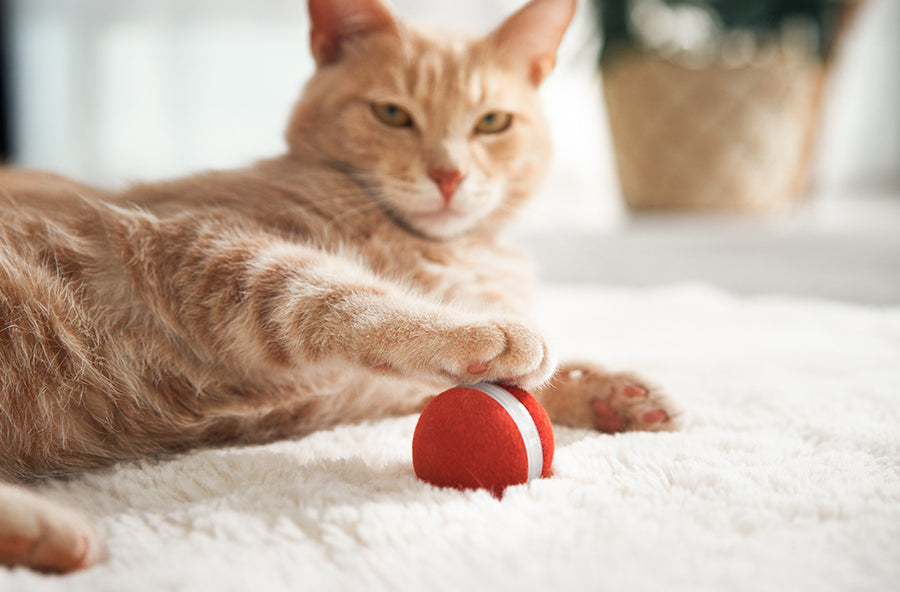
Discuss food portions, dental care, and preventive care with your veterinarian. For play, choose activities your cat can comfortably manage. Cats Protection recommends brief play sessions that fit a cat's interest and abilities. You can explore cat toys for variety without expecting a toy to extend lifespan by a specific amount.
If reaching a favorite resting place or entering a litter box becomes difficult, discuss the change and adjust the setup. The goal is to help your cat use the home comfortably, rather than making them keep up with a younger cat's routine.

Do not dismiss problems as “just aging”
Changes deserve attention even when a cat is older. Cornell's urinary tract guidance highlights painful urination, blood, repeated attempts, and little or no urine. Suspected urinary blockage requires emergency care.
Our litter box troubleshooting guide separates setup problems from changes that warrant veterinary attention. A cleaner box should never become a reason to delay care.

Lifespan and human-age charts answer different questions
A human-age comparison is a way to discuss life stages, not a forecast of death. Our cat age chart covers that separate topic. Use it for context while letting your veterinarian assess your cat's actual condition.
You do not need a precise prediction to plan good care. Pay attention to the cat you live with, keep useful records, and make the next stage of their life as comfortable and engaging as you can.


Leave a comment
All comments are moderated before being published.
This site is protected by hCaptcha and the hCaptcha Privacy Policy and Terms of Service apply.