



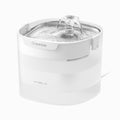
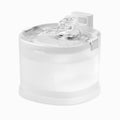
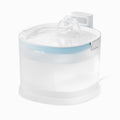
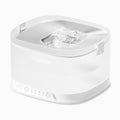
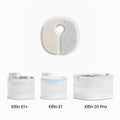
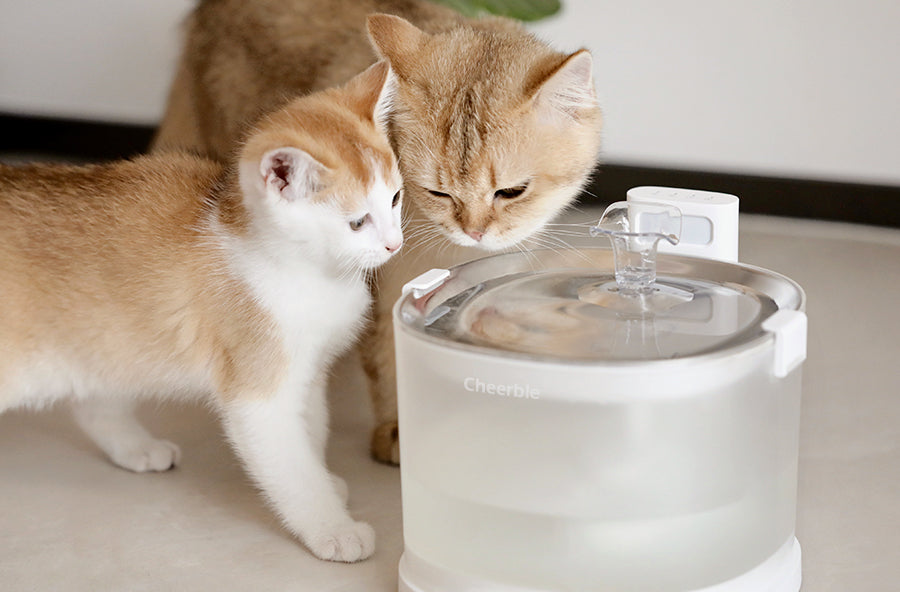
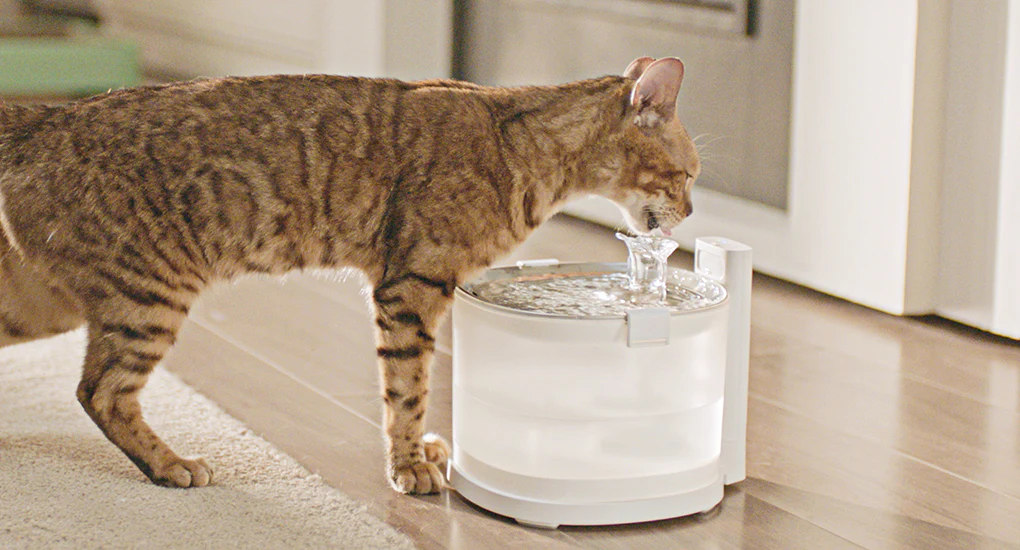
Cat water fountains can be worth it for cats that prefer moving water and for owners prepared to clean the device regularly. They may encourage some cats to drink, but research does not show a universal increase in water intake, and a fountain cannot prevent kidney or urinary disease. Keep a clean bowl available while your cat adjusts.
What Does a Cat Water Fountain Actually Do?
A cat water fountain circulates water through a drinking area and, in many designs, through a replaceable filter. Movement, sound, and a different drinking surface may make the water source more interesting to some cats. Filtration can catch hair and visible debris or reduce some odors, depending on the filter, but it does not sterilize the water or replace routine washing.
Cats do not all respond in the same way. A controlled study comparing still, circulating, and free-falling water presentations found no significant group difference in total water intake, although individual preferences varied. That makes a fountain an optional additional water source rather than a guaranteed hydration solution. See the Journal of Feline Medicine and Surgery study for the research details.
Cat Water Fountain Pros and Cons at a Glance
| Factor | Possible benefit | Possible drawback | What to check |
|---|---|---|---|
| Cat preference | Movement or sound may attract some cats | Other cats prefer still water or dislike noise | Keep the old bowl and observe actual use |
| Water condition | Circulation and filters can catch hair and debris | Biofilm can still develop on wet surfaces and inside parts | Cleaning access and manufacturer instructions |
| Daily capacity | A reservoir may reduce how often water runs low | A larger tank can hide declining water quality | Check and refresh the water every day |
| Maintenance | Some designs have removable, washable components | Pumps, tubes, corners, and filters may require extra work | Number of parts and replacement-filter cost |
| Placement | Offers another drinking station in the home | Noise, cables, and outlet access can limit placement | Stable surface, quiet location, and cord safety |
| Cost | May suit a cat that consistently chooses flowing water | Costs more than a bowl and may need filters or parts | Total ownership cost, not only purchase price |
Potential Benefits of a Cat Water Fountain
It May Match an Individual Cat’s Drinking Preference
Some cats investigate taps, moving water, or reflective surfaces. For those cats, a gentle stream or circulating surface may be more appealing than a still bowl. The important evidence is the individual cat’s behavior: whether the cat approaches calmly and drinks, not whether fountains are popular in general.
It Can Add Another Water Station
Several accessible water locations give cats more choice, especially in multi-cat homes or homes with more than one floor. International Cat Care recommends offering water in multiple quiet locations and considering different bowl types or a fountain. A fountain should add an option rather than remove every familiar bowl at once.
Filters Can Catch Hair and Visible Debris
Many fountains pass water through foam, mesh, activated carbon, or another replaceable medium. What a filter can remove depends on its design. It may catch hair or particles and improve odor or taste, but it cannot compensate for old water, an overdue filter, or residue on the tank and drinking tray.
A Reservoir May Be Convenient
A larger water supply can be useful in a busy household, but capacity should not be confused with freshness. Check the level and condition daily. A reservoir can run low, a filter can clog, and a powered unit can stop during an outage.
Drawbacks to Consider Before Buying
Fountains Require More Cleaning Than a Simple Bowl
A bowl has one main surface. A fountain may include a tray, tank, filter housing, impeller, tubing, seals, and small channels. Any water-contact part can collect hair, saliva, mineral deposits, or biofilm. If a design is difficult to take apart, maintenance may become the biggest disadvantage.
Filters and Replacement Parts Add Ongoing Cost
Compare the price and availability of filters, pumps, or other replaceable components before choosing a model. Follow the schedule for that specific product; there is no single replacement interval that applies to every filter, water source, or household.
Noise and Movement Can Deter Some Cats
A hum, vibration, splash, or sudden sensor activation may worry a cautious cat. Noise can also increase when the water level is low or a component needs cleaning. Introduce the fountain while the familiar bowl remains available, and never force the cat to approach it.
Power and Placement Need Planning
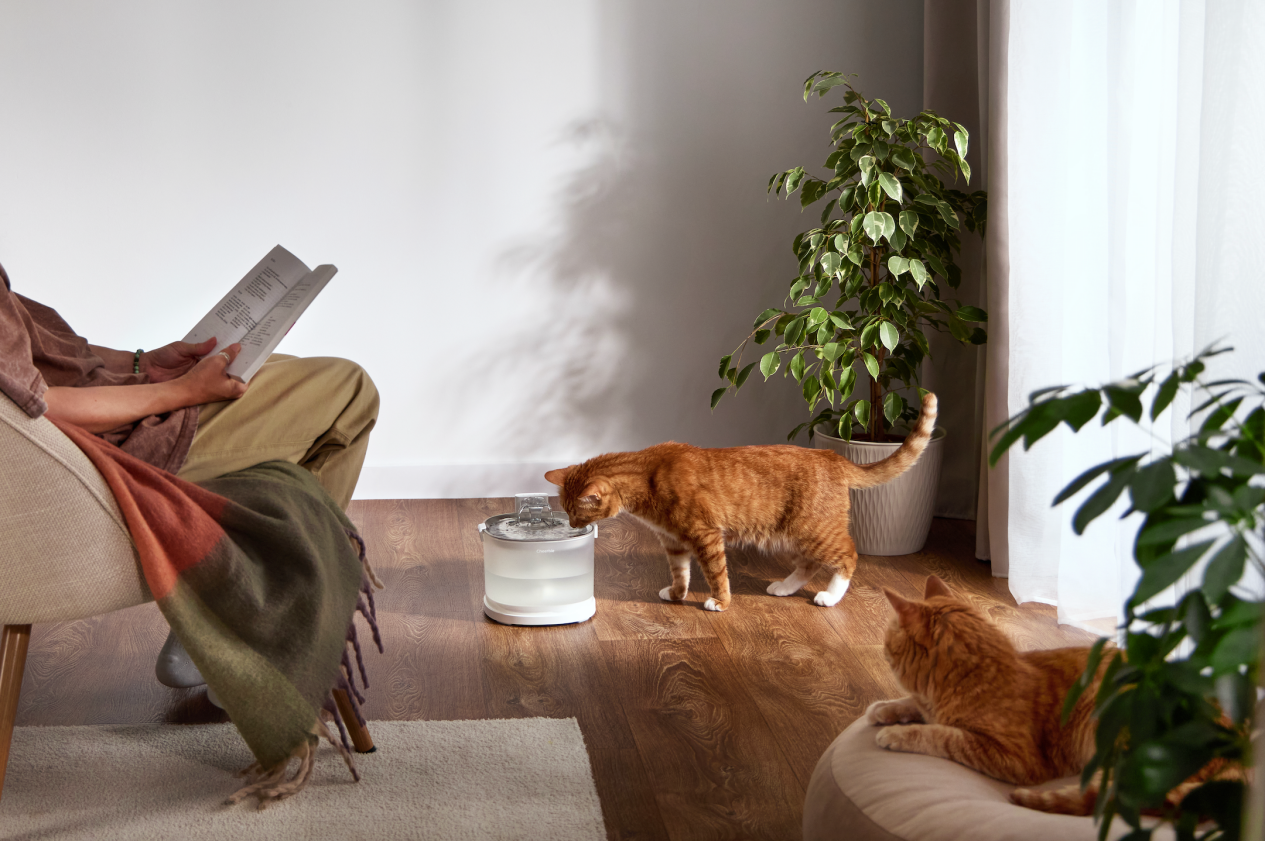
Place the fountain on a stable surface away from litter, heavy foot traffic, and anything that could fall into the water. Protect cables from chewing and keep plugs and power components dry according to the manufacturer’s instructions. Battery-powered and externally driven designs have different care requirements.
A Fountain May Not Change Drinking Behavior
Some cats continue to prefer a wide, shallow bowl. Others use both. If the cat ignores a clean, properly introduced fountain, the product has not failed medically; it may simply be the wrong presentation for that cat.
Can a Cat Water Fountain Prevent Urinary or Kidney Disease?
No. A fountain cannot prevent or treat urinary tract disease, kidney disease, crystals, stones, infections, or urethral blockage. Adequate water is important to normal body function, and increased total water intake may be part of a veterinarian’s plan for some conditions, but the appliance itself is not a medical intervention.
The Cornell Feline Health Center’s hydration guide explains the role of water and notes that wet food is one way to increase water intake. If a cat has a diagnosed condition, ask the veterinarian about diet, water access, medication, and monitoring rather than relying on a fountain claim.
Straining to urinate, repeated unsuccessful trips to the litter box, crying while urinating, or passing little or no urine can indicate an emergency, particularly in male cats. Review Cornell’s information on feline lower urinary tract disease and seek urgent veterinary care when these signs occur.
How to Decide Whether a Fountain Is Worth It
- Observe current preferences. Note whether the cat seeks taps, avoids narrow bowls, or drinks comfortably from still water.
- Assess maintenance honestly. Choose a design you can disassemble, wash, rinse, and reassemble correctly.
- Calculate ongoing cost. Include filters and likely replacement parts.
- Plan a quiet location. Confirm access to power if required and provide a stable, easy-to-clean surface.
- Keep another water source. A clean bowl provides choice and backup during cleaning, faults, or power outages.
- Measure success by use. Watch whether the cat drinks and whether the fountain remains practical to maintain.
If you are comparing capacity, noise, filtration, power, and household fit, use the separate cat water fountain buying checklist. For a focused comparison of plastic, ceramic, and stainless steel, see the cat fountain materials guide.
How to Introduce a Cat Water Fountain
- Wash and rinse all water-contact parts according to the instructions.
- Place the fountain near a familiar water location, but keep the existing bowl.
- Let the cat investigate the fountain while it is switched off.
- Turn it on during a calm period and allow the cat to approach voluntarily.
- Keep the flow setting gentle if the product allows adjustment.
- Observe use over several days before deciding whether to move or remove a bowl.
A gradual introduction is especially important for noise-sensitive cats. Multiple cats should be able to reach water without being blocked or guarded by another cat.
Cleaning and Safety Checklist
- Refresh the water and check the level every day.
- Wash all accessible water-contact surfaces on the product’s recommended schedule.
- Clean hidden channels, pump or drive components, and seals exactly as instructed.
- Replace filters according to the manufacturer and sooner if flow or water condition changes.
- Remove mineral deposits using only cleaning methods approved for the product.
- Stop using the fountain if a cable, base, seal, housing, or moving component is damaged.
- Keep a clean backup bowl available.
“Pumpless” usually means there is no conventional submerged pump in the tank; it does not mean that water moves without a drive mechanism. Designs differ, so consult the product instructions or read how pumpless pet fountains work.
Frequently Asked Questions
Do cats prefer running water?
Some do, but preference varies. Offer both a fountain and a clean bowl during the trial and watch which source the individual cat uses.
Are cat water fountains safe?
They can be safe when assembled, powered, cleaned, and maintained according to the instructions. Inspect cables and components, prevent the reservoir from running dry, and stop use if any part is damaged.
Do filters keep fountain water completely clean?
No. Filters may catch debris or affect odor and taste, but they do not sterilize the water. The reservoir, tray, channels, and other wet parts still require washing.
How often should a cat fountain be cleaned?
Follow the manufacturer’s schedule and clean sooner if you see hair, residue, slime, mineral deposits, reduced flow, or odor. Household water, number of pets, food debris, and fountain design all affect maintenance.
Can a fountain prevent feline acne?
No fountain or material can guarantee prevention. Cleanliness, surface condition, and the individual cat may all matter. Persistent chin lesions should be assessed by a veterinarian.
Can I leave a cat water fountain running all the time?
Only if that model is designed for continuous operation and all setup requirements are met. Check the water level and condition daily, and keep another water source available in case of a fault or power outage.
Is a fountain better than wet food for hydration?
They address different parts of total water intake. Wet food contains more moisture, while a fountain changes the presentation of drinking water. A veterinarian can advise on diet and hydration for cats with health conditions.
The Bottom Line
A cat water fountain is worth considering when it matches the cat’s preferences and the owner can maintain it properly. It is an additional drinking option, not a disease-prevention device or a replacement for veterinary care. Browse Cheerble’s pet water fountains, compare upkeep as carefully as features, and keep a clean bowl available while your cat decides.


Leave a comment
All comments are moderated before being published.
This site is protected by hCaptcha and the hCaptcha Privacy Policy and Terms of Service apply.