















As cat parents, we often find ourselves staring at an empty bowl and wondering: "Is that enough, or am I overfeeding?" We want our cats to be satisfied, but we also want them to stay healthy. Unfortunately, cats are masters at hiding their feelings. They cannot tell us when they are feeling sluggish from too many calories or weak from too few.
Determining the "perfect" amount of food is a challenge for all of us. It is not just about following the label on a bag of kibble. It is about understanding the subtle language of feline nutrition. In this guide, we will explore how to identify the right intake for your cat and the risks of getting it wrong.
The Science of Satiety: How Much Should a Cat Really Eat?
We often rely on the feeding guidelines printed on cat food packaging. However, these are only general averages. Every cat is an individual with a unique metabolic rate.
Beyond the Bag: Why Caloric Needs Vary
A cat's caloric requirement depends on several factors: age, weight, activity level, and whether they are neutered. For example, a kitten growing rapidly needs far more energy per pound than an indoor senior cat. Neutered cats typically have a slower metabolism and require about 20% to 30% fewer calories to maintain a healthy weight. We must look at calories (kcal) rather than "cups" to get a true picture of what our cats are consuming.
The Impact of Lifestyle on Metabolism
A cat that spends their day chasing toys has different needs than a cat that prefers napping in the sun. If we treat every cat the same, we risk missing their specific biological requirements. The goal is to maintain an ideal body condition, rather than simply filling the bowl to the top.

The Risks of Imbalance: Consequences of Under or Overfeeding
Whether it is a few extra treats or a missed meal, small imbalances add up over time. The long-term effects on feline health can be significant.
The Heavy Burden of Obesity
Obesity is a growing epidemic in the feline world. When we overfeed our cats, we aren't just making them "fluffy." We are putting immense strain on their joints, leading to arthritis. Excess weight is also a primary trigger for feline diabetes and heart disease.
For an indoor cat, losing even half a pound can drastically improve their quality of life and longevity.
The Hidden Dangers of Underfeeding
Underfeeding is just as dangerous. If a cat does not get enough nutrients, their immune system weakens. In severe cases, especially with overweight cats that suddenly stop eating, it can lead to Hepatic Lipidosis (Fatty Liver Disease). This is a life-threatening condition where the liver becomes overwhelmed by processing body fat for energy. Balance is not just a preference; it is a medical necessity.
Red Flags: Subtle Signs Your Cat’s Intake Is Off
Cats rarely complain, so we must be detectives. We need to watch for the small changes that signal a bigger problem.
Gradual Decreases: The Silent Indicator
Many chronic issues, such as kidney disease or dental pain, cause a very slow decrease in appetite. If we aren't tracking their daily intake, we might not notice they are eating 10% less each week. By the time the weight loss is visible, the condition may already be advanced. Consistency is the best baseline for health.
Sudden Cravings: When Hunger Means Trouble
Is your cat suddenly acting like they are starving? An unexplained increase in appetite—known as polyphagia—isn't always a good sign. In older cats, this can be a symptom of hyperthyroidism or diabetes. If your cat is eating more but losing weight, it is a major red flag that requires a veterinary checkup.
The Multi-Cat Accuracy Gap: Who Is Actually Eating What?
In a multi-cat household, monitoring food intake becomes ten times harder. The "averaging" mistake is a common trap for many of us.
The Masking Effect in Group Feeding
When we leave food out for multiple cats, we only see the total amount disappear. We assume everyone is eating their fair share. In reality, one cat might be overeating while another is barely touching their food. This "masking effect" prevents us from noticing an illness in one cat until it becomes an emergency.
Competitive Eating and Stress
The social hierarchy of our cats plays a huge role at mealtime. A dominant cat may "guard" the food bowl, even if they aren't eating. A more submissive cat might experience high stress and eat too quickly to avoid confrontation. This "scarf and barf" behavior is often a result of food insecurity caused by a lack of private feeding spaces.

Professional Guidelines for Monitoring Intake
Establishing a monitoring system is the best way to ensure peace of mind. The approach differs depending on the size of your feline family.
Strategy for Single-Cat Households
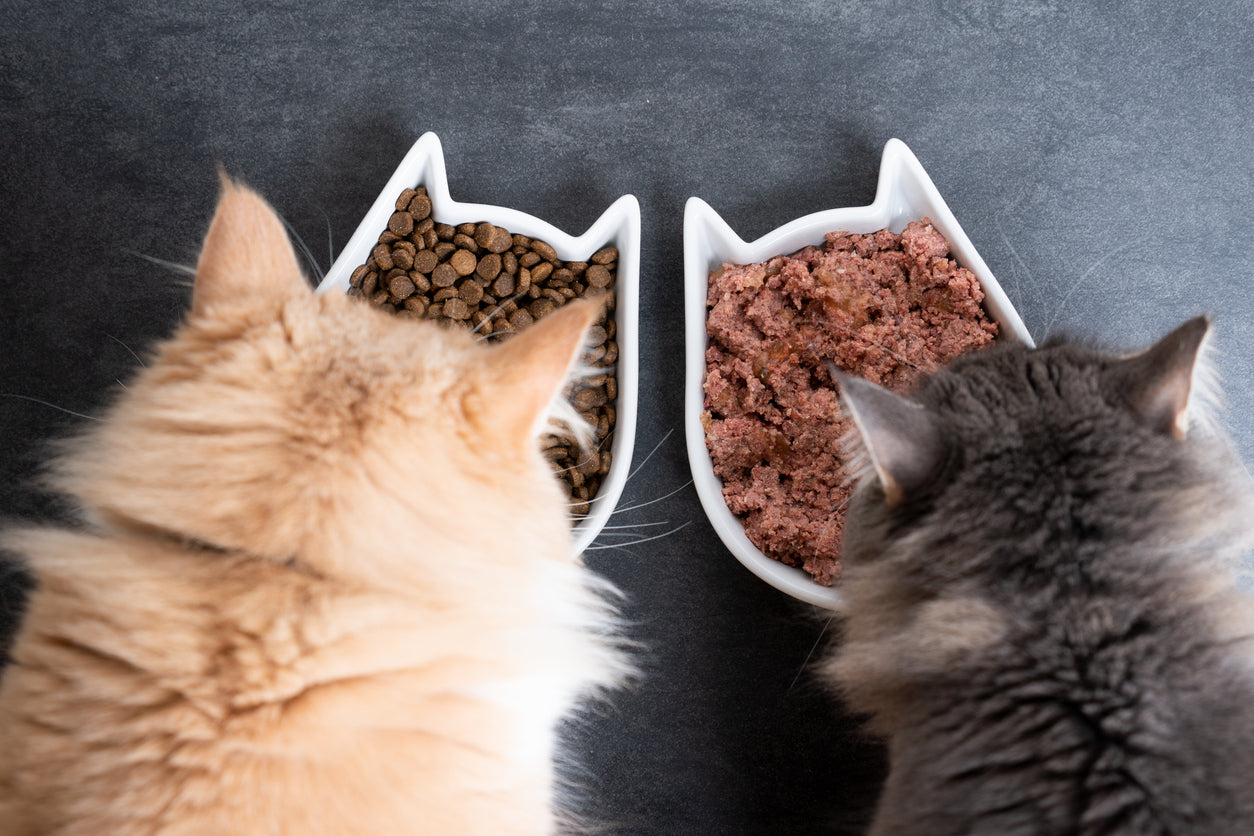
For those with one cat, the process is straightforward but requires discipline. Use a digital scale to weigh the food out in grams. At the end of the day, weigh what is left. This gives you a precise number to track. Combine this with a monthly Body Condition Score (BCS) check to see if their physical shape is changing alongside their appetite.
Solutions for Multi-Cat Households
In a home with several cats, manual tracking is nearly impossible without total isolation. We can try feeding in separate rooms, but this is time-consuming. Fortunately, the pet industry is moving toward smart technology.
Modern smart feeders are now capable of identifying individual pets. These systems can track how many times a cat visits the bowl, how long they stay, and exactly how much they consume. By using tech to separate diets and record data, we can finally get an accurate health report for every individual cat in the house. This data-driven approach is the future of proactive pet care.
Final Thoughts: Data Is the Best Medicine
Understanding if our cats are eating the right amount is about more than just a full belly. It is about catching the smallest changes before they become big problems.
Whether we use a scale and a notebook or a smart recognition feeder, the goal remains the same: knowing the truth about our cats' health. When we have the data, we have the power to help them live longer, happier lives.
Disclaimer: The information provided in this article is for educational and informational purposes only and is not intended as a substitute for professional veterinary advice, diagnosis, or treatment. Always seek the advice of your veterinarian or other qualified pet health provider with any questions you may have regarding your cat's medical condition or dietary needs. Never disregard professional medical advice or delay in seeking it because of something you have read on this website.


Leave a comment
All comments are moderated before being published.
This site is protected by hCaptcha and the hCaptcha Privacy Policy and Terms of Service apply.