


Smart dog toys are interactive toys that use movement, food rewards, puzzles, sound, or remote control to encourage a dog to investigate and play. The right option depends on the dog’s size, play style, chewing habits, and environment. These toys can add variety to a routine, but they do not replace exercise, training, social contact, or supervision.
What Counts as a Smart Dog Toy?
A smart dog toy does not have to connect to an app. The useful distinction is whether the toy responds to the dog or creates a problem for the dog to solve. A motion-activated ball changes direction after contact, a food puzzle rewards a successful action, and a remote-controlled toy lets an owner vary the movement. Even a non-electronic foraging toy can provide structured mental activity.
Different mechanisms suit different dogs. A chase-focused dog may enjoy movement, while a food-motivated dog may spend longer with a puzzle. Noise, texture, floor type, and difficulty also affect whether a toy holds a dog’s attention.
Five Types of Smart Dog Toys
| Type | How it engages the dog | Often suits | Main consideration |
|---|---|---|---|
| Motion-activated toys | Move, roll, bounce, or change direction after contact | Dogs that enjoy chasing and pouncing | Space, floor surface, size, and chewing strength |
| Food puzzles and treat dispensers | Release food after nudging, rolling, sliding, or solving | Food-motivated dogs and slower-paced play | Difficulty, cleaning, and calories |
| Remote-controlled toys | Let an owner guide movement and vary the play pattern | Dogs that enjoy shared interactive play | Requires owner participation and careful introduction |
| Camera and remote treat devices | Provide remote viewing, sound, or controlled treat release | Owners who want brief remote interaction | Not a substitute for care, exercise, or anxiety treatment |
| Sensory and learning toys | Use scent, texture, buttons, or simple problems | Dogs that prefer foraging or lower-impact activity | Loose parts, fabric chewing, and suitable difficulty |
1. Motion-Activated and Moving Toys
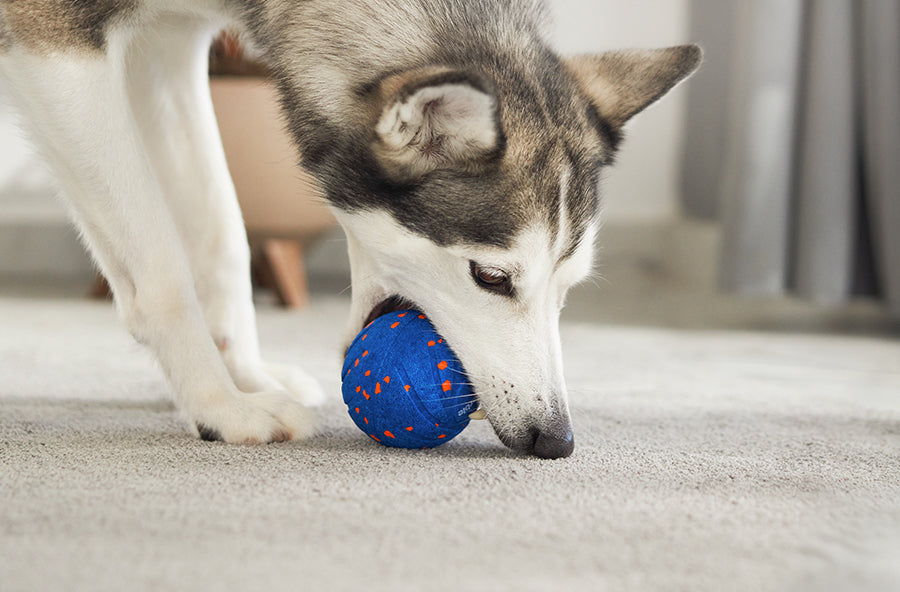
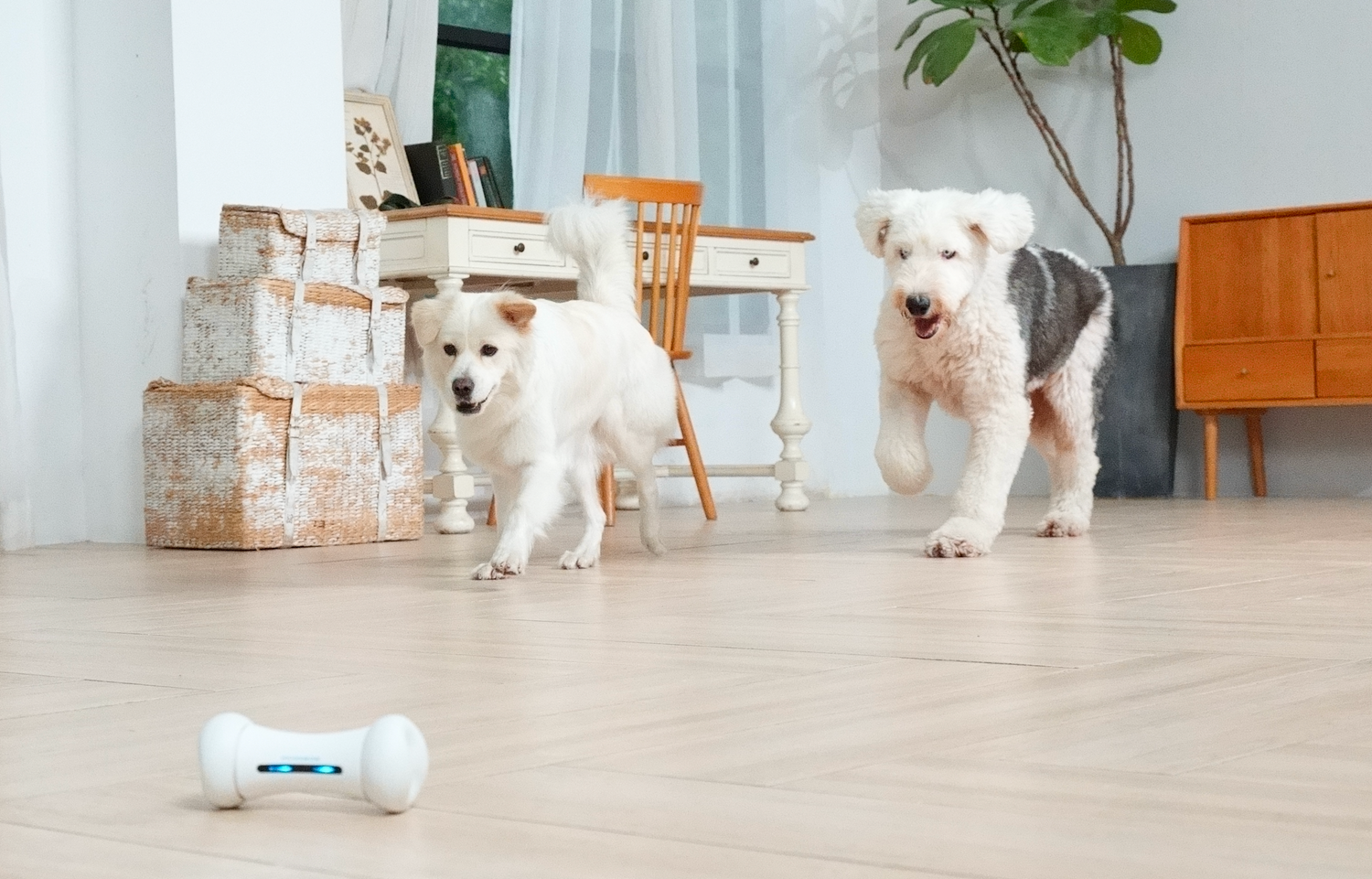
Moving toys encourage chasing, following, and investigating. Some react when a dog touches them, while others alternate between activity and rest. They can be useful for short indoor play sessions when the available space is clear of stairs, fragile objects, and places where the toy may become trapped.
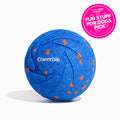
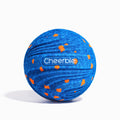
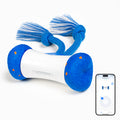
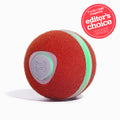
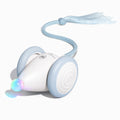
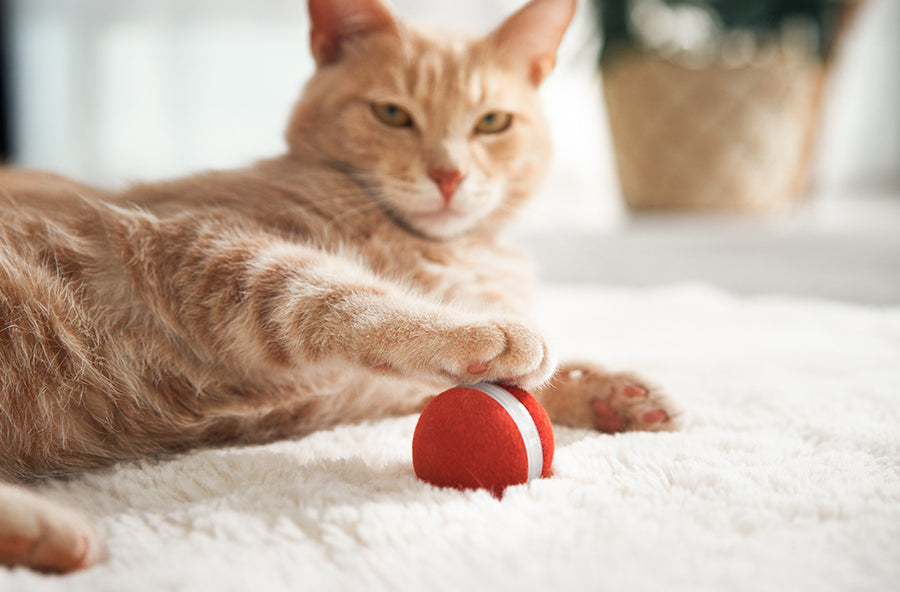
An interactive ball such as Wicked Ball Air is one example of this category. Match the toy’s size and material to the dog, and supervise the first sessions to see whether the dog chases, carries, or tries to dismantle it.
2. Food Puzzles and Treat-Dispensing Toys
Food puzzles ask a dog to roll, push, slide, or manipulate an object to reach food. Start with an easy setup so the dog can learn how the reward appears, then increase the challenge gradually. Count treats as part of the dog’s daily food allowance and wash food-contact areas after use.
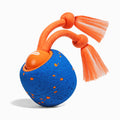
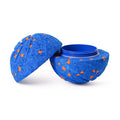
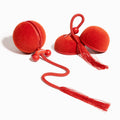
Wicked Egg is a treat-dispensing example. The American Veterinary Society of Animal Behavior’s guide to food puzzle toys also recommends choosing an appropriate difficulty and helping the dog learn the puzzle rather than allowing repeated frustration.
3. Remote-Controlled Interactive Toys
Remote-controlled toys turn smart play into a shared activity. The owner can change direction, pause, or restart play instead of relying on a fixed pattern. This can work well for dogs that pay more attention when a person participates.
Wickedbone is an app-controlled interactive toy in this category. A phone-controlled toy still needs the same size, condition, and supervision checks as any other dog toy.
4. Camera and Remote Treat Devices
Some connected devices combine a camera, speaker, and controlled treat release. They can provide brief interaction or let an owner observe a dog, but they should not be presented as a replacement for walks, toilet breaks, training, or human contact. A device that produces sound may also unsettle a noise-sensitive dog, so introduce it while someone is present.
5. Sensory, Foraging, and Learning Toys
Snuffle mats, scent games, textured toys, and communication buttons are not always electronic, but they can still create meaningful mental tasks. These options may suit dogs that are less interested in fast movement. Fabric and detachable pieces require close monitoring if the dog tends to chew or swallow non-food items.
How Do Interactive Dog Toys Work?
Interactive toys maintain interest by creating a response: the toy moves, releases food, makes a sound, changes direction, or requires another action before the dog receives a reward. Unpredictability can encourage investigation, but more stimulation is not always better. A toy should provide achievable challenges and allow the dog to pause or walk away.
Automatic features also vary. Some toys respond to touch, some use programmed movement cycles, and others require an owner to control them. Check the individual product instructions instead of assuming that every electronic toy is designed for unattended use.
How to Choose the Right Smart Dog Toy
Match the Toy to the Dog’s Play Style
Watch how the dog already plays. Chasers may prefer movement, problem-solvers may enjoy food puzzles, and dogs that seek owner attention may respond better to remote-controlled play. A dog that ignores one category may engage with another.
Choose an Appropriate Size and Material
A toy should not be small enough to swallow or so large that the dog cannot use it comfortably. Consider jaw strength and whether the dog gently carries toys or attempts to tear them apart. No toy should be described as indestructible for every dog.
Consider the Room and Floor
Moving toys need clear space. Check for stairs, cables, water bowls, furniture gaps, and hard edges. Noise and movement may differ on carpet, tile, and wood floors, which can affect both the dog and the household.
Check Cleaning and Power Requirements
Food-contact surfaces need regular cleaning. For electronic toys, follow the manufacturer’s instructions for charging, water exposure, removable covers, and battery care. Stop using a toy if its casing, charging area, or moving parts are damaged.
Can Smart Toys Keep a Dog Busy When Home Alone?
A familiar toy may occupy some dogs for part of a short absence, but no toy can guarantee hours of engagement or prevent separation-related behavior. Only leave a toy with a dog when its manufacturer permits unattended use and the dog has already used that specific toy safely under supervision.
Destruction, repeated barking, pacing, escape attempts, drooling, or toileting during absences may indicate distress rather than ordinary boredom. The American Veterinary Society of Animal Behavior explains that separation anxiety needs an appropriate behavior plan; an interactive toy alone is not a treatment.
Smart Dog Toy Safety Checklist
- Inspect before play: Check seams, covers, moving parts, and charging areas.
- Introduce the toy while present: Let the dog investigate without forcing interaction.
- Start with a short session: Observe whether the dog plays, avoids the toy, guards it, or tries to break it.
- Remove damaged toys: Stop use if pieces loosen or the toy no longer works as intended.
- Clean and rotate: Follow care instructions and alternate toys to maintain variety.
The ASPCA’s guidance on dog chews and treats highlights risks such as choking and gastrointestinal obstruction. Similar judgment applies to toys: select an appropriate size, monitor wear, and remove anything the dog may swallow.
Frequently Asked Questions
Are electronic dog toys good for dogs?
They can be a useful form of enrichment when they match the dog’s size and play style and are used according to the instructions. They are not automatically better than food puzzles, scent games, training, walks, or play with people.
What toys are best for a high-energy dog?
High-energy dogs may enjoy moving toys, retrieve games, tug, and food puzzles, but toys should be part of a broader routine that includes physical exercise, training, rest, and social interaction. Choose activities appropriate for the dog’s age and health.
How can I stop my dog becoming bored with a toy?
Rotate a small selection instead of leaving every toy available all the time. Vary the activity, adjust puzzle difficulty gradually, and join some sessions so the experience is not always identical.
Can a smart toy reduce destructive behavior?
A suitable toy can provide an appropriate activity and may redirect some chewing or chasing, but destructive behavior can have several causes. Persistent or intense behavior should be discussed with a veterinarian or qualified behavior professional.
Are smart toys suitable for puppies or senior dogs?
Yes, when the size, difficulty, movement, and material are appropriate. Puppies may need durable, easy-to-understand options, while senior dogs may prefer slower movement or lower-impact puzzles. Health, dental comfort, and mobility should guide the choice.
Build a Balanced Play Routine
Smart dog toys work best as one part of an enrichment routine. Combine different types of play with walks, training, sniffing, rest, and time with people. Browse Cheerble’s interactive dog toys, then choose based on how the individual dog plays rather than on technology alone.


Leave a comment
All comments are moderated before being published.
This site is protected by hCaptcha and the hCaptcha Privacy Policy and Terms of Service apply.