

The best cat water fountain is the one your cat will use and you can keep clean. A large tank or a long feature list means little if the drinking height feels awkward, the sound worries your cat, or the fountain takes too long to wash.
Start with your cat's current drinking habits and your home. Then compare capacity, food-contact materials, cleaning access, water-flow design, power options, noise, filter availability, and ongoing cost. A fountain can give cats another water option, but it is not a medical treatment and it does not replace fresh water bowls or veterinary advice.
Start With Your Cat and Your Home
Watch how your cat already drinks
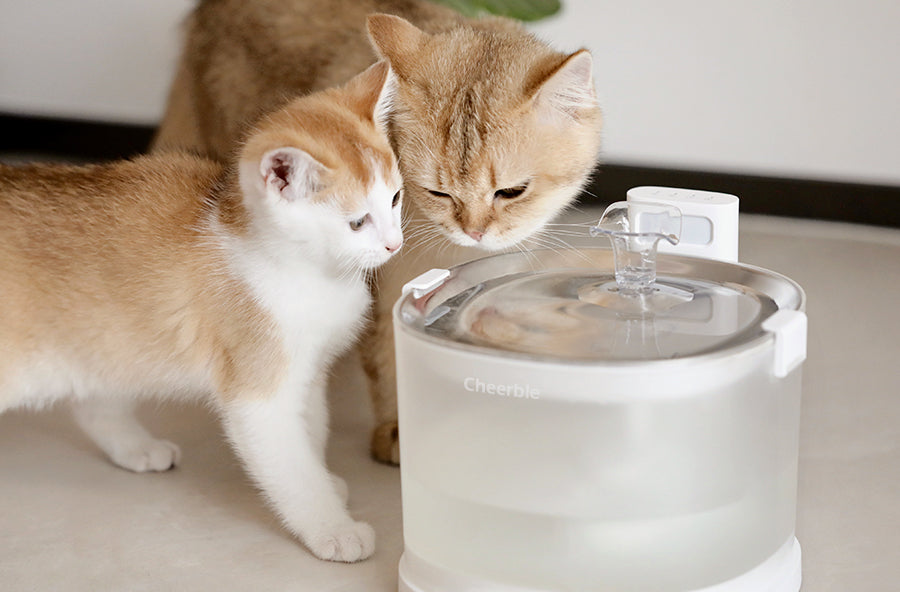
A cat that seeks out a running faucet may accept moving water quickly. A cat that drinks comfortably from a wide, still bowl may prefer a gentle flow or may not need a fountain at all. Shy cats may need a quiet model and a slow introduction; keep the familiar bowl available while they investigate the new fountain.

Choose a comfortable drinking area
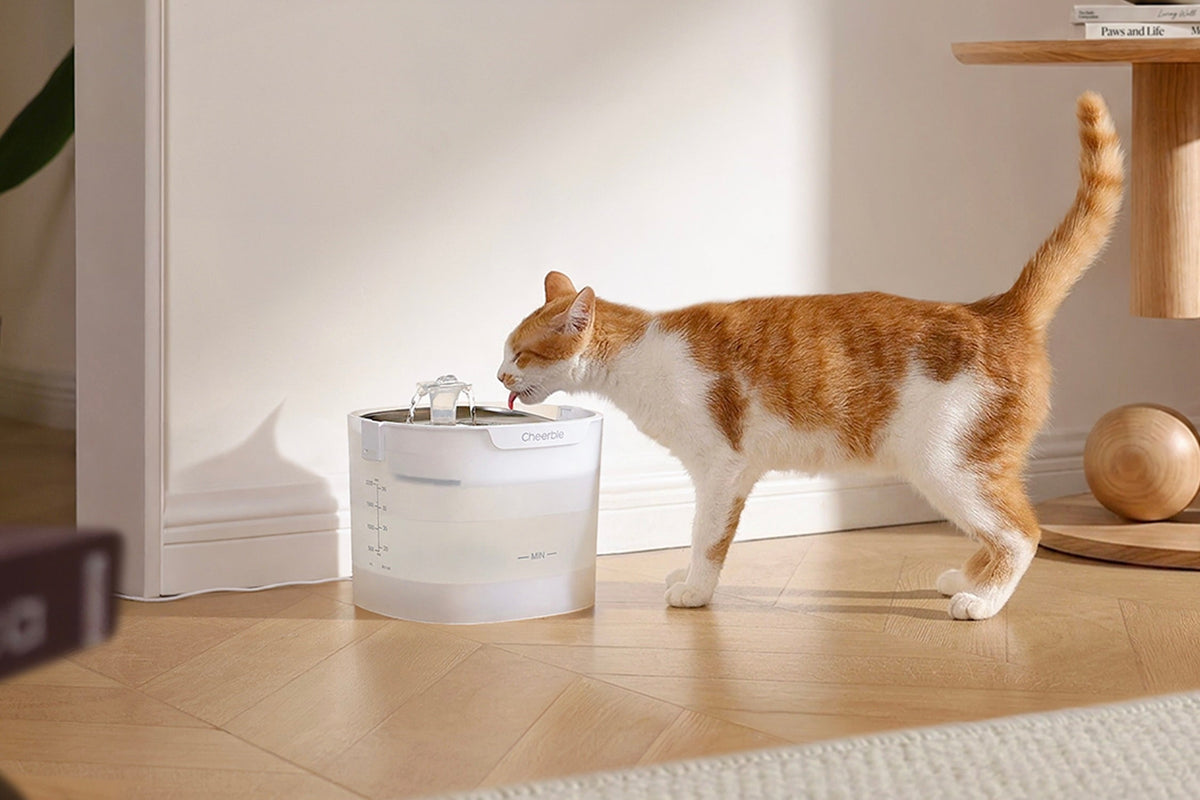
Place water in a calm, accessible location away from litter trays and busy walkways. Feline environmental guidance recommends providing key resources in multiple, separated locations, especially in multi-cat homes. A cordless or battery-powered fountain gives you more placement flexibility, while a corded model needs a safe outlet and cable route.
Size the capacity to the household
Capacity affects how often you refill, but bigger is not automatically better. One cat may be well served by a compact 2-liter fountain, while multiple cats or a dog-and-cat household may benefit from a larger reservoir. Freshness still depends on regular water changes and cleaning, so do not use a large tank as a reason to leave water sitting for long periods.
Compare the Features That Matter
Food-contact materials
Look at the surface your cat actually drinks from, not only the reservoir. Stainless steel and ceramic drinking surfaces are smooth and durable when cared for properly. Quality plastic can also work, but replace parts that become deeply scratched, cracked, or difficult to clean. Confirm which components are dishwasher-safe before buying.
Cleaning access
Ask how many parts touch the water, whether the tank detaches from the powered base, and whether you can reach every corner with a sponge or brush. Traditional pumps have an impeller housing that also needs cleaning. Pumpless or externally driven designs can reduce the number of submerged powered components, but they still have water-contact parts, filters, conduits, or magnetic drive components that require maintenance.
Water-flow design
Some fountains produce a continuous stream; others use timer or sensor modes. Continuous flow gives a consistent cue, while sensor mode can reduce operating time and suit cats that approach intermittently. A shallow, wide drinking tray may suit cats that dislike whisker contact. Whatever the design, the flow should be easy to see, access, and clean.
Corded, cordless, and battery-powered use
“Cordless” can mean different things. Some fountains contain a rechargeable battery and can operate away from an outlet. Others keep electricity outside the water tank but still need a cable. Check whether the model is truly battery-powered, how long it runs in each mode, how long charging takes, and whether it can operate while charging.
Noise and low-water behavior
A quiet fountain is easier to place in bedrooms and small apartments. Read how the model behaves when water runs low: a warning light and automatic stop can be useful, but they do not replace daily checks. Reviews can help identify humming, splashing, and vibration that specifications rarely describe.
Filters, Cleaning, and Running Cost
Before buying, check the filter type, replacement interval in the manual, pack price, shipping availability, and model compatibility. Replacement timing varies with the fountain, water quality, number of pets, and debris load. A filter does not clean the tank for you; hair and sediment still need to be removed, and the water-contact parts still need washing.
Calculate the first-year cost using the fountain price plus expected filters and any replacement accessories. A lower purchase price may cost more over time if filters are expensive or difficult to source.
Match the Fountain to the Use Case
For a small home
Prioritize a compact footprint, low noise, spill control, and a cable or battery setup that works where your cat already feels safe.
For multiple cats
Choose enough capacity and drinking space, but continue providing more than one water location. One fountain can become a point of competition or can fail, run dry, or need cleaning.
For frequent travel or long workdays
Look for visible water level, low-water alerts, stable construction, and a backup bowl. A fountain should not be the household's only water source when nobody is home to notice a problem.
For cats sensitive to sound or change
Choose a quiet model with a gentle mode. Introduce it beside the existing bowl, initially without forcing interaction, and allow your cat to choose.
How Cheerble Fountain Models Differ
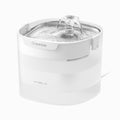
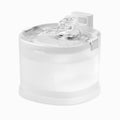
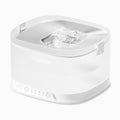
Cheerble's current fountain range serves different placement and capacity needs. Confirm current specifications on each product page before publishing or buying.

| Model | Best fit | Key distinctions |
|---|---|---|
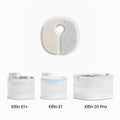
| Elfin E1+ | Flexible placement and stainless-steel drinking surface | 2 L capacity, 304 stainless-steel tray, 5000 mAh battery, Smart and Timer modes |
| Elfin E1 | Compact corded setup | 2 L capacity, pumpless MagDrive design, Smart and Timer modes, plastic drinking surface |
| Elfin E1 Lite | Continuous flow and simple routine | 2 L capacity, plug-in continuous flow, dishwasher-safe tank according to the product page |
| Elfin D1 Pro | Larger pets or higher-capacity households | 4 L capacity, stainless-steel tray, wired and wireless variants; wireless model has a 5000 mAh battery |
These differences are useful only after you decide what your home needs. A battery is valuable when the best water location has no outlet. Stainless steel matters when you prefer that drinking surface. A 4-liter reservoir helps a larger household but also takes more space and still requires regular cleaning.
Cat Water Fountain Buying Checklist
- Will my cat accept the sound, flow, height, and tray shape?
- Does the capacity suit the number and size of pets?
- Can I reach and wash every water-contact part?
- Which parts are dishwasher-safe?
- Is the model truly battery-powered, corded, or both?
- How does it warn or stop when water is low?
- How often does the manual recommend replacing the filter?
- Can I buy the correct filters easily?
- Will I keep at least one backup water source available?
Frequently Asked Questions
Do cats need a water fountain?
No. Many cats drink well from clean bowls. A fountain is one way to offer moving water and another drinking location, especially for cats that show a preference for it.
Is stainless steel always better than plastic?
Stainless steel provides a durable, smooth drinking surface, but design and maintenance still matter. Any material should be cleaned regularly and replaced if damaged.
How often should I clean a cat water fountain?
Follow the model's manual and clean sooner when you see hair, residue, slime, or reduced flow. Refresh the water frequently and inspect the tank daily.
Should a fountain be the only water source?
It is safer to keep another clean water source available, particularly in multi-cat homes or when you are away. Fountains can run low, lose power, become blocked, or need cleaning.
The Bottom Line
Choose a cat water fountain around daily reality: your cat's preferences, the place it will sit, how easily you can clean it, and what filters will cost. The best fountain is not the model with the longest feature list. It is the one that becomes a clean, dependable water option in your cat's routine.
Sources
- FelineVMA: Multiple and Separated Key Resources
- International Cat Care: Encouraging Your Cat to Drink
- Cheerble User Manuals
- Cheerble Pet Fountain Collection


Leave a comment
All comments are moderated before being published.
This site is protected by hCaptcha and the hCaptcha Privacy Policy and Terms of Service apply.