





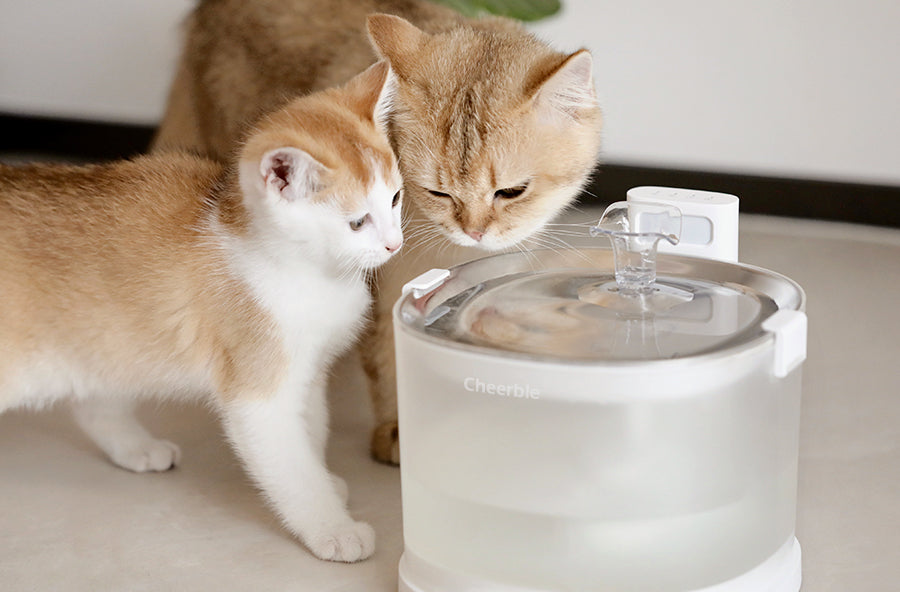

Feeding your pet should be easy, but without the right tools, it can turn into a daily struggle.
Why Managing Pet Feeding is Challenging
As a pet parent, ensuring your furry companion gets the right nutrition at the right times is crucial. Yet, many of us find ourselves overwhelmed with daily schedules, unpredictability, and the specific needs of our pets. Whether it's a busy workday, a spontaneous outing, or dealing with multiple pets, the trial of manually feeding can become frustrating. This is particularly true if you have a picky eater or a pet that is on a specific diet. Fortunately, technology offers solutions that can streamline this process.
Steps to Successfully Manage Your Pet's Feeding Routine
Here’s a practical guide to help you set up an effective feeding routine that works for both you and your pet.
Step 1: Assess Your Pet's Needs
Start by understanding your pet's dietary requirements. This includes considering their age, weight, and any health concerns. Make a note of the type of food they eat and how often they need to be fed.
Step 2: Choose the Right Feeder
Selecting an automatic feeder can significantly reduce your workload. Look for features that fit your lifestyle, such as programmable feeding schedules and portion control. For those with multiple pets, a feeder which can tell each cats apart like the Match G1, can ensure that each pet is getting their proper meal without mix-ups.

Tips for Setting Up Your Automatic Feeder
Once you've chosen your automatic pet feeder, here are some tips to ensure a smooth transition:
Step 3: Set a Feeding Schedule
Utilize the programmable settings to establish a consistent feeding schedule. Aim to feed your pet at the same times each day to create a routine that they can rely on. This helps with digestion and can make them feel more secure.
Step 4: Monitor Your Pet's Eating Habits
Keep an eye on how much your pet eats and whether they are adjusting well. Most automatic feeders, like the Match G1, provide insights on their feeding frequency, which can help you make adjustments when necessary.
Troubleshooting Common Feeding Issues
Even with technology, issues may arise. Here’s how to deal with common feeding challenges:
Step 5: Address Behavioral Changes
If your pet seems hesitant to use the new feeder, it may take time for them to adjust. Encourage them by placing the feeder in a familiar area, and gradually introduce the new system alongside their old one.
Step 6: Keep the Feeder Clean
Routine maintenance is essential. Regularly clean the feeder to prevent buildup of pet food and potential health risks. Most automatic feeders have removable components to make cleaning easier.

Conclusion
Managing your pet's feeding can be a breeze with the right tools and knowledge. By assessing your pet's needs, selecting an appropriate feeder, and establishing a consistent schedule, you can ensure your pet gets the nutrition they need with minimal stress on your part. Integrating technology like the Match G1 can help you achieve this effortlessly, leaving you more time to enjoy the moments that matter with your furry friend.
Explore More
For additional tips on enhancing your pet’s life, check out these articles:


Leave a comment
All comments are moderated before being published.
This site is protected by hCaptcha and the hCaptcha Privacy Policy and Terms of Service apply.