









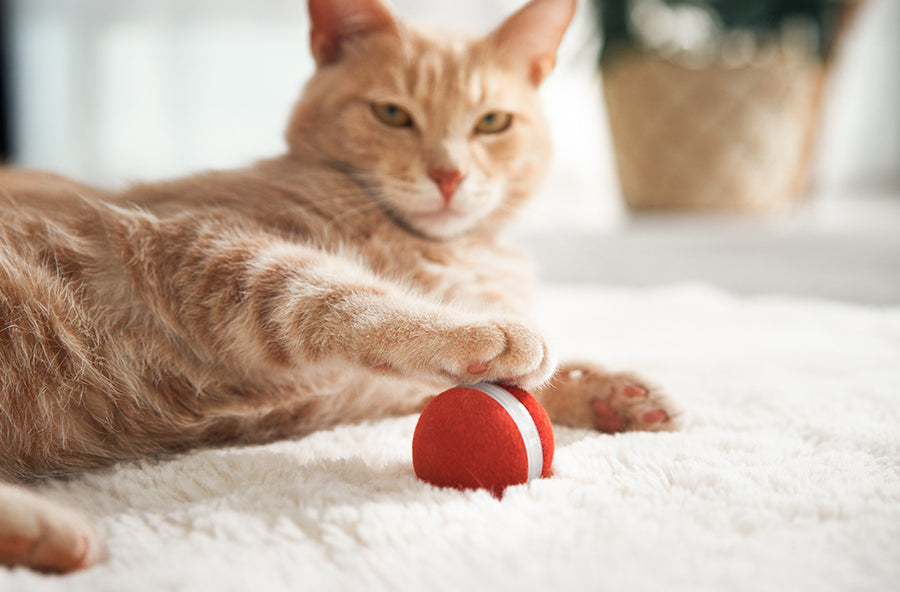

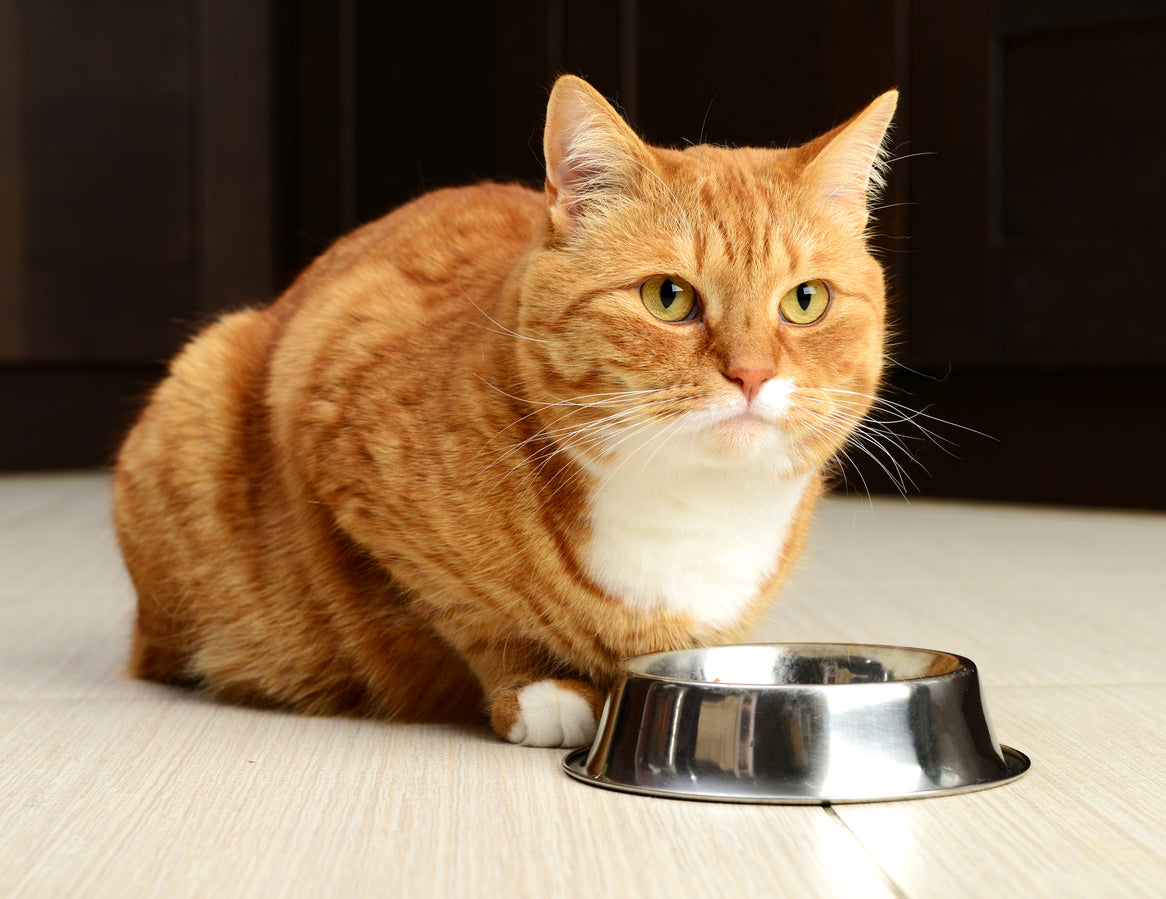
Watching your cat push their food around the bowl while ignoring it is frustrating. Are they just picky, or is something else going on?
Understanding Your Cat's Eating Habits
As a cat owner, you may have encountered that familiar scenario: your feline friend eagerly approaches their food bowl only to sniff and walk away. This behavior can stir up feelings of anxiety and confusion, especially when you have concerns about whether your kitty is getting enough nutrition. The truth is, cats can be picky eaters, and their food preferences can change unexpectedly. Whether it's a texture issue, a dislike of a particular flavor, or simply mood swings, understanding these habits is key to ensuring your fur baby stays healthy.
But it’s not just about being picky. Sometimes, cats exhibit food hoarding behavior where they seem to stockpile and protect their food instead of eating it. This instinctual behavior harks back to their wild ancestors who would save food for later in case of scarcity. However, overindulging in this habit can lead to serious health issues, including obesity and malnutrition. As responsible pet owners, recognizing these patterns can help us support our cats better.
What Causes Food Hoarding?
There are several reasons why your cat may be hoarding food. Here are some common causes:
1. Health Issues
Sometimes, underlying health problems can affect your cat's appetite, leading them to behave oddly around their food. Conditions such as dental issues or gastrointestinal problems may make eating uncomfortable. Always consult your veterinarian if you notice drastic changes in your cat's eating habits.
2. Environmental Stressors
New environments, changes in the household (like moving or new pets), or even loud noises can stress your cat. This stress might manifest as food hoarding, as they feel the need to secure their resources. Ensuring a calm, familiar environment is crucial for your cat's well-being.

How to Manage Your Cat's Eating Habits
Managing your cat’s eating habits requires a multi-pronged approach. Here are some strategies to consider:
1. Monitor Food Portions
Using measuring cups to serve the right amount of food can prevent overeating and ensure your cat gets the nutrition they need. Many pet owners find they inadvertently overfeed their cats, which contributes to food hoarding and weight gain.
2. Use a Suitable Feeder
An interactive solution can help. Consider introducing something like the Match G1, designed to recognize your pet and dispense food automatically. This smart cat feeder not only regulates portions according to your cat's needs but also adds an element of play to mealtime, encouraging your cat to eat when they should.
Additional Tips for Encouraging Healthy Eating
In addition to monitoring portions and using feeders, there are a few more tips to encourage healthy eating habits.
1. Create a Feeding Schedule
Cats thrive on routine. Establishing a regular feeding schedule can help your cat anticipate mealtime, reducing anxiety and encouraging them to eat actively.
2. Incorporate Variety
Just like us, cats can become bored with the same flavor or type of food day after day. Offering a range of foods can stimulate their appetite and keep mealtime exciting.

Conclusion
Understanding your cat’s feeding habits is essential in nurturing a healthy, happy pet. By being attentive to their needs and behaviors, you can help reduce food hoarding and ensure they receive the right nutrition. The Match G1 makes it easy to manage your cat’s feeding routine while incorporating fun into their diet. Remember, a happy cat means a happy owner!
Further Reading
For more tips on pet care, check out these articles:

Leave a comment
All comments are moderated before being published.
This site is protected by hCaptcha and the hCaptcha Privacy Policy and Terms of Service apply.