










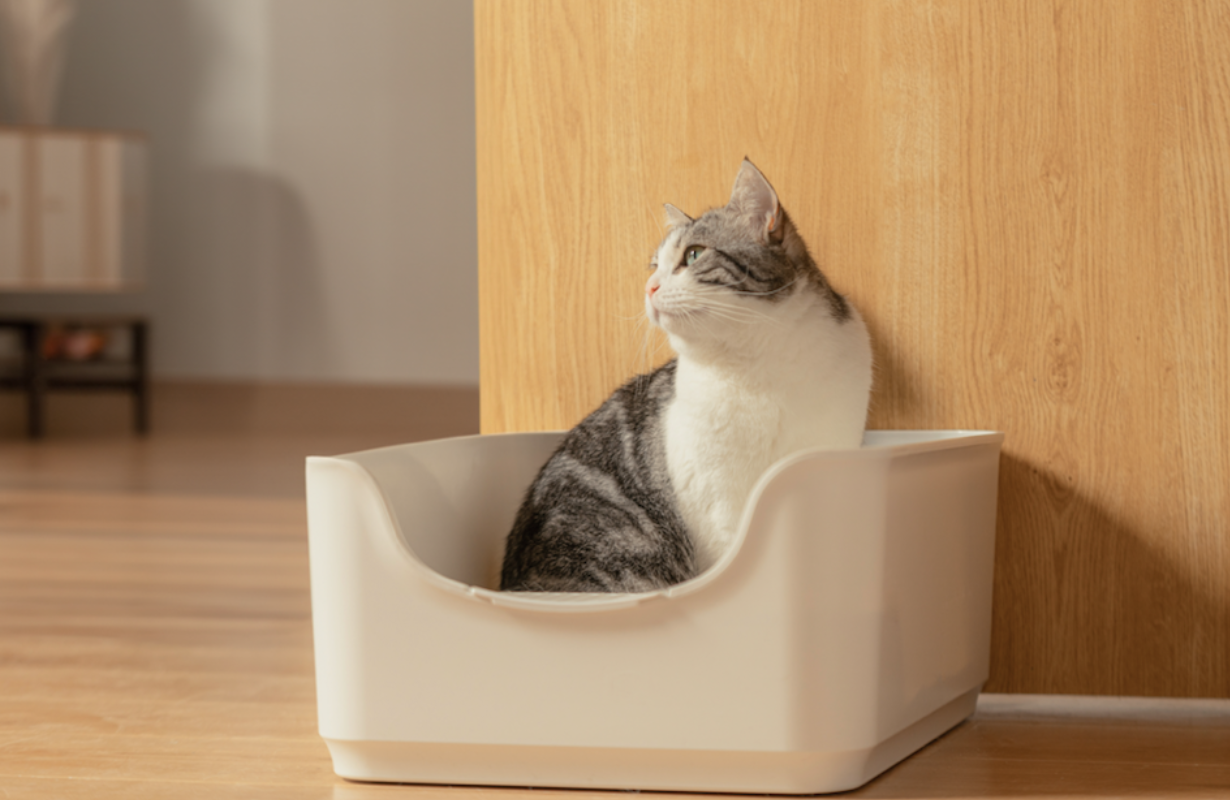
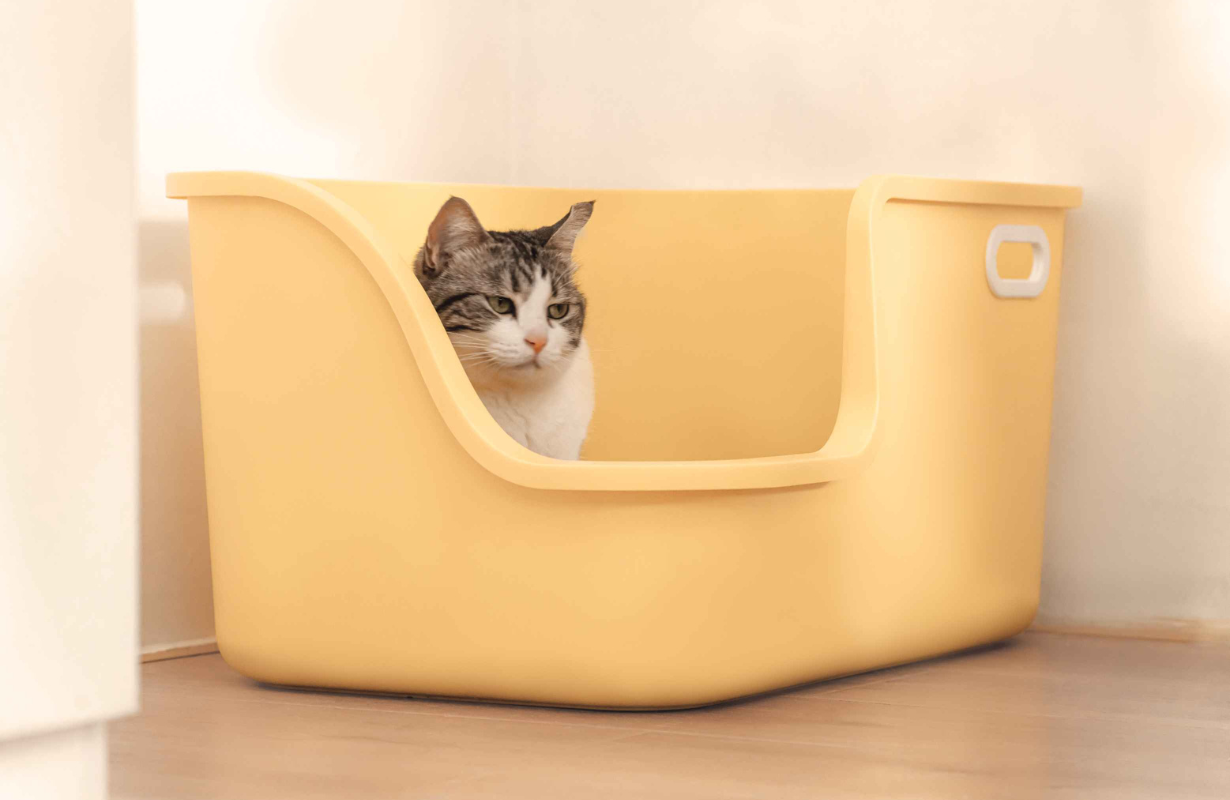
Cat urine and feces can pose health risks, but exposure matters. A strong litter box smell, irritation from ammonia, and an infection are different problems. Understanding the difference helps you respond without treating every unpleasant odor as a medical emergency.
Start with a clean litter area and good hand hygiene. Never mix bleach with urine, ammonia, or other cleaning products. If fumes cause breathing difficulty, leave the area and seek urgent medical help.
Can cat urine make you sick?
Ammonia can irritate the eyes and airways at sufficiently high concentrations. The CDC's ammonia guidance explains that effects depend on the amount, duration, and route of exposure; people with asthma or other chronic lung conditions may be more sensitive.
That does not mean a normally maintained litter box is equivalent to a chemical spill. Smell alone cannot tell you the concentration of a gas or diagnose the cause of symptoms. These exposure risks do not mean that living with a cat inevitably causes chronic respiratory disease.
How cat feces can spread infections
Some infections involve accidentally swallowing germs after contact with contaminated feces, soil, food, or surfaces. For example, toxoplasmosis is caused by a parasite, not a bacterium or virus. Contaminated food and accidental ingestion of material containing the parasite are relevant exposure routes. Simply noticing litter odor does not establish an infection.
Scratches and bites are a separate route of exposure. The CDC's guidance on staying healthy around cats addresses these alongside litter hygiene. A scratch-related illness should not be presented as something you catch by smelling cat urine.


A practical cleanup routine
- Keep children away from the cleanup area and use disposable gloves when handling waste.
- Remove feces and soiled litter daily. Bag the waste and follow local disposal guidance.
- Clean the box and any soiled surfaces using a method suitable for their materials. Follow the cleaning product's label, including any rinsing and drying instructions.
- Keep cats away while you clean and until the area is ready for them to return. Never combine cleaning products or pour bleach onto urine.
- Wash your hands with soap and water afterward, even when you used gloves or a scoop.
The CDC recommends daily litter cleanup to help prevent toxoplasmosis: the parasite generally takes one to five days after being shed in feces to become infectious. This is a parasite-specific timeline, not a rule for all germs or a claim about how quickly urine starts smelling.
For persistent household smells, work through our litter box odor troubleshooting guide. An odor-control product cannot replace waste removal or be assumed to prevent infection.

Pregnancy and weakened immunity
If you are pregnant or have a weakened immune system, the CDC advises having someone else clean the litter box when possible. If that is not possible, use disposable gloves and wash your hands afterward. Discuss personal exposure concerns with your healthcare professional.
When to get medical help
If cleaning fumes cause irritation, stop cleaning and move to fresh air. Seek urgent help for difficulty breathing or severe symptoms. In the United States, Poison Control is available at 1-800-222-1222; outside the US, contact your local poison information service. Explain what products were used and whether any were mixed.
A litter routine should make the home easier to care for, not leave you guessing about symptoms. Keep cleaning and health decisions separate: fix the source of the mess, and get medical advice when exposure or symptoms warrant it.


Leave a comment
All comments are moderated before being published.
This site is protected by hCaptcha and the hCaptcha Privacy Policy and Terms of Service apply.