







Quick answer: There is no reliable evidence that a fixed percentage of all cats are “chronically dehydrated.” Cats often drink small amounts from a bowl—especially when they eat moisture-rich food—but bowl visits alone do not reveal total water intake or diagnose dehydration. Look at food moisture, normal drinking and urination patterns, and changes in appetite or behavior. Contact a veterinarian if a change is sudden or your cat seems unwell.
The idea that most cats live in a constant state of dehydration appears often online. It sounds plausible because domestic cats descended from animals adapted to dry environments, and many cats do not spend much time at a water bowl. But that observation is not the same as a clinical diagnosis.
This guide separates what available evidence can show from what it cannot. It also explains how to judge your own cat’s routine without relying on a dramatic percentage.
Are cats chronically dehydrated?
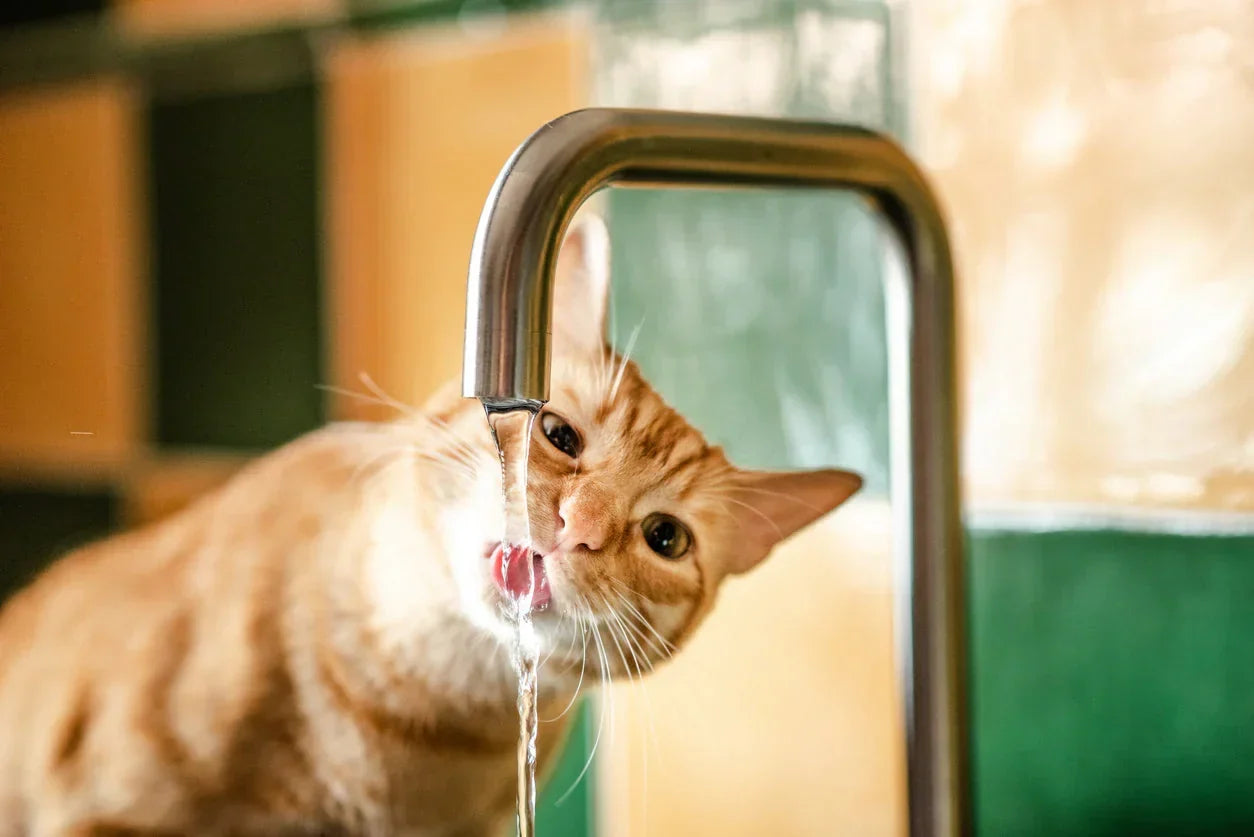
Not necessarily. A cat can visit the bowl infrequently and still obtain substantial water from food. Conversely, a cat can drink more than usual because the body is losing extra water through urine. Neither pattern should be interpreted without context.
Cornell Feline Health Center explains that water supports temperature regulation, digestion, circulation and waste removal. Cornell also notes that wet food and multiple fresh water sources can help increase water intake. It does not support a claim that 50%, 80% or any other fixed share of all cats is chronically dehydrated.
Dehydration is a physical state caused when water loss exceeds replacement. Determining whether a cat is dehydrated can require history, examination and, in some cases, laboratory testing. It should not be inferred from ancestry, food type or bowl use alone.
| Common claim | What the evidence supports |
|---|---|
| Most cats are chronically dehydrated. | No universal prevalence figure applies to all cats. Hydration depends on diet, health, environment and individual behavior. |
| A cat that rarely drinks from a bowl is dehydrated. | Food may provide much of the cat’s total water. A change from the cat’s usual pattern is more informative than bowl visits alone. |
| Every cat drinks more from a fountain. | Preferences vary. A fountain can be offered as an additional source, but it is not guaranteed to change intake. |
| More drinking always means better hydration. | A noticeable increase can be a warning sign of water loss or illness and deserves veterinary assessment. |
Why food changes the picture
Total water intake includes water in food as well as water lapped from a bowl or fountain. This distinction explains why two healthy cats can have very different drinking routines.
Wet foods contain far more moisture than dry foods. A cat eating mainly wet food may make fewer visible trips to the bowl while still taking in water through meals. A cat eating dry food must obtain a larger proportion from separate water sources. That does not make either diet automatically right for every cat; nutritional needs, preferences and medical conditions differ.
If you want to estimate intake, use the process in How Much Water Does Your Cat Really Need Daily? and include food moisture. Do not use one online number as a diagnosis. Your veterinarian can interpret intake in relation to body weight, diet, urine output, medications and health history.

Why cats may appear to drink very little
Some cats prefer quiet water locations, wide bowls or water placed away from food and litter. Others accept moving water, while some prefer a familiar still bowl. Multi-cat competition, an inaccessible location, stale water, noise or a recently changed container can also affect use.
These are practical possibilities, not proof of a biological “defect.” For a deeper explanation of thirst, food moisture and the limits of water-source research, read Why Cats Don’t Drink Much Water: Feline Hydration Science.
How can you tell whether the pattern matters?
Start with change. A stable routine in a bright, active cat with normal appetite and urination is different from a sudden drop in drinking, a sudden increase, or a change accompanied by illness.
- Measure bowl or fountain use over 24 hours when practical, accounting for spills and other pets.
- Record the type and amount of food, including wet food or water added with veterinary approval.
- Watch appetite, energy, vomiting, diarrhea, weight and litter-box output.
- Provide clean water in more than one accessible location.
- Test one setup change at a time so you can see what your cat actually prefers.
Dry or tacky gums, weakness, marked lethargy, poor appetite, repeated vomiting or diarrhea, and sunken eyes are reasons to contact a veterinarian promptly. Home observations cannot confirm the cause. The guide to signs of dehydration in cats explains both warning signs and the limits of home checks.
When increased drinking is the warning sign
Drinking substantially more than usual is not evidence that a cat has become “better hydrated.” Kidney disease, diabetes, hyperthyroidism and other conditions can increase thirst or urine output. The cause cannot be identified from drinking behavior alone.
Arrange veterinary assessment when increased thirst persists, is clearly different from baseline, or occurs with increased urination, weight loss, appetite changes, vomiting or reduced activity. Senior cats may benefit from discussing an appropriate screening schedule with their veterinarian.
Safe ways to support normal hydration
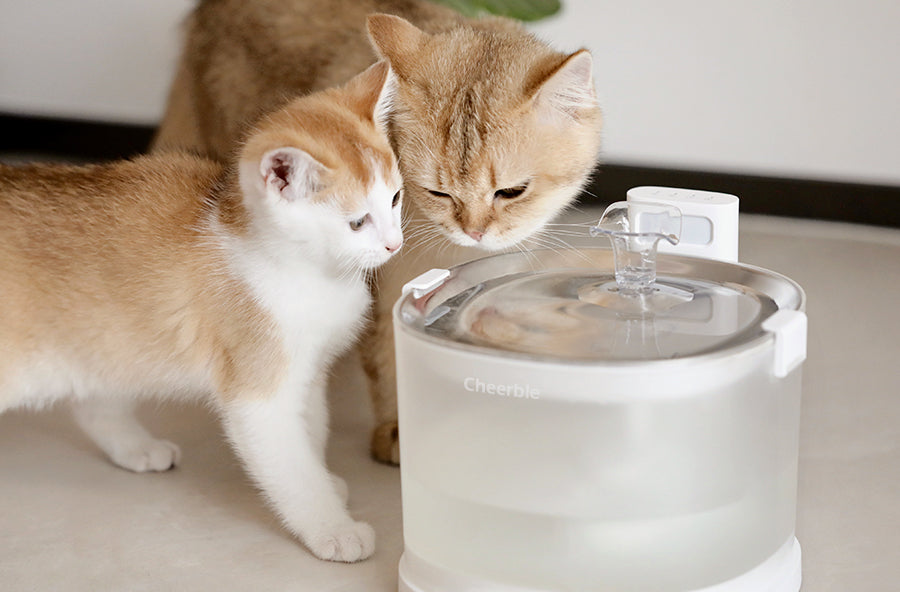
Keep fresh water continuously available. Offer a second location if access could be interrupted by another pet, stairs or household activity. Clean bowls and fountain parts according to their instructions, and keep a familiar bowl available when introducing a new source.
For eight practical options—including bowl placement, gradual fountain introduction and measuring the response—use How to Encourage Your Cat to Drink More Water. A fountain is one optional water source, not a cure, disease-prevention device or guaranteed preference.
Frequently asked questions
Are most cats dehydrated because they have a low thirst drive?
No single observation or prevalence figure establishes that most cats are clinically dehydrated. Evolutionary history may help explain drinking behavior, but diet, health and individual preference determine the practical picture.
Does eating wet food mean my cat does not need a water bowl?
No. Wet food contributes water, but cats should still have continuous access to fresh drinking water.
Is a fountain better than a bowl?
Not for every cat. A small controlled study of water presentation found individual variation rather than a universal fountain advantage. Offer choices and monitor what your cat uses.
Can I diagnose dehydration with a skin-pinch test?
No. Skin elasticity can be affected by age and body condition, and one home check cannot confirm hydration status or its cause. Contact a veterinarian when dehydration is suspected.
Should I syringe water if my cat will not drink?
Do not force water by syringe unless a veterinarian has shown you exactly how and instructed you to do it. Aspiration and stress are possible. A cat that is not drinking and seems unwell needs professional assessment.
Sources and further reading
- Cornell Feline Health Center: Hydration
- Journal of Feline Medicine and Surgery: Evaluation of water presentation methods
- International Cat Care: How to Encourage Your Cat to Drink
This educational guide does not replace veterinary diagnosis or treatment.

Leave a comment
All comments are moderated before being published.
This site is protected by hCaptcha and the hCaptcha Privacy Policy and Terms of Service apply.