







A litter box often smells because waste remains too long, the litter is saturated, or the box and surrounding area need cleaning. Start by finding where the smell is coming from. Adding fragrance can make a room smell different without solving the problem.
Changes in your cat's toileting need separate attention. If your cat strains and passes little or no urine, seek emergency veterinary care immediately. Do not wait to see whether cleaning the box helps.
Match the smell to the problem
Smell builds between scooping sessions. Check how much waste accumulates and whether every cat can reach a usable box. A routine that worked for one cat may need adjusting when another arrives.
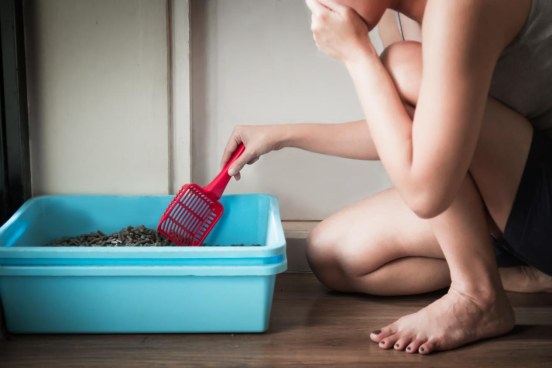
The box still smells after waste is removed. Look for wet litter stuck to the base, residue under the rim, and waste on the scoop or surrounding mat. Follow the litter maker's instructions for replacing saturated material.
A recently washed box still smells. Check the floor and nearby surfaces, then inspect the box for damage or residue that cannot be removed. Replace it when it can no longer be cleaned effectively. No material should be treated as permanently odor-proof.
Your cat avoids a clean box. Consider access, location, size, litter preference, and possible medical problems. Cornell's house-soiling guidance explains why these problems need more than a deodorizer. Do not punish your cat for toileting elsewhere.

Build a routine your cat will use
Scoop daily and check the box more often when it is heavily used. Clean the container regularly, rinse it thoroughly, and let it dry before refilling. Follow the box and litter instructions rather than imposing one replacement schedule on every litter type.
The AAHA/AAFP litter box guidance emphasizes accessible, quiet locations, daily scooping, and individual litter preferences. It advises avoiding strong chemicals. If testing a different litter, offer a separate box so your cat has a choice.
Choose enough space for turning and digging, with an entrance your cat can manage. A covered box may suit some cats but be rejected by others. Watch actual use rather than choosing solely around how well a box hides the litter from you.

How many litter boxes does a multi-cat home need?
The usual AAHA/AAFP starting point is one box per cat plus one extra, distributed in different locations. Known social groupings can affect the arrangement. Three boxes together do not offer the same choice of location as boxes in separate accessible areas.
When a change needs a veterinarian
Odor alone cannot diagnose kidney disease, diabetes, or an infection. Note what else has changed: urine amount, repeated trips, blood, discomfort, stool consistency, or toileting outside the box. Tell your veterinarian when the change started and whether food or litter changed too.
Cornell identifies urethral obstruction as an emergency. Straining with little or no urine needs immediate treatment, especially when the cat becomes distressed.
Cleaning safety and common questions
Can I use bleach? Do not mix bleach with urine, ammonia, or other cleaners. Follow product instructions and keep pets away during cleaning. Our guide to cat waste exposure and safe cleanup covers the human-health side.
Should I change my cat's food? Avoid choosing food by price or an ingredient slogan to solve odor. If stool changes persist, discuss the diet and symptoms with your veterinarian.
Do I need an odor-control gadget? Start with waste removal, clean equipment, and a box setup your cat accepts. Evaluate an optional product against its actual instructions and evidence. A pleasant smell does not prove that a surface is clean or a health risk has been removed.
Make one practical change at a time when your cat is otherwise well, and watch the result. The useful outcome is a clean, accessible box that your cat keeps using comfortably.



Leave a comment
All comments are moderated before being published.
This site is protected by hCaptcha and the hCaptcha Privacy Policy and Terms of Service apply.