








In the past, pet healthcare was often reactive. We waited for visible symptoms before taking action.
Today, we are moving toward a model of continuous awareness. By maintaining consistent records, you create a baseline for your cat’s unique habits. These records act as an early warning system. They allow you to detect subtle shifts in behavior long before they escalate into serious medical emergencies.
The Shift from Observation to Objective Records
We notice when a food bowl is empty, but we rarely know the fine details of the meal. We don't always know who ate what, at what time, or how long they spent eating. In a multi-cat household, this lack of clarity is dangerous. One cat might be overeating and becoming obese, while another is losing their appetite entirely without being noticed.
The Limitations of Human Memory
Relying on memory during a stressful vet visit is incredibly difficult. Most owners struggle to pinpoint exactly when a behavior change started. "I think she’s eating less" is a common phrase, but it lacks the precision needed for a medical diagnosis.
Establishing a consistent habit of record-keeping removes this guesswork. Having a clear log of feeding frequency and duration allows you to answer a vet's questions with total confidence and accuracy.
Eating Patterns as Vital Signs
In modern veterinary medicine, experts are increasingly referring to behavior as a vital sign. Specifically, eating patterns are just as telling as heart rate or body temperature. Because a cat’s routine is typically rigid, any change in their "normal" is a clinical clue.
Deciphering the Silent Patient
Veterinarians deal with "silent patients." Cats are evolutionary masters at hiding pain to avoid appearing vulnerable. Objective data is the only way to bypass these natural instincts.
When a vet sees a verified log showing a 30% drop in feeding frequency, they can narrow down potential causes much faster. This leads to quicker, more accurate diagnoses and often reduces the need for expensive, broad-spectrum testing.
Early Detection of Silent Illnesses
Many chronic feline conditions, such as Hyperthyroidism or Chronic Kidney Disease (CKD), begin with microscopic changes in behavior. A cat might start visiting the food bowl more frequently but consuming less during each visit. Without a record of these frequencies, these changes go unnoticed for months. Data allows you to catch these "silent" signals in the early stages when treatment is most effective.

The Challenge of Accuracy in Multi Cat Homes
The complexity of pet care doubles with every cat you add to your home. In a multi-cat household, the biggest danger to accurate record-keeping is resource masking.
Solving the Mystery of Who Ate What
In a house with three cats, an empty bowl tells you nothing about individual health. To have actionable data for your vet, you must be able to isolate the records. You need to know that "Cat A" visited five times while "Cat B" only visited once. Without individualized tracking, your records are just a messy average that can hide a life-threatening lack of appetite in one specific pet.
Establishing Unique Baselines
Every cat has a different "normal." Some are "grazers" who eat small amounts all day, while others are "meal eaters" who finish everything at once. Data-driven parenting allows you to establish a unique baseline for each individual. When you know what is normal for a specific cat, a deviation becomes immediately obvious, even if the total food consumed in the house remains the same.
How to Effectively Track Your Cat's Nutrition
To provide your vet with useful data, your records must be consistent. Accurate tracking requires monitoring three key metrics to build a complete health profile:
- Frequency: You must track how often your cat visits the bowl. A sudden increase in visits can signal issues like hyperthyroidism, while a decrease often points to dental pain or nausea.
- Duration: How long your cat stays at the bowl is a critical indicator of appetite and comfort. A cat that lingers without eating or walks away after seconds is giving you a clinical clue.
- Amount Consumed: Knowing the exact volume of food intake is essential. This allows you to differentiate between a cat that is "playing" with their food and one that is actually meeting their nutritional needs.
The Advantage of Home Based Data
For data to be medically useful, it must reflect the cat's true state. Taking a cat to the vet often triggers stress, which can temporarily change their appetite. However, data gathered from a smart solution at home captures their natural behavior. It provides the most honest representation of their health, providing your vet with "real-world" evidence that a clinic visit cannot replicate.

Leveraging Technology for Precision Pet Care
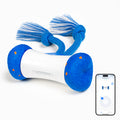
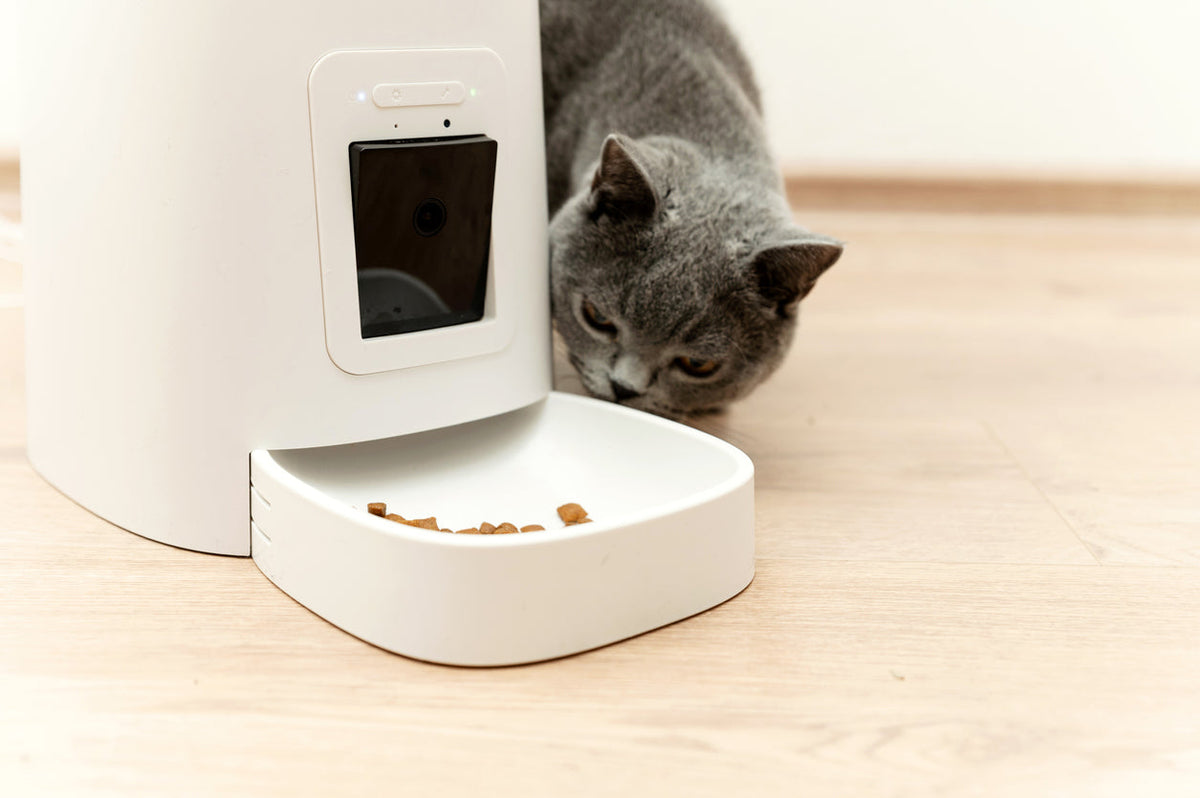
Manually tracking these metrics 24/7 is nearly impossible for modern pet parents. This is where smart feeding technology becomes an essential tool. These devices act as an automated health journal, capturing every interaction in real-time. By using identity-recognition technology, a smart feeder ensures that every data point is assigned to the correct cat, providing a clean stream of evidence that vets can rely on.
Bridging the Communication Gap with Facts
High-quality data transforms the relationship between a pet owner and a veterinarian into a true partnership. Imagine showing your vet a digital report that points to the exact day a feeding pattern shifted. This objective evidence helps the vet decide which tests or procedures are actually necessary, saving time and reducing the physical stress on your cat.
Monitoring Recovery and Diet Changes
Beyond diagnosis, smart technology is vital for post-surgery recovery or during a transition to a prescription diet. Your vet needs to know if the cat is accepting new food or if they are fasting in protest. Automated logs provide real-time feedback that manual observation might miss. If the data shows a cat hasn't accessed the feeder for an extended period, you can intervene immediately.
Manual Strategies for Emergency Tracking
If you are in a situation where automated technology is not yet available, you must use manual tracking methods to maintain your records. While less precise, they still offer more value than no data at all.
The Weigh-In and Visual Log
Use a digital scale to weigh your cat’s food at the start of the day and weigh the leftovers 24 hours later. By subtracting the remainder, you calculate the daily consumption. In multi-cat homes, this may require temporary separation during meals.
Additionally, take photos of the bowls to create a visual timeline of what was left behind. These manual efforts keep you in the habit of looking at the facts rather than making assumptions.

Conclusion Data as a Form of Love
Choosing a data-driven approach to pet parenting is a profound act of care. It means you are paying attention to the details that your cat cannot communicate. Whether you use a high-tech smart feeder or a manual journal, the goal is the same: to be a voice for your pet.
When you provide your vet with a clear history of feeding records, you are giving them the tools they need to succeed. You move from a place of uncertainty to a place of informed action. In the end, data isn't just numbers. It is a commitment to ensuring your cat lives a long, healthy, and supported life.
Disclaimer: The information provided in this article is for educational and informational purposes only and is not intended as a substitute for professional veterinary advice, diagnosis, or treatment. Always seek the advice of your veterinarian or other qualified pet health provider with any questions you may have regarding your cat's medical condition or dietary needs. Never disregard professional medical advice or delay in seeking it because of something you have read on this website.


Leave a comment
All comments are moderated before being published.
This site is protected by hCaptcha and the hCaptcha Privacy Policy and Terms of Service apply.