




To help keep a pet hydrated, provide fresh water every day, place water in several easy-to-reach locations, keep bowls clean, and consider moisture-rich food or a fountain if appropriate. Cats and dogs have different preferences, so watch for changes in their normal drinking pattern and contact a veterinarian if reduced drinking is sudden or accompanied by illness.
How to Keep Your Pet Hydrated
Hydration needs are not identical for every pet. Diet, activity, weather, age, body size, and health conditions can all affect how much water a cat or dog needs. Instead of relying on one universal number, make water easy to access and learn what is normal for your pet.
1. Provide Fresh Water Every Day
Replace stale water regularly and wash bowls before residue builds up. If your pet suddenly avoids a bowl, try fresh water first and check whether the bowl has an odor, film, or leftover food in it.
2. Set Up More Than One Water Station
Place water in quiet, accessible areas where your pet already spends time. Multiple stations can be useful in larger homes, homes with stairs, and households with more than one pet. Keep water away from litter boxes and other locations your pet may avoid.
3. Test the Bowl, Location, and Water Temperature
Some pets prefer a wide, shallow bowl; others may be comfortable with a deeper container. Stainless steel, ceramic, and glass are easier to inspect than scratched plastic, but regular cleaning matters with every material. A noisy appliance, busy hallway, or bowl that moves while a pet drinks can also discourage use.
4. Add Moisture Through Food When Appropriate
Wet food contributes water as part of a pet’s diet. For some pets, adding a small amount of water to food may also help, but diet changes should be gradual. Ask your veterinarian before changing a prescription diet or making food changes for a pet with kidney, heart, urinary, or digestive conditions.
5. Consider a Pet Fountain
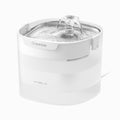
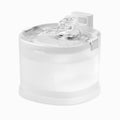
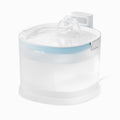
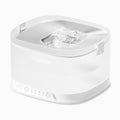
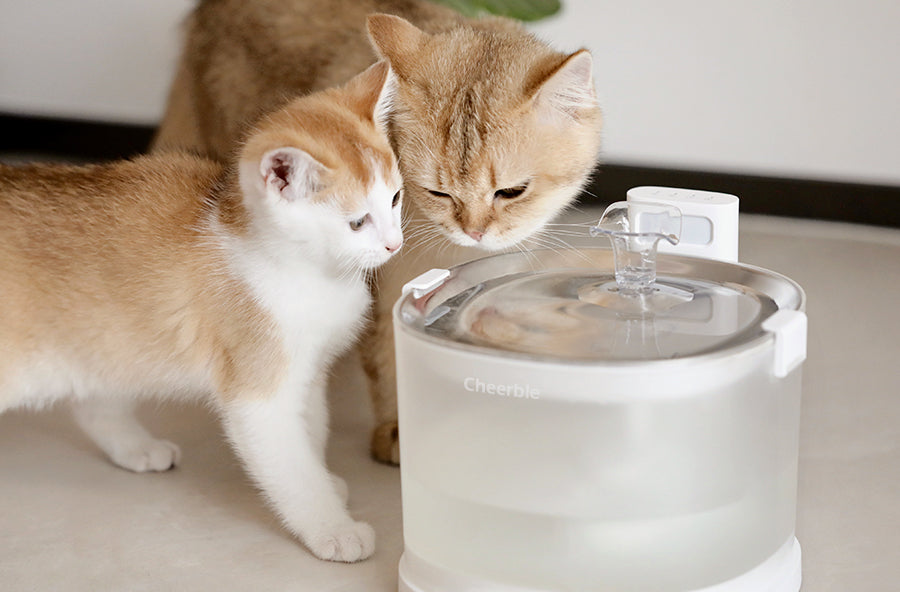
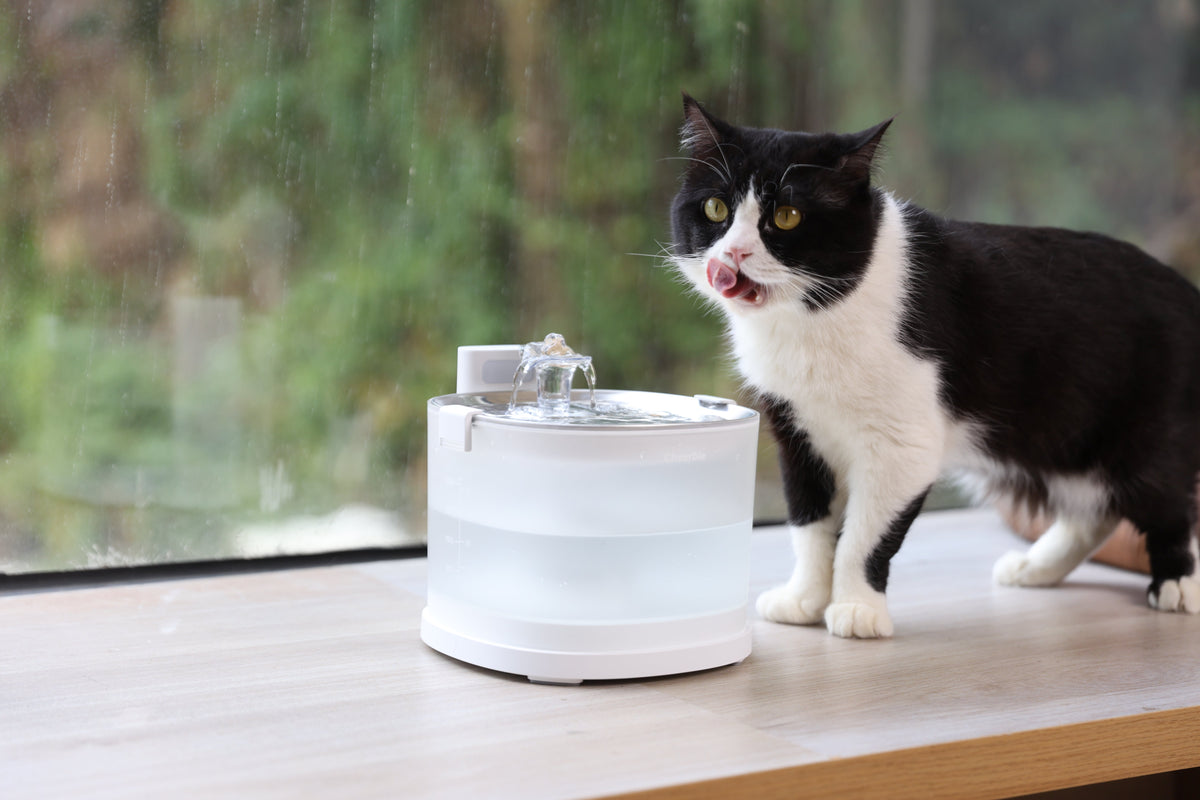
Some cats and dogs show more interest in moving water, while others prefer a still bowl. Introduce a fountain gradually and keep the familiar bowl available during the transition. A fountain still needs regular cleaning and fresh water; filtration and circulation do not replace routine maintenance.
If you are comparing options, see pet fountains versus bowls or browse Cheerble’s pet water fountains.
6. Monitor Changes, Not Just a Single Number
Pay attention to how often you refill the bowl, changes in appetite, urination, energy, vomiting, diarrhea, and unusually heavy panting. A sudden decrease or increase in drinking can matter even when you have not measured an exact volume.
Why Might a Pet Refuse to Drink Water?
A pet may drink less because the water is stale, the bowl is uncomfortable, the location feels unsafe, or moisture from food has changed. Reduced drinking can also occur with dental pain, nausea, fever, mobility problems, stress, or other illness. A fountain may solve a preference problem, but it should not be treated as a remedy for an unexplained health change.
| Possible factor | What you can check safely | When to seek advice |
|---|---|---|
| Water freshness or taste | Replace the water and clean the bowl | If refusal continues despite fresh water |
| Bowl or location | Try a stable bowl in a quiet, accessible place | If pain or difficulty bending is possible |
| Diet change | Note whether wet-food intake has changed | Before changing a prescription or therapeutic diet |
| Vomiting, diarrhea, heat, or illness | Observe symptoms and normal behavior | Contact a veterinarian promptly |
Hydration Considerations for Cats and Dogs
| Consideration | Cats | Dogs |
|---|---|---|
| Food moisture | Wet food can provide a meaningful portion of total water intake | Food moisture also contributes, but the amount varies by diet |
| Water setup | Some cats prefer water separated from food and litter areas | Easy access is especially important after exercise and in warm weather |
| Fountain preference | Moving water may interest some cats | Some dogs prefer a larger, stable drinking area |
| Important change | Watch for changes in both drinking and urination | Watch for reduced drinking, heavy panting, vomiting, or diarrhea |
When Should You Contact a Veterinarian?
Seek veterinary advice when a pet stops drinking, cannot keep water down, or has reduced drinking together with vomiting, diarrhea, weakness, lethargy, dry or tacky gums, unusual urination, pain, or suspected heat illness. Do not force water by syringe or give electrolyte products unless a veterinarian directs you to do so.
Home observations can help you notice a change, but they cannot determine the cause or severity of dehydration. The Merck Veterinary Manual explains how veterinarians assess hydration and circulation when evaluating emergencies. For cat-specific background, see the Cornell Feline Health Center’s hydration guidance.
Frequently Asked Questions
How often should I replace my pet’s water?
Provide fresh water daily and replace it sooner if it contains food, hair, dust, or visible residue. Wash bowls and fountain components regularly according to their care instructions.
Will a pet fountain make every pet drink more?
No. Some pets prefer moving water, while others prefer a still bowl. Introduce a fountain gradually, keep another water source available, and focus on cleaning and placement rather than assuming a fountain will solve every drinking problem.
Can wet food help with hydration?
Wet food contains more moisture than dry food and can contribute to overall water intake. Ask your veterinarian before changing diets for a pet with a medical condition or a prescription feeding plan.
Can I add broth or flavoring to the water?
Do not add ordinary human broth without checking the ingredients; it may contain excessive sodium, onion, garlic, or other ingredients unsuitable for pets. Ask your veterinarian about an appropriate pet-safe option, and always keep plain water available.
What if my pet suddenly stops drinking?
A sudden change can be more important than an estimated daily amount. Contact your veterinarian, especially if your pet also has vomiting, diarrhea, weakness, pain, appetite loss, abnormal urination, or heat exposure.


Leave a comment
All comments are moderated before being published.
This site is protected by hCaptcha and the hCaptcha Privacy Policy and Terms of Service apply.