






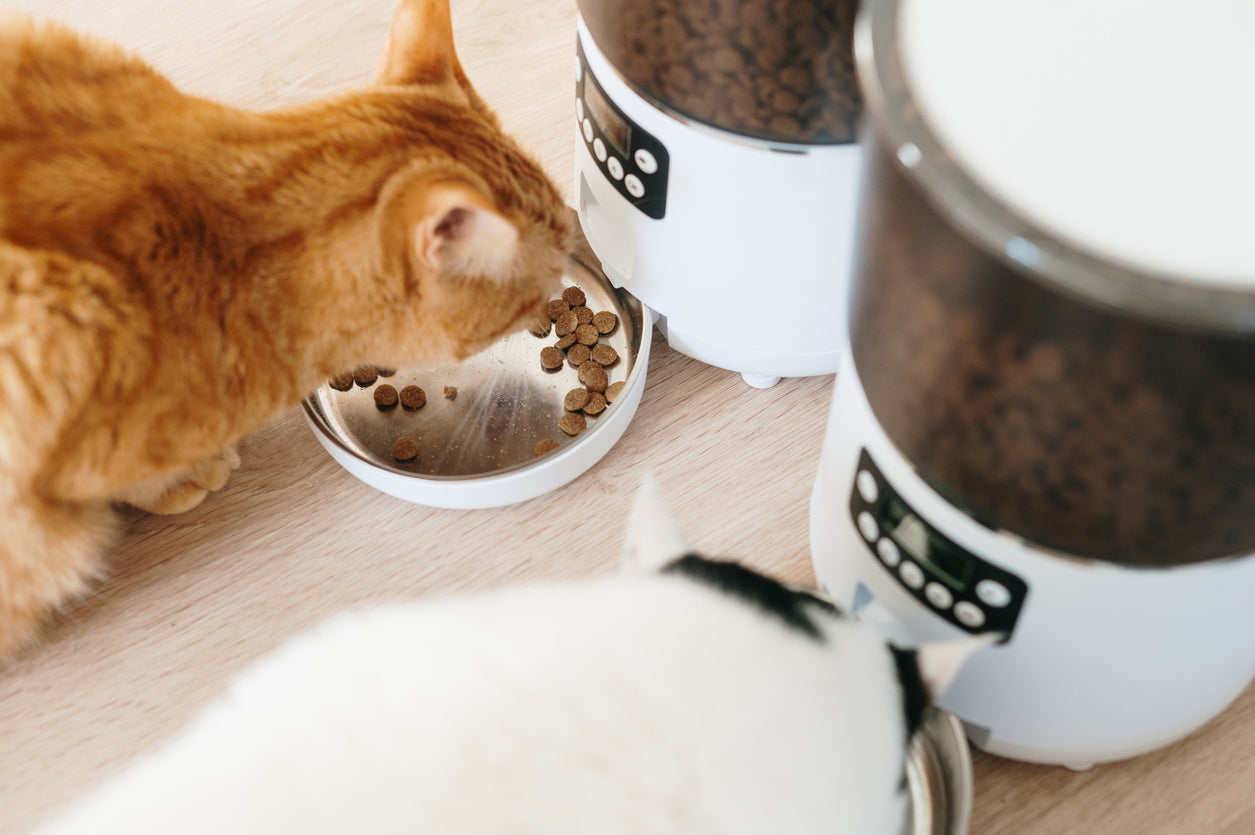
Making the switch to an automatic cat feeder can be a game-changer for both you and your feline friend. It simplifies meal times, provides consistent portions, and can even help in managing your cat’s weight. However, transitioning your cat from traditional feeding methods to an automatic feeder can often present its challenges. Understanding how to approach this change is crucial to ensure a smooth transition.
Many pet owners struggle with their cats being picky or suspicious of new feeding setups. Some cats are creatures of habit, and altering their routine can lead to anxiety or reluctance to eat. Therefore, it’s essential to go about this transition gradually and thoughtfully.
Step-by-Step Guide to Transitioning Your Cat
Here’s a simple guide to help you ease your cat into the change without too much fuss:
1. Choose the Right Automatic Feeder
Selecting a feeder that best suits your cat's needs is the first step. Look for features that would benefit your household, such as:
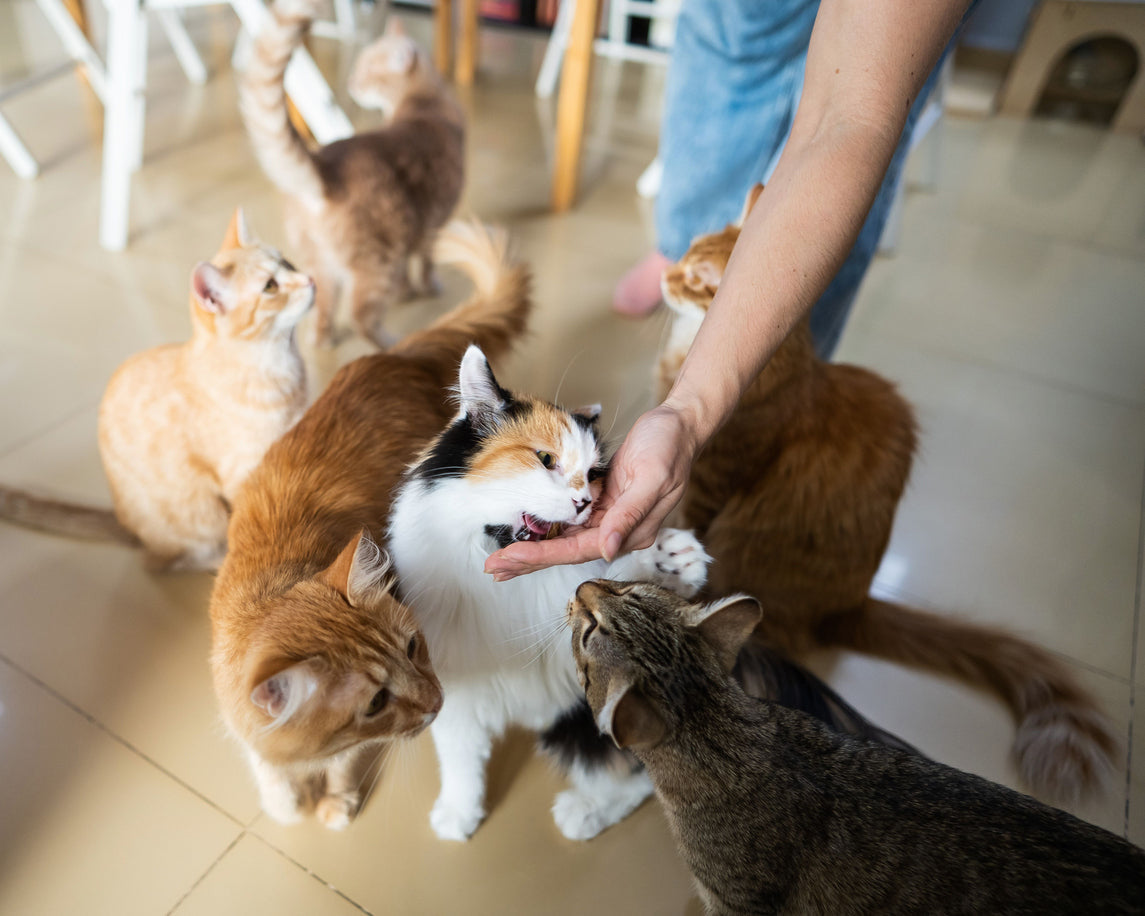
- Multi-pet functionality: If you have more than one cat, opt for a smart cat feeder designed for multiple pets. The Match G1 is great as it uses facial recognition to identify and feed each cat individually.
- Time control: You can set the feeding schedule on the app so that your pets can eat even though you are away from home.

2. Introduce the Feeder Gradually
Once you have the right feeder, it’s time to introduce it to your cat. Here’s how to do that effectively:
- Place the new feeder next to the existing food bowl for a few days. Let your cat explore it without feeling pressured to use it.
- Start by manually filling the automatic feeder and running it on a schedule your cat is used to.
- Gradually introduce their regular feeding routine, allowing some opportunities to eat from the automatic feeder.
- Observe how your cat interacts with the feeder; patience is key during this phase. If they seem hesitant, give them more time.
3. Monitor and Adjust
Keep an eye on how your cat is adjusting to the new feeding rules. Look for signs such as:
- Eating regularly: Ensure they are using the feeder as intended.
- Behavior changes: Any signs of stress or unease should prompt a reassessment of the transition process.
4. Encourage Usage
If your cat is still hesitant, you might try:
- Mixing their favorite treats with their usual food in the feeder.
- Feeding them manually from the feeder at first to build a positive association.
The Match G1 provides reassurance with its intelligent design. It identifies your pets through facial recognition, offering customized meal portions that cater to each cat’s dietary requirements.
Conclusion
Transitioning to an automatic feeder doesn’t have to be a stressful experience for you or your cat. By choosing the right device and introducing it gradually, you can make mealtime a positive and enjoyable ritual. With patience and consistency, your cat will soon be happily eating from their new automatic feeder.
Make mealtime more convenient and less stressful for your feline friend with the Match G1. Happy feeding!
More Resources
For further insights on automatic feeders and tips on maintaining a healthy feeding routine for your cat, check out these articles:

Leave a comment
All comments are moderated before being published.
This site is protected by hCaptcha and the hCaptcha Privacy Policy and Terms of Service apply.