



Last updated: September 2026
To encourage a cat to drink more water, offer fresh water in several quiet locations, use clean wide bowls, separate water from food and litter, and test a fountain gradually while keeping a familiar bowl available. Wet food can also increase total water intake. If drinking has suddenly decreased or your cat seems unwell, contact a veterinarian first.
Before changing the water setup
Make sure this is a preference problem rather than a medical change. A cat that has suddenly stopped drinking, is eating less, seems weak, vomits repeatedly, or shows litter-box changes needs veterinary advice. Read why a cat may stop drinking and which warning signs matter before relying on home adjustments.
Eight safe ways to encourage your cat to drink more
1. Put water in more than one location
Place bowls in quiet, accessible areas where your cat can approach and leave without feeling cornered. Multiple stations are especially useful in homes with more than one pet because one animal may discourage another from using a shared bowl.
2. Keep water away from food and litter
International Cat Care recommends separating water from food and choosing a location away from busy doors, noisy machinery, and litter areas. Test a new location without immediately removing the familiar one.
3. Try a wide, shallow bowl
A wide container lets a cat drink without placing the whole head inside. International Cat Care notes that many cats prefer wide, shallow bowls and recommends experimenting with glass or ceramic rather than assuming one material suits every cat.
4. Refresh the water and clean the container
Replace water regularly and wash bowls or fountain parts according to their care instructions. Rinse away detergent residue. If you change several variables at once, you will not know whether freshness, location, material, or movement made the difference.
5. Test still and moving water
Some cats prefer a bowl; others show more interest in moving water. Cornell’s Feline Health Center says fountains increase intake for some cats but that preferences vary. A fountain should add a choice, not remove access to still water during the trial.
6. Introduce a fountain gradually
- Place the unplugged fountain near—but not directly beside—the familiar bowl.
- Let your cat investigate it without pressure.
- Add water and keep the familiar bowl available.
- Turn on the flow for short periods once the cat is comfortable.
- Watch which source the cat chooses over several days.
Do not carry or force your cat toward the fountain. Noise, vibration, flow height, and location can all influence preference.
7. Increase food moisture when appropriate
Wet food contributes water, and Cornell lists feeding wet food or adding water to food as ways to increase intake. Make dietary changes gradually. If your cat has kidney disease, urinary disease, diabetes, food allergies, or a prescribed diet, ask the veterinary team before altering food or adding flavorings.
8. Measure the response
Track the water offered, what remains, food type, appetite, and litter-box pattern. Allow for spills and evaporation. The goal is not to force every cat to meet one visible bowl number; it is to notice whether a safe change improves the cat’s normal pattern.
Which option should you try first?
| Situation | First test | What to keep in place |
|---|---|---|
| Water is beside food or litter | Add a bowl in a quiet separate location | Keep the original bowl during the test |
| Your cat touches the sides of a deep bowl | Try a wide, shallow glass or ceramic bowl | Use the same water at first |
| Water becomes dirty quickly | Refresh it more often and clean the container | Maintain multiple accessible stations |
| Your cat watches taps or moving water | Introduce a fountain gradually | Keep a still-water bowl available |
| Your cat eats mostly dry food | Ask whether wet food or added water suits the diet | Follow veterinary guidance for prescribed diets |
Bowls and fountains: neither is automatically better
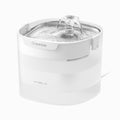
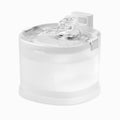
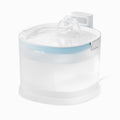
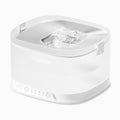
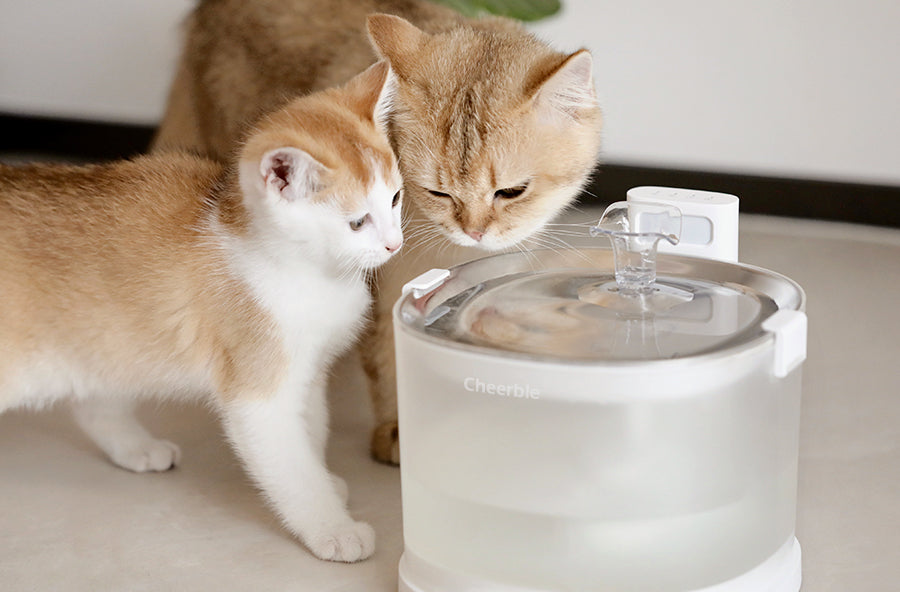
A clean bowl can be the best option for a cat that prefers still water. A cat water fountain can provide an additional moving-water option for a cat that shows that preference. The practical choice depends on what the cat uses consistently and what the household can clean and maintain correctly.
Do not describe a fountain as preventing urinary tract infections, kidney disease, crystals, or obstruction. Hydration support can be part of care, but a water device does not diagnose, prevent, or treat disease.
What not to do
- Do not force water into a resisting cat’s mouth without veterinary direction.
- Do not make an abrupt food change when a cat is already eating poorly.
- Do not add salty broth, supplements, or flavorings without checking ingredients and asking a veterinarian when health conditions are present.
- Do not remove every familiar water source on the day a fountain arrives.
- Do not wait on a home experiment if your cat has urgent symptoms.
When to call a veterinarian
Contact a veterinarian promptly if reduced drinking is sudden or occurs with weakness, lethargy, poor appetite, vomiting, diarrhea, dry or tacky gums, or sunken eyes. Cornell advises prompt veterinary contact when dehydration is suspected.
Repeated attempts to urinate, crying in the litter box, increasing distress, or passing little or no urine require emergency veterinary care. Cornell identifies urethral obstruction as an absolute emergency.
For symptom-focused guidance, read signs of dehydration and the limits of home checks. For dietary moisture, compare wet food and dry food.
Frequently asked questions
How can I get my cat to drink water from a bowl?
Start with fresh water in a clean, wide, shallow bowl in a quiet location away from food and litter. Add a second station before moving the original one. Test material, location, and freshness one at a time so you can see what your cat prefers.
Should I place cat water beside the food?
Try separating them. International Cat Care advises placing water away from food, and many cats benefit from having multiple water stations. The best setup is the one your cat can reach comfortably and uses consistently.
Is a fountain guaranteed to make a cat drink more?
No. Some cats prefer moving water and others prefer a bowl. Introduce a fountain gradually, keep still water available, and measure the response. A fountain is an optional water source, not a guaranteed behavior change or medical treatment.
Can I add water to cat food?
It can increase total water intake for some cats, but introduce changes gradually and make sure the cat continues to eat. Ask a veterinarian first when the cat has a health condition, food sensitivity, poor appetite, or prescribed diet.
What if my cat still will not drink?
If the behavior is new, persists despite fresh accessible water, or comes with appetite, energy, vomiting, diarrhea, mouth discomfort, or urination changes, contact a veterinarian. Do not keep escalating home methods while a possible illness goes unassessed.
Sources and further reading
- International Cat Care: How to Encourage Your Cat to Drink
- Cornell Feline Health Center: Hydration
- Cornell Feline Health Center: Feline Lower Urinary Tract Disease
This educational guide does not replace veterinary diagnosis or treatment.


Leave a comment
All comments are moderated before being published.
This site is protected by hCaptcha and the hCaptcha Privacy Policy and Terms of Service apply.