










Quick answer: A senior cat that starts drinking or urinating more needs veterinary assessment. Chronic kidney disease (CKD) is one possible cause, but diabetes, hyperthyroidism, medications and other conditions can produce similar changes. Drinking behavior alone cannot diagnose CKD. If CKD is confirmed, continuous access to fresh water and an individualized veterinary plan can support hydration; a fountain is only an optional water source, not a treatment.
It is easy to dismiss extra drinking as part of getting older. It is also easy to make the opposite mistake and assume that every thirsty senior cat has kidney disease. The safest response lies between those extremes: record the change and arrange an appropriate veterinary evaluation.
What does increased thirst in a senior cat mean?
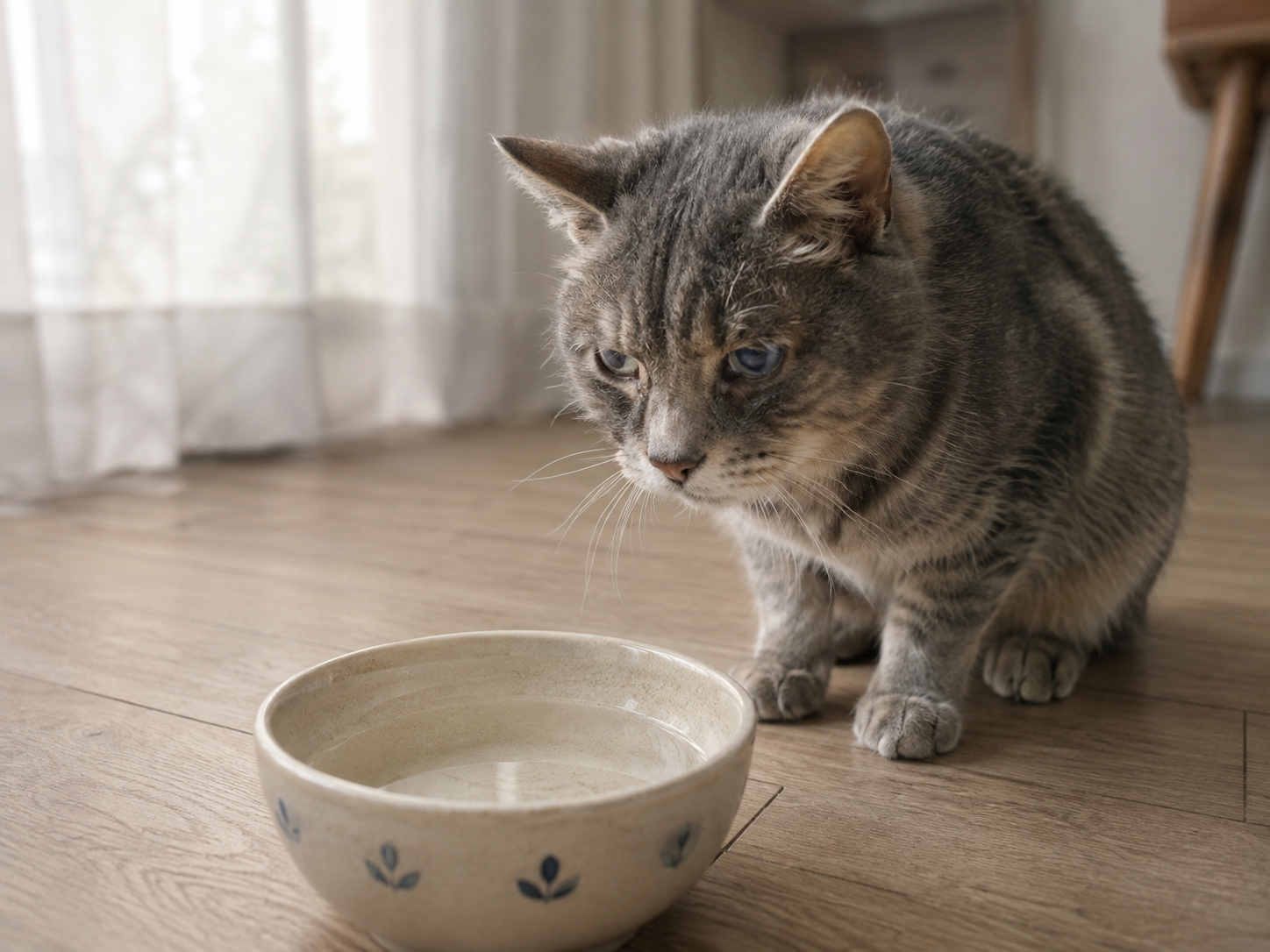
Increased thirst is a sign, not a diagnosis. Veterinarians often consider it together with increased urination because the two may occur when the body is losing more water through urine.
VCA Animal Hospitals lists kidney disease, diabetes mellitus, hyperthyroidism, liver disease, certain medications and other disorders among possible causes of increased thirst and urination. The list is a reminder that owners cannot determine the cause from a water bowl alone.
Make a veterinary appointment when the change is persistent or clearly different from your cat’s baseline. Tell the clinic about appetite, weight, urine output, vomiting, activity, diet and medications. Those details help the veterinarian decide how urgently the cat should be seen and which tests may be useful.
How common is CKD in older cats?
CKD becomes more common with age, but estimates vary with the population and diagnostic criteria. VCA’s chronic kidney failure overview cites estimates of 30%–40% among cats over 10 and 81% among cats over 15.
These population figures do not mean that a particular thirsty cat has a 30%, 40% or 81% chance of CKD. They support taking senior screening and new symptoms seriously, not diagnosing an individual by age.

Why CKD can change drinking and urination
Healthy kidneys help regulate water and remove waste while concentrating urine. As CKD progresses, the kidneys may lose some ability to concentrate urine. A cat can then produce a larger volume of more dilute urine and drink more in response to that loss.
This explains why a cat with CKD may be vulnerable to dehydration even while visiting the water bowl more often. It does not mean that extra drinking confirms the disease or tells you its stage.
Water should not be restricted in an attempt to reduce urination. Cats need continuous access to fresh water. If a veterinarian asks you to measure intake or urine output, follow the clinic’s instructions without limiting access.
How veterinarians evaluate possible CKD
A diagnosis usually requires more than one observation or laboratory number. The veterinarian may combine medical history, physical examination, blood pressure, blood tests and urinalysis. Depending on the findings, imaging, urine culture, repeat testing or other tests may be recommended.
| Information | Why it may matter | Important limit |
|---|---|---|
| Drinking and urination history | Shows whether the pattern has changed | Cannot identify the cause alone |
| Blood tests | Can assess kidney-related markers and other disease | Must be interpreted with hydration, muscle mass and other findings |
| Urinalysis | Assesses urine concentration and other abnormalities | One result may not establish chronic disease |
| Blood pressure and urine protein | Can help stage and manage confirmed CKD | Requires veterinary measurement and interpretation |
Cornell Feline Health Center explains that there is no single test that always provides the complete answer and that treatment is tailored to the individual cat. Earlier assessment can help the veterinary team identify CKD or a different cause and establish a baseline.
Warning signs that should not wait
Seek prompt veterinary advice if increased drinking or urination occurs with weight loss, reduced appetite, repeated vomiting, weakness, marked lethargy, bad breath, mouth ulcers or poor coat condition. A cat that cannot keep water down also needs timely care.
Straining to urinate, repeatedly entering the litter box while passing little or no urine, crying during attempts or becoming distressed may signal urinary obstruction. Treat this as an emergency, especially in a male cat. A fountain or extra bowl is not an appropriate response to an obstruction.
Supporting hydration after a CKD diagnosis
Once CKD has been diagnosed, the veterinary plan takes priority over general internet advice. The ISFM consensus guidelines on feline CKD discuss free access to water, multiple water sources and moisture-rich feeding among hydration-support options. The appropriate combination depends on stage, appetite, concurrent disease and the cat’s preferences.
Keep water continuously available
Place clean water where the cat can reach it without navigating difficult stairs or competing with another pet. Older cats with arthritis may benefit from sources on each commonly used floor. Keep water away from litter, and consider testing a separate position from food.
Offer choices without removing the familiar source
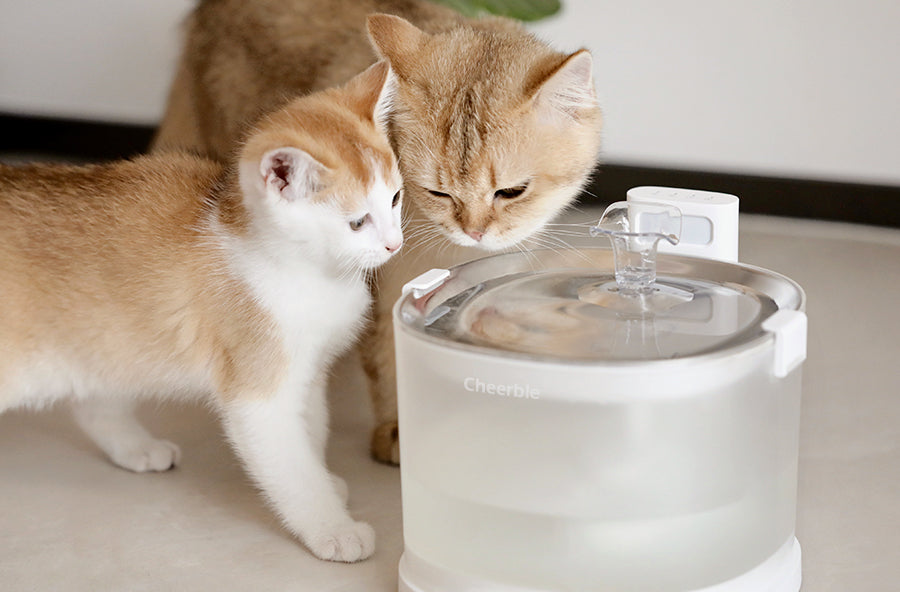
A wide bowl, a second bowl or moving water may appeal to different cats. Introduce one change at a time and keep the familiar bowl available. A fountain can improve access or preference for an individual cat, but it does not treat CKD and is not superior for every cat.
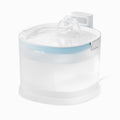
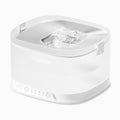
If moving water suits your cat, the Pet Fountain Elfin E1S has a stainless-steel water tray and dishwasher-safe components. The Elfin E1+ has a stainless-steel tray and 5000 mAh battery for cordless placement. These are product features, not medical benefits.

Discuss food moisture with the veterinary team
Therapeutic renal diets can be an important part of CKD management, and calorie intake matters. Do not replace a prescribed food or dilute meals so much that the cat refuses them without speaking to the veterinarian. The guide to wet food, dry food and total water intake provides general context, but it cannot replace a renal nutrition plan.
Use supplemental fluids only as prescribed
Some cats with CKD receive subcutaneous or intravenous fluids. The type, amount and timing must be decided by a veterinarian because needs and risks differ. Do not start fluids, electrolyte products or syringe-feeding water without direct veterinary instruction and training.
How to monitor at home
Your veterinary team may ask you to monitor weight, appetite, water use, vomiting, medication acceptance and litter-box output. Use the same scale and routine when possible, and record trends rather than reacting to one isolated day.
Never reduce available water to obtain a cleaner measurement. If multiple pets share bowls, tell the clinic that an exact individual amount is difficult to obtain. A practical record is still useful.
Frequently asked questions
Does a senior cat drinking more water mean kidney disease?
No. CKD is one possibility, but diabetes, hyperthyroidism, medication effects and other conditions can cause increased thirst. Veterinary evaluation is needed.
Can a cat water fountain treat CKD?
No. A fountain is an optional water source. It cannot repair kidney damage, change CKD stage or replace veterinary treatment.
Should I restrict water if my cat urinates frequently?
No. Keep fresh water available and contact your veterinarian. Restricting access can worsen dehydration risk.
Should every cat with CKD eat wet food?
Not automatically. Moisture can support total intake, but therapeutic nutrition, calories, preferences and other diseases must be considered. Follow the veterinary plan.
When are fluids needed?
Only a veterinarian can decide. Some cats do not need supplemental fluids, while others may need them at a particular stage or during an acute problem.
Sources and further reading
- VCA Animal Hospitals: Chronic Kidney Failure in Cats
- VCA Animal Hospitals: Testing for Increased Thirst and Urination
- Cornell Feline Health Center: Chronic Kidney Disease
- ISFM Consensus Guidelines on the Diagnosis and Management of Feline CKD
This educational guide does not replace veterinary diagnosis or treatment. Follow your veterinarian’s instructions for diet, fluids, medication and monitoring.


Leave a comment
All comments are moderated before being published.
This site is protected by hCaptcha and the hCaptcha Privacy Policy and Terms of Service apply.