




When it comes to feeding our beloved pets, the choice of feeding bowls is often overlooked, yet it can significantly impact their health and dining experience. Among the various materials available, stainless steel and plastic stand out as two of the most common options. But which one is better suited for your furry friend? This guide will take you through the pros and cons of each type to help you make an informed decision.
Both materials have their unique qualities, appealing to different pet owners based on their needs and preferences. Let's break down these two contenders to see how they fare against each other.
Here are important factors to consider when choosing between stainless steel and plastic pet bowls:
| Feature | Stainless Steel Bowls | Plastic Bowls |
|---|---|---|
| Durability | High - resistant to cracking | Medium - can scratch or break |
| Cleaning | Dishwasher safe, easy to sanitize | Can harbor bacteria, may warp in dishwasher |
| Weight | Heavy - prevents tipping | Light - can be easily knocked over |
| Aesthetics | Sleek, modern look | Variety of colors and designs |
Though plastic bowls may appeal due to their lightweight nature and attractive designs, the disadvantages, such as wear and potential bacterial buildup, can pose health risks. On the other hand, while stainless steel bowls may be costlier upfront, they can prove to be a better investment in the long run.
Now, let's delve deeper into the factors that matter most when making this decision.
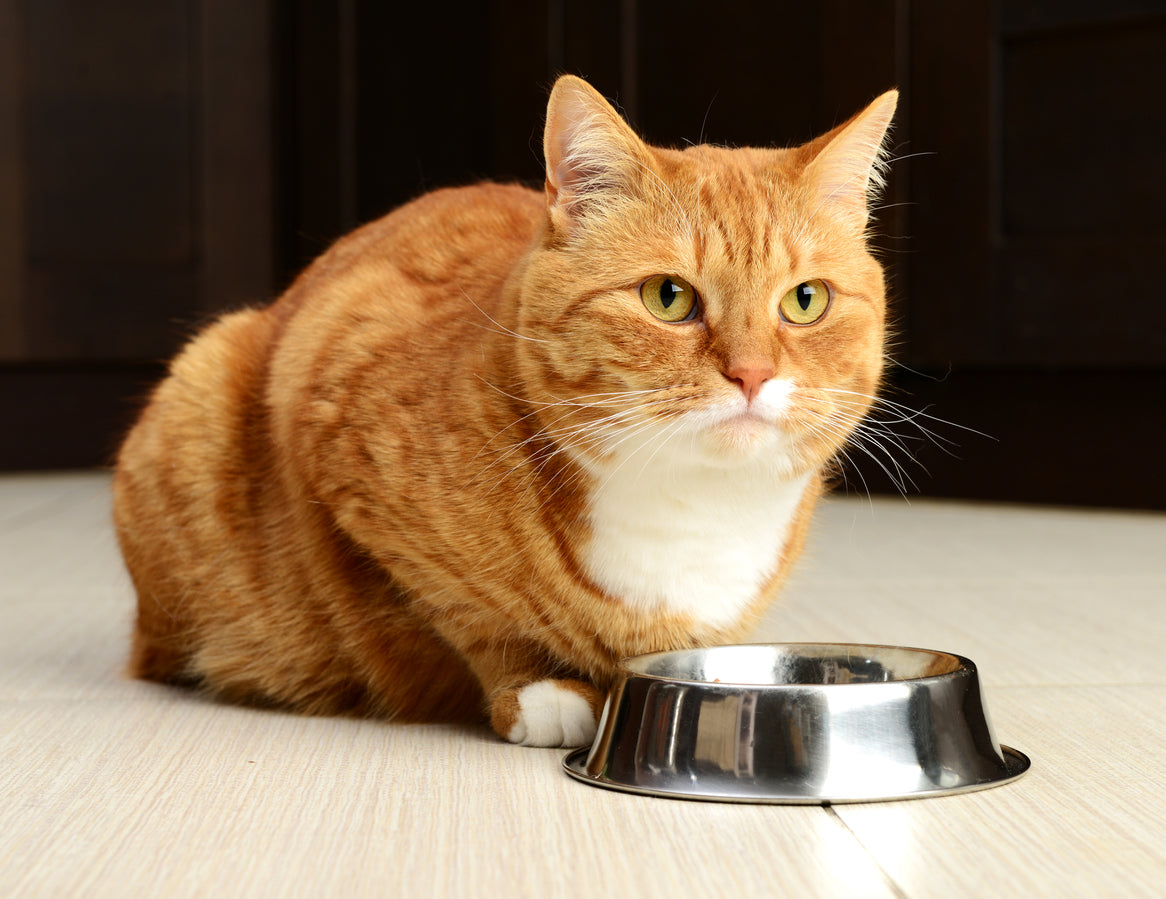
First and foremost, consider your pet's unique personality and habits. Is your pet a messy eater? A heavier bowl can help prevent spills. Do they have a tendency to chew or scratch at their bow? Plastic may not withstand that type of abuse. Lastly, think about your home's overall style— a stainless steel bowl offers a sleek, minimalistic look that can easily blend in with modern interiors.
Another crucial element to consider is your pet's health. Some pets, particularly those that are food or water-sensitive, may benefit more from a material like stainless steel that doesn’t retain odors and is less likely to hold onto bacteria.
Ultimately, choosing the right bowl for your pet comes down to understanding their specific needs and lifestyle, along with weighing the advantages and disadvantages of each material.
Why Stainless Steel Bowls are the Right Choice
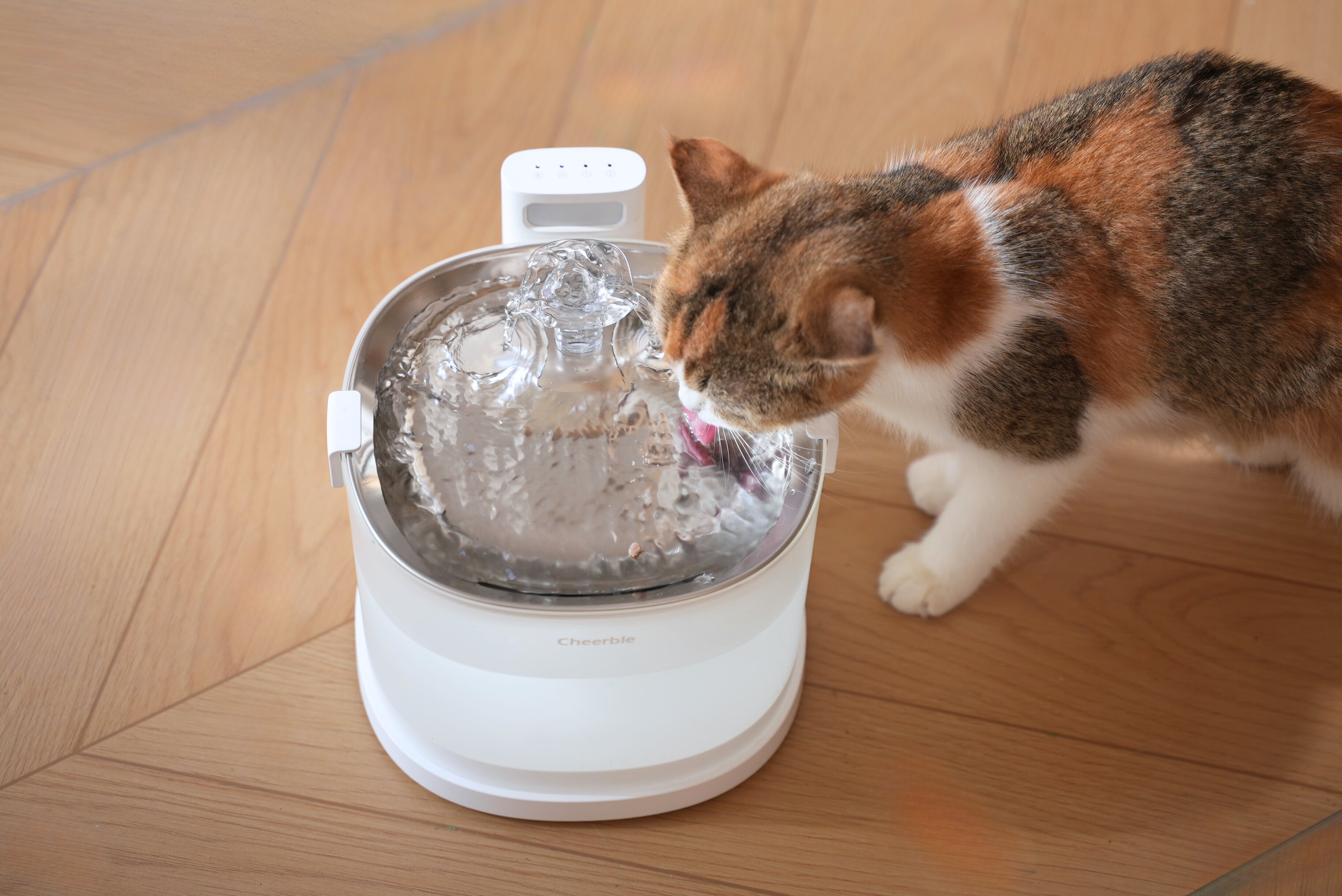
If you’re still on the fence, consider this: stainless steel bowls are non-porous, meaning they are less likely to harbor bacteria and other pathogens that could affect your pet’s health. Moreover, they are less likely to leach chemicals, a concern some pet owners have with plastic options.
Investing in a stainless steel bowl can give you peace of mind knowing you’re providing your pet with a safe, durable, and easy-to-clean feeding option.
Additionally, if your pet seems to be picky about their eating habits, a stainless steel bowl's clean and neutral surface can help foster a more inviting eating environment.
To sum it up, when choosing between stainless steel and plastic pet bowls, consider how each material aligns with your pet's behavior and your lifestyle needs. Stainless steel might be the right answer for you if you value durability, ease of cleaning, and your pet’s health.
For more insights on pet care, check out our article on automatic vs. manual feeders to learn how feeding methods can impact your pet's health and happiness.
The choice between a stainless steel bowl and a plastic one shouldn’t be taken lightly. After evaluating the options thoroughly, you can make a confident choice that you, and your pet, will be happy with for years to come.

Leave a comment
All comments are moderated before being published.
This site is protected by hCaptcha and the hCaptcha Privacy Policy and Terms of Service apply.