




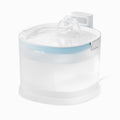
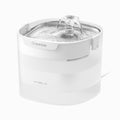
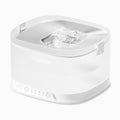
Quick Answer: The best cat water fountain matches your cat's drinking style and your cleaning tolerance. A stainless steel tray, pumpless design, and dishwasher-safe parts cut the slime and bacteria that put cats off drinking.
Your cat ignores the water bowl, so you open a dozen fountain tabs and try to work out what actually separates a good one from a box of plastic that ends up in the cupboard. There are stainless steel trays, pumpless drives, filter packs, wireless modes, and price points that swing wildly for reasons no product page explains. The options blur together fast.
Most buying advice stops at "cats like moving water." That is true, but it is not enough to pick one model over another. The features that decide whether a fountain gets used, and whether you can keep it clean without resenting it, rarely make the headline.
This guide walks through the few things that matter, in the order they matter, so you can buy with a clear head instead of a spinning one.
Why a Cat Water Fountain Helps at All
The low-thirst problem
Cats descend from desert-dwelling wildcats and never evolved a strong urge to drink. The IVIS Encyclopedia of Feline Clinical Nutrition explains that a cat needs roughly 55 to 70 milliliters of water per kilogram of body weight each day, yet its thirst drive stays weak compared to a dog's. A cat can run a mild water deficit for days and still seem fine. Layer dry food on top, which is only about 6 to 10 percent moisture, and the gap between what a cat needs and what it actually drinks widens further. That gap is exactly what a fountain is meant to close, and it is the reason the rest of this guide exists.
How moving water changes intake
Moving water does help some cats, but the evidence is more careful than the marketing. In one study in the Journal of Feline Medicine and Surgery, healthy cats recorded a higher measured intake from a fountain, 31.6 milliliters per kilogram of body weight a day against 22.9 from a bowl, but their urine did not get any more dilute.
The authors concluded the extra volume was probably splashed during play rather than swallowed, and the difference disappeared once a single outlier cat was removed. A later trial in the same journal found no significant difference between still, free-falling, and circulating water for the group as a whole, though a few individual cats showed a clear personal favorite. Read that together and the takeaway is specific: a fountain earns its keep for the cat that already paws at the tap or ignores a still bowl, not as a blanket fix for every cat.

What Actually Matters When You Compare Fountains
Stainless steel vs plastic
The material your cat drinks from matters more than the shape or color around it. Plastic scratches, and those fine grooves trap biofilm that is hard to scrub out. VCA Animal Hospitals points out there is a recognized association between plastic dishes and feline chin acne, because the scratched, irregular surface is more prone to bacterial buildup, and it recommends replacing plastic with smooth, non-porous dishes like glass or stainless steel. If your cat has ever had black specks under the chin, this is not a cosmetic detail. The material is quietly working for you, or against you, every single day. Material matters most.
Pump vs pumpless
The pump is the part most owners skip, and the part that fails first. Traditional fountains push water through a pump with an impeller, and the impeller housing is a favorite hiding spot for slime and mineral buildup. You have to take it apart, clean every groove, and reassemble it on a schedule, or the fountain slowly turns into a bacteria farm.
Pumpless designs remove that cavity entirely, which matters less for the gadget itself and more for whether you will actually keep it clean over months. A fountain you can wash fast gets washed. A fountain that needs surgery every week does not.
Filters and running costs
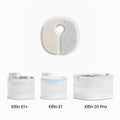
The sticker price is not the real cost. Filters typically need replacing every two to four weeks, which turns a one-time purchase into a recurring expense you should plan for before buying. Cheaper fountains often mean pricier or harder-to-find filters, and a clogged filter slows the flow and dulls the fresh taste that got your cat drinking in the first place. Check what a replacement filter costs and how easy it is to get before you commit to the base unit. A bargain that costs you every month is not a bargain.

How to Match a Fountain to Your Cat
Reading your cat's drinking style
Before you buy, watch how your cat drinks now. A cat that paws at the faucet or stares at a running tap is already telling you it wants moving water. A cat that drinks plenty from a still bowl may not need a fountain at all. Multi-cat homes, older cats, and cats with a history of urinary trouble lean toward fountains because the stakes of under-drinking are higher. Cornell University's Feline Health Center notes that chronic low water intake puts steady stress on the kidneys, which are the organ most likely to fail in older cats. That is why material and ease of cleaning matter most here.
A five-point checklist
Run any fountain through these five questions before you pay.
- One, is the drinking surface stainless steel or ceramic rather than plastic?
- Two, can you take it apart and clean it in under five minutes, or does it hide a pump?
- Three, how often do filters need replacing, and what do they cost?
- Four, is it quiet enough to sit in the room your cat actually uses?
- Five, does the capacity fit how many cats drink from it? Answer those honestly and most of the market sorts itself out. Skip anything that trips two or more of them.
The Best Cat Water Fountains to Consider
A stainless, pumpless pick
If you want the hygiene of stainless steel without the chore of scrubbing a pump, the Elfin E1+ is built around exactly that. It pairs a 304 stainless steel drinking tray with a Pumpless MagDrive design that removes the impeller housing entirely, so there is no hidden cavity to take apart. The parts that normally collect slime come clean with a quick rinse. For a busy owner or a multi-cat house, that changes the math: the fountain stays genuinely clean because cleaning it is not a project.
A cordless, sensor-activated upgrade
The same fountain solves a problem you do not notice until you own one: the cord. Because it runs on a built-in 5000mAh battery and switches on when its smart sensor detects your cat approaching, it can sit in the quiet corner your cat prefers instead of the one next to the outlet. You get the easier cleaning and the flexible placement in the same unit, without buying two separate gadgets to get there.
The Bottom Line
Choosing a cat water fountain comes down to two things most listings bury: what your cat already drinks like, and whether you will actually keep the thing clean. Pick stainless steel over plastic, favor designs without a hidden pump, and check the filter cost before the sticker price. Get those right and the fountain is not another gadget that gets ignored. It is a quiet daily fix for a cat that was drinking less than it should, and one of the cheapest health upgrades you can buy for a pet.
Related reads:


Leave a comment
All comments are moderated before being published.
This site is protected by hCaptcha and the hCaptcha Privacy Policy and Terms of Service apply.