

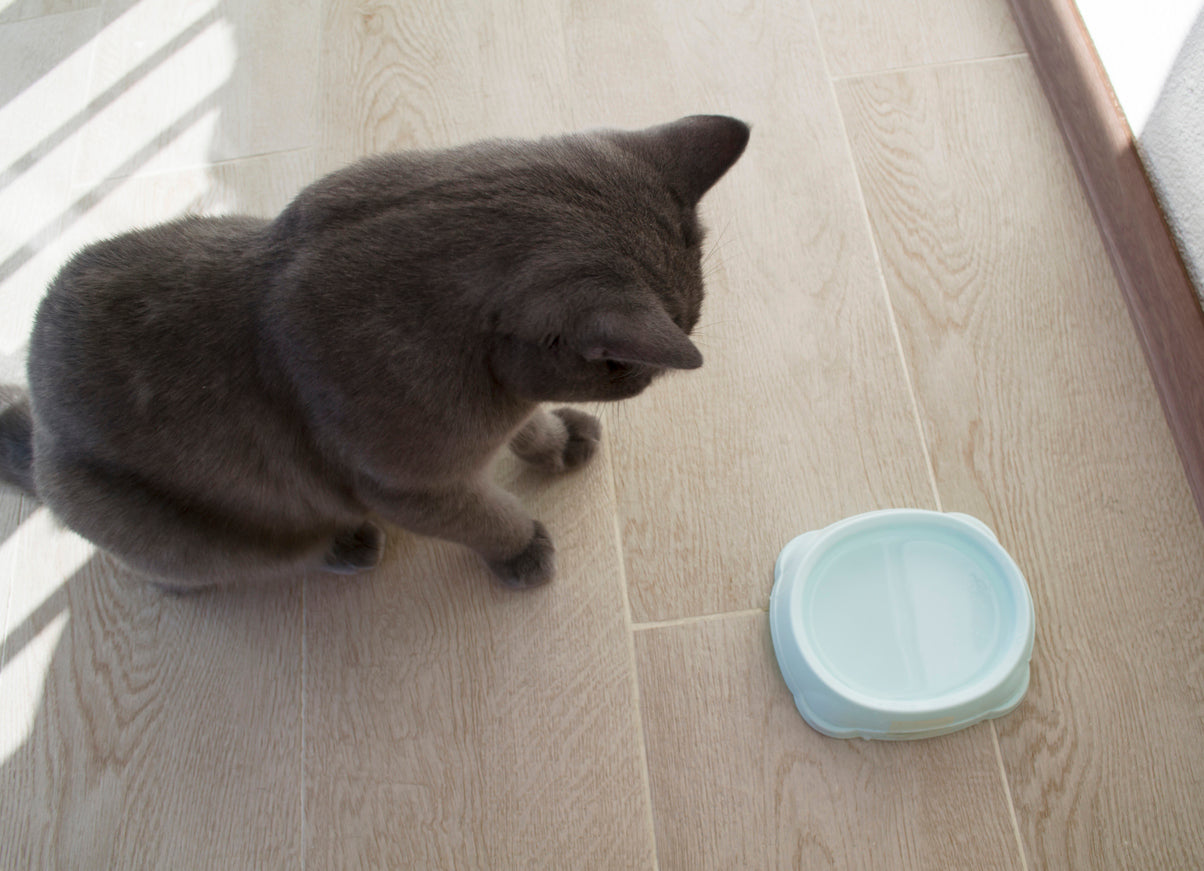
A cat bowl is a small purchase that becomes a daily cleaning task. Stainless steel and plastic can both hold food or water, but they age differently, and the best choice depends on the bowl’s condition, shape and how reliably you can wash it. If you are comparing a stainless steel cat fountain with a plastic one, look beyond the visible tray: the reservoir, lid and other wet parts also need attention.
The practical answer is simple. Choose a smooth, intact, easy-to-clean food-contact surface; wash it on an appropriate schedule; and replace a bowl when wear makes thorough cleaning difficult. Material matters, but it does not make a neglected bowl clean or establish the cause of a skin problem.
Material Comparison
Surface and durability
Stainless steel is often a convenient choice because a well-made bowl is durable, does not chip like a glazed surface and can be washed repeatedly. It can still dent, develop rough edges or collect residue around seams and logos. Check the actual product’s care instructions before putting it in a dishwasher. A “stainless steel” label also tells you little about the quality of a particular finish, attachment or coating.
Plastic bowls are light, inexpensive and available in many shapes. A smooth, intact plastic bowl is not automatically unsafe. Over time, however, some plastic surfaces show scratches, cloudiness or warping. Those changes can make residue harder to see and remove. Inspect the inside, rim and base in good light. If a bowl feels rough, has deep scratches or no longer sits flat, replacing it is more useful than arguing about whether all plastic is bad.
Consider the whole item, not just the material named in the product title. A stainless bowl may sit in a plastic holder with narrow joints. A fountain can pair a stainless drinking tray with a plastic water tank. Neither design is inherently disqualified, but every component that contacts water needs an accessible cleaning route. Ask how the parts come apart, whether corners can be reached with a brush and how you will dry them before reassembly.
For a cat that pushes its bowl, weight and base design may matter more than material alone. A broad, stable bowl can prevent sliding; a nonslip mat may help on a smooth floor. Choose an opening that lets your cat approach comfortably and watch whether the rim interferes with its preferred posture. Your cat’s behavior is a better guide to bowl shape than a universal claim about whiskers.
Cleaning Routine
Daily and deep clean
Cleaning is the part owners can control most consistently. The CDC advises cleaning pet water and dry-food bowls every day and cleaning bowls after every use with wet food. Empty the bowl, wash with warm water and dish soap, scrub the rim and underside, rinse well and let it dry or use a clean towel. Merely adding fresh water to yesterday’s bowl does not remove residue already on the surface.
For a fountain, follow the model manual for disassembly and cleaning frequency, and clean sooner if you notice hair, film, odor or reduced flow. A filter is not a replacement for washing the tray and reservoir. If a component is labeled dishwasher-safe, follow that instruction; do not assume the same treatment applies to the motor base, electronics or every plastic piece. Keep spare parts and compatible filters identified by exact model, not by similar appearance.
Every few washes, inspect the places you usually miss: the underside of the rim, clips, water outlet, gasket and seams. A soft brush can help reach channels without damaging the surface. Rinse away soap and allow parts to dry as the manufacturer directs. If a bowl remains sticky, smells unusual after washing or has damage that traps residue, replace the affected part. The same rule applies to steel, plastic and ceramic.
Disinfecting is a separate step from routine washing. The CDC says cleaning is usually enough for most pet items, while disinfection may be needed when a pet is sick or someone in the household is especially vulnerable. Follow the disinfectant label and veterinary advice for those situations. For cats, avoid products containing phenols, which the CDC identifies as toxic to them. Never leave chemical residue where a cat will drink.
Chin Irritation
Avoid unsupported causes

Black specks, bumps or swelling under a cat’s chin deserve observation, but they do not prove the bowl caused feline acne. VCA Animal Hospitals says no single proposed factor has been proven to cause the condition. It describes a possible association with plastic food and water dishes, because irregular or scratched surfaces may be more prone to bacterial contamination. That is a reason to inspect and clean the dishes, not a diagnosis.
VCA also notes that switching to smooth, nonporous dishes such as glass or stainless steel, together with daily washing, may help some cats. “May help” is the important phrase. A material change cannot promise that lesions will clear, and it should not delay care for a painful, swollen or persistently irritated chin. Your veterinarian can distinguish acne from other skin or dental problems and advise on treatment.
If you change bowls, keep the rest of the routine steady for a while so you can notice whether anything changes. Wash both food and water dishes consistently, check the chin without scrubbing it aggressively, and record new or worsening signs. Do not apply human acne products or disinfectants to a cat’s skin unless your veterinarian instructs you to. This approach gives you useful observations without claiming that a bowl swap is a cure.
Selection Checklist
Size, access and upkeep

When choosing a bowl, ask five questions: Is the food-contact surface smooth and undamaged? Can you reach every area that gets wet or oily? Does the bowl sit securely where your cat uses it? Is the opening and rim comfortable for that cat? Can your household keep up with the recommended washing routine? If the answer to the last question is no, a simpler design may be the better purchase.
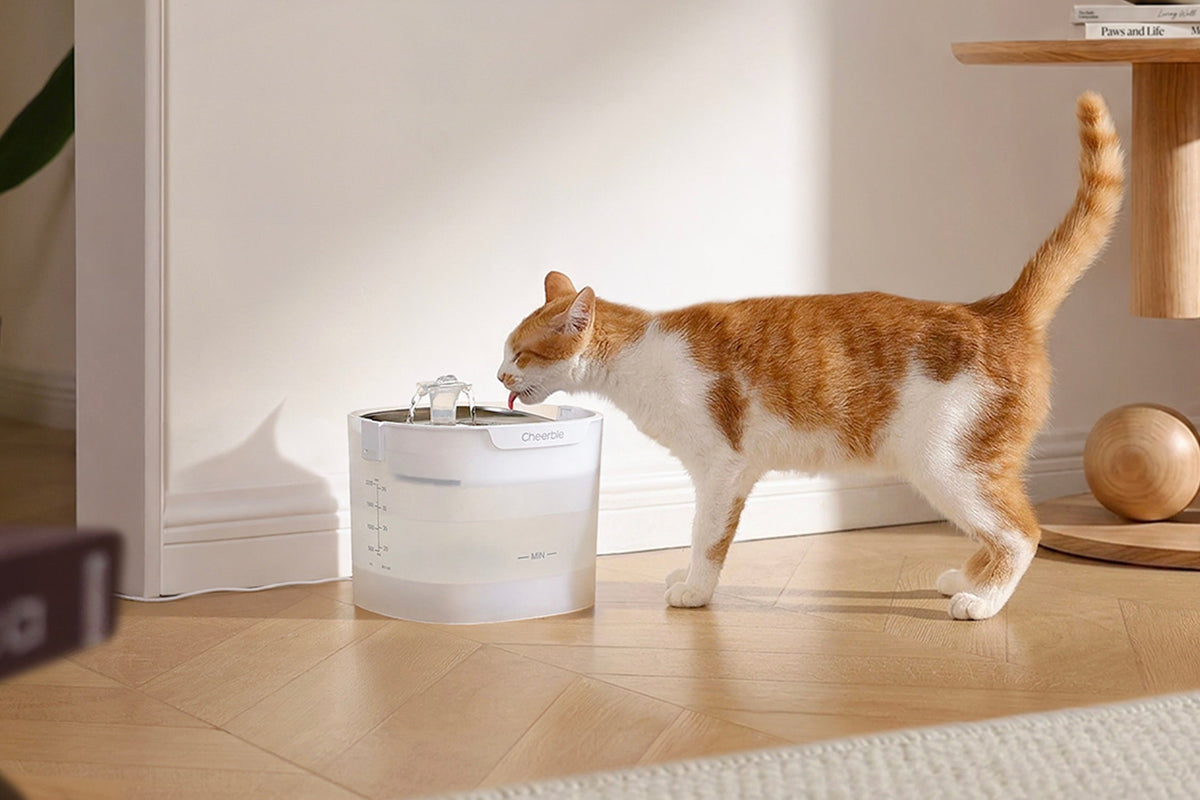
For fountains, compare the drinking tray and the hidden wet path separately. Cheerble’s Elfin E1+ product page specifies a stainless steel water tray and lists ABS, stainless steel and PCTG among its main materials. That describes a mixed-material product, not an all-steel water system. Other models may differ, so check the current product page and manual for the exact model rather than assuming every Cheerble fountain has the same tray.
If you already own a usable plastic bowl, there is no need to discard it solely because of its material. Keep it clean, inspect it for wear and observe whether your cat drinks comfortably. If it is damaged or difficult to maintain, a smooth replacement may make daily care easier. Keep a second clean water source available when changing a cat’s setup so the cat can choose the familiar location while you assess the new one.
The best material decision is the one you can sustain: a sound bowl, a comfortable location and regular cleaning. Stainless steel can be a practical long-term option; plastic can work when it remains intact and clean. Neither is a medical treatment. For a wider fountain comparison covering capacity, flow, power and filters, see How to Choose the Best Cat Water Fountain for Your Cat.

Leave a comment
All comments are moderated before being published.
This site is protected by hCaptcha and the hCaptcha Privacy Policy and Terms of Service apply.