














Cats have a reputation for being independent eaters. Some nibble throughout the day, while others finish their food the moment it touches the bowl.
For owners in a multi-cat family or multi-pet household, this raises a vital question: How many meals does a cat actually need, and does frequency truly affect their cat health?
The truth is, there is no universal answer. Age, activity level, and the presence of other pets all play a role. Understanding these rhythms can help you prevent overeating and support long-term wellness.
Understanding a Cat’s Natural Eating Rhythm
Cats are biologically designed to eat multiple small meals. In the wild, they hunt and consume small prey several times a day. This instinct remains in domestic cats, even if their food comes from a bowl instead of a hunt.
The Problem with "Once-a-Day" Feeding
When fed only once daily, cats can become overly hungry and fixated on their next meal. This intense hunger often leads to frantic fast eating, excessive begging, or increased social tension around the feeding area.
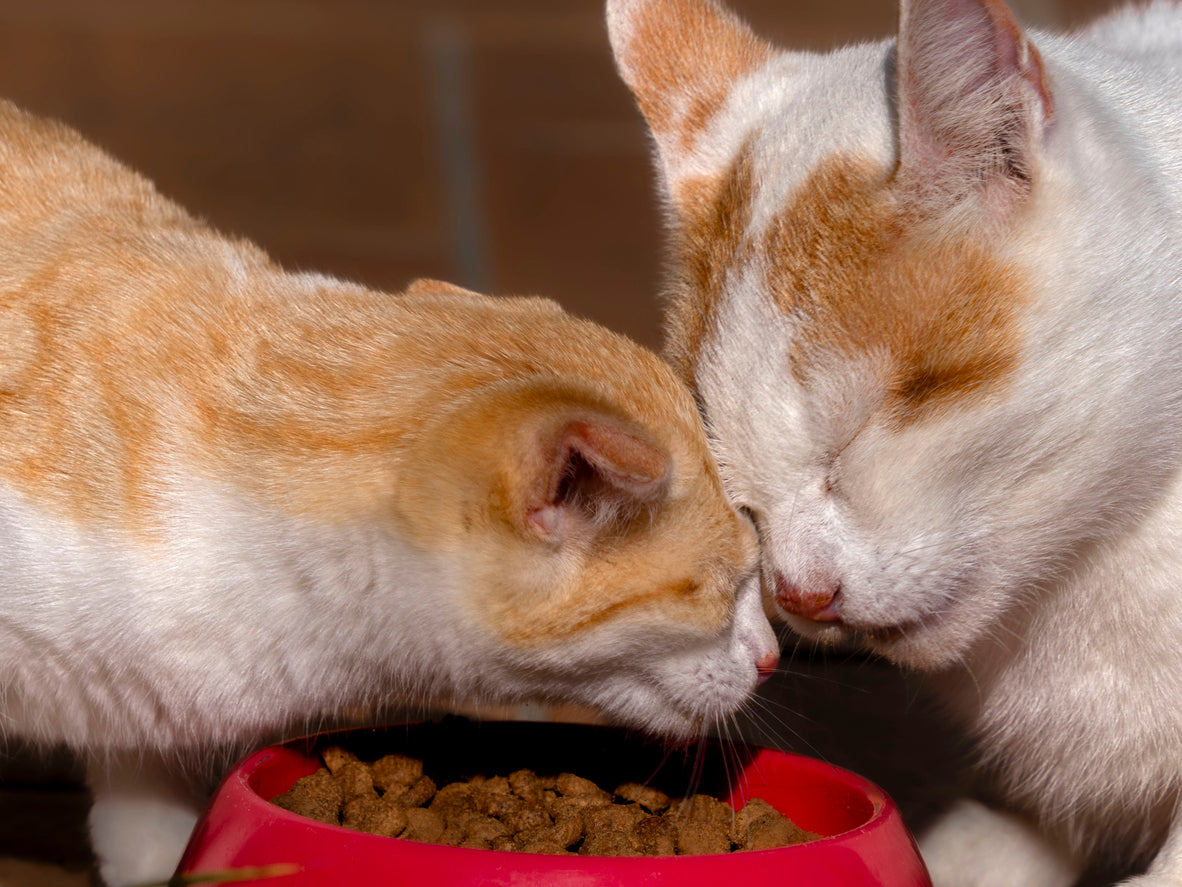
This is especially noticeable in multi-pet families where competition for resources already exists, as it can trigger defensive or aggressive behaviors between housemates.
The Risks of Unlimited Grazing
Conversely, unlimited free feeding often results in passive overeating and a loss of natural hunger regulation. Indoor cats with lower activity levels are particularly at risk of gradual weight gain when food is always accessible.
Finding the right balance between structure and flexibility is essential for healthy weight management and prevents the "boredom eating" that common in domestic environments.
Feeding Frequency Based on Life Stage
A cat’s age significantly dictates their nutritional schedule and overall caloric requirements. As their metabolism and energy levels shift throughout their life, so should their feeding frequency to match their changing biological needs.
Nutritional Needs for Kittens
Kittens require frequent, nutrient-dense meals to support their rapid physical and cognitive growth. Most experts recommend feeding kittens three to four times a day to maintain their high energy levels and accommodate their relatively small stomach capacity. This frequent schedule prevents sudden drops in blood sugar and keeps them fueled for their intense periods of play and discovery.
Maintenance for Adult and Senior Cats
Adult cats generally thrive on a structured routine of two to three meals per day. This consistent timing supports healthy digestion and makes daily portion control much easier for the owner to monitor and adjust.
Senior cats may benefit from smaller, even more frequent portions to accommodate a slowing digestive system. This is especially true if they have dental issues that make eating difficult or reduced appetites due to age-related sensory changes.

How Feeding Habits Impact Cat Obesity
Cat obesity is one of the most common pet health issues today. Feeding too much, or feeding without portion awareness, can gradually lead to dangerous weight gain.
Identifying Stress-Induced Overeating
Cats eating more than usual aren't always responding to physical hunger. They are often reacting to their environment. Stress, boredom, and social competition in a multi-cat family can trigger emotional overeating as a coping mechanism.
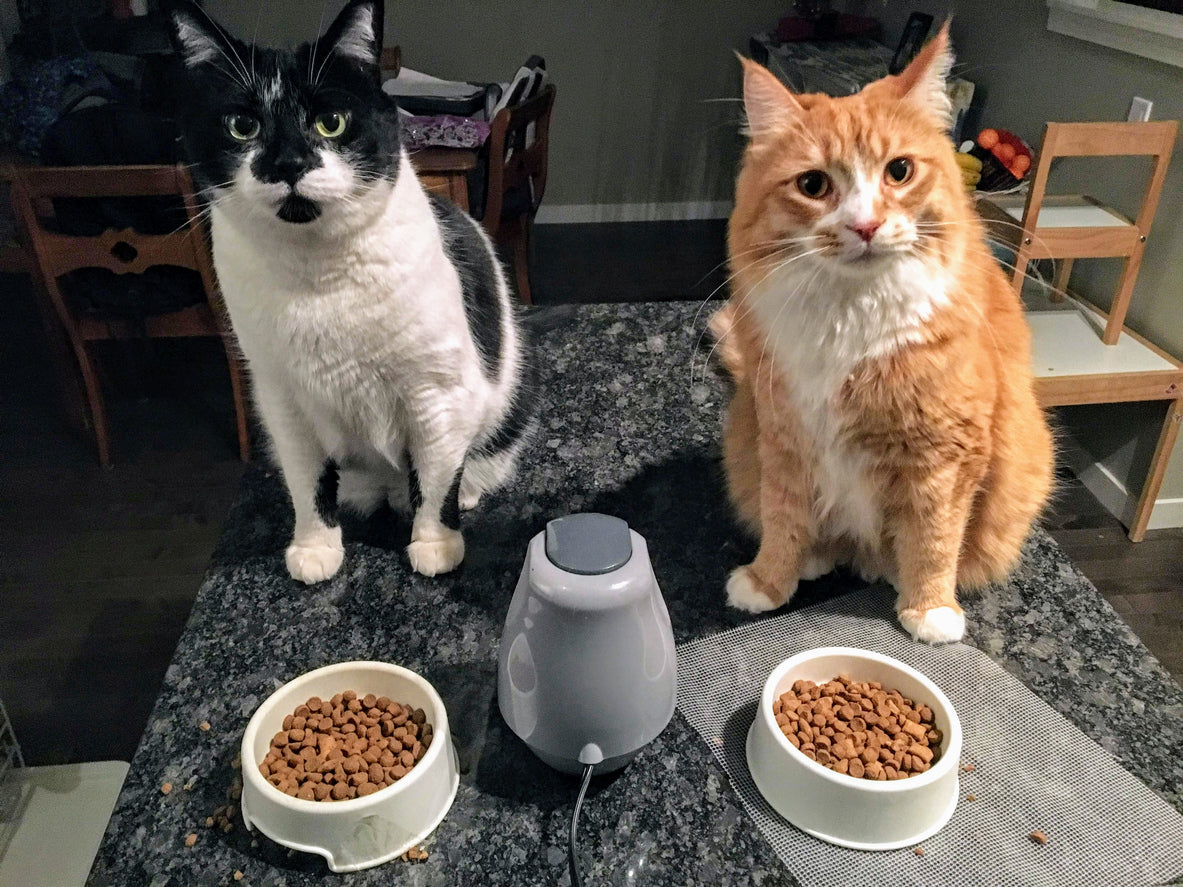
In homes where food stealing occurs, dominant pets often consume far more than their fair share, while the intimidated cat may eat rapidly out of anxiety.
Monitoring Changes Early
Structured meal times make it much easier for owners to notice subtle health red flags before they become emergencies. Always consult a cat veterinary professional if you notice these sudden behavioral shifts, as appetite changes are often the first sign of underlying issues.
A Sample Feeding Schedule for Multi-Cat Families
To help you visualize a healthier routine, here is a sample schedule for a typical household where owners work a 9-to-5 job:
- 7:00 AM (Breakfast): High-protein wet food in separate rooms.
- 5:30 PM (Post-Work Snack): A small portion of dry food or dental treats to bridge the gap.
- 9:00 PM (Dinner): Final measured meal of the day.
This structure allows for 3 distinct data points where you can observe each cat's appetite. If you are using pet supplies like automatic dispensers, you can even break these down into 5 or 6 micro-meals to keep metabolism steady.

Wet Food, Dry Food, and Timing
The Hydration Factor of Wet Food
Wet food is typically more filling and satiating due to its high moisture content, making it excellent for feline hydration and long-term kidney care.
However, because it can spoil quickly at room temperature, it must be served during strictly scheduled meal times to ensure maximum freshness and safety. This allows you to monitor exactly how much each cat consumes in one sitting before the bowl is cleared away.
The Convenience of Dry Food
Dry food offers more flexibility as it is much easier to divide into multiple small portions throughout the day without the risk of spoiling. However, the convenience of dry food often leads owners to leave it out 24/7, which encourages unnecessary grazing and silent food theft in multi-pet homes.
To get the best of both worlds, many successful households combine the two: serving wet food for main morning and evening meals while using dry food for controlled, scheduled snacks.
Signs Your Cat’s Schedule Needs Adjustment
Cats communicate discomfort through subtle behavioral changes. You should monitor for:
- Excessive begging or food obsession
- Rapid eating followed by vomiting (Scarf and Barf)
- Noticeable weight fluctuations
A cat on the right schedule will eat calmly and maintain a stable weight. Regular check-ups and monitoring intake can ensure feeding habits stay aligned with health goals.
FAQ: Common Feeding Questions for Multi-Cat Owners
Can I feed my cats together if they don't fight?
Even without fighting, "silent guarding" can occur. One cat may eat faster just because they feel monitored. It is always safer to provide distance.
What if one cat is on diet food and the other is not?
This is the ultimate challenge for a multi-cat family. Free feeding must be eliminated. You must either supervise every meal or use technology that restricts access to the wrong bowl.
Is it okay to skip a meal if my cat isn't hungry?
If a cat skips a single meal but acts normal, it’s usually okay. However, if they refuse food for more than 24 hours, contact your cat veterinary clinic immediately, as this can lead to liver issues.

Conclusion: Establishing Your Feline Feeding Routine
So, how many meals does your cat really need? For most adult cats, two to three meals is a healthy starting point. From there, observation and consistency matter more than strict rules.
Every cat is unique, shaped by their environment and household dynamics. By paying attention to portion control and overall behavior, you can build a routine that supports both physical health and emotional comfort.
A thoughtful feeding schedule does more than manage calories. It reduces stress in your multi-cat family, supports long-term cat health, and helps your cat feel secure at every meal.
Learn about the new era of multi-cat family feeding.
Disclaimer: The information provided in this article is for educational and informational purposes only and is not intended as a substitute for professional veterinary advice, diagnosis, or treatment. Always seek the advice of your veterinarian or other qualified pet health provider with any questions you may have regarding your cat's medical condition or dietary needs. Never disregard professional medical advice or delay in seeking it because of something you have read on this website.

Leave a comment
All comments are moderated before being published.
This site is protected by hCaptcha and the hCaptcha Privacy Policy and Terms of Service apply.