


Why Cat Feeder Hygiene Matters for Feline Health
Keeping a cat feeder clean isn’t just about making your kitchen look tidy. It’s actually a huge part of keeping your cat healthy. Think about it—cats use their mouths and tongues to eat directly off these surfaces every single day. If that surface isn't clean, they’re basically swallowing bacteria with every bite.
Ignoring a dirty feeder can lead to everything from a simple upset stomach to more painful issues like skin infections. In a house with multiple cats, a dirty bowl can quickly become a "germ hub" that affects everyone.
The Risks of Biofilm and Bacterial Growth
Have you ever felt that slippery, slimy film on the bottom of a water bowl or feeder? That’s biofilm. It’s a protective layer that bacteria build so they can thrive and multiply. This slime is a magnet for nasty stuff like Salmonella and E. coli.
Even if the bowl looks empty to you, the microscopic leftover oils from the kibble are enough to feed these bacterial colonies. According to veterinary microbiology, biofilms on pet surfaces can harbor pathogens for weeks if not physically disrupted by scrubbing. Over time, this can lead to chronic diarrhea or other digestive problems that are tough to shake.
Preventing Feline Acne and Skin Irritations
If your cat has little black bumps or redness on their chin, you’re likely looking at feline acne. This usually happens because bacteria from a greasy, unwashed cat feeder get into the pores on their chin while they eat.
It’s painful and can get infected if left alone. By keeping a strict cleaning routine for your automatic cat feeder, you can stop these breakouts before they start and keep your cat’s skin clear and healthy.
Daily Maintenance vs. Deep Cleaning: What’s the Difference?
In a busy home, you need a realistic plan. You don’t have to do a full teardown every single day, but you do need to know the difference between a quick tidy-up and a proper deep clean. This is especially true with a smart cat feeder, where food can hide in places you can't easily see.
When to Wipe Down and When to Scrub
Ideally, you should give the cat feeder bowl a quick wipe or rinse every day, or at least every other day. This stops fresh oils from sitting out and going rancid.
However, a "deep scrub"—where you actually take the machine apart—should happen about once a week. This gets rid of the hidden crumbs and dust inside the dispensing area that a simple surface wipe just won't reach.

Step-by-Step Guide: How to Deep Clean Your Cat Feeder
Deep cleaning an electronic cat feeder can feel a bit intimidating, but it’s easy if you have a system. Here is how to do it without damaging the sensors or missing the hidden spots.
Step 1: Disassembly and Unplugging
First things first: safety. Unplug the feeder and take out any backup batteries so you don't accidentally short anything out. Then, take off all the removable bits—the tray, the food hopper, and the internal rotors. If there are small clips or screws, put them in a cup so they don't vanish while you're washing everything else.
Step 2: Soaking and Sanitizing
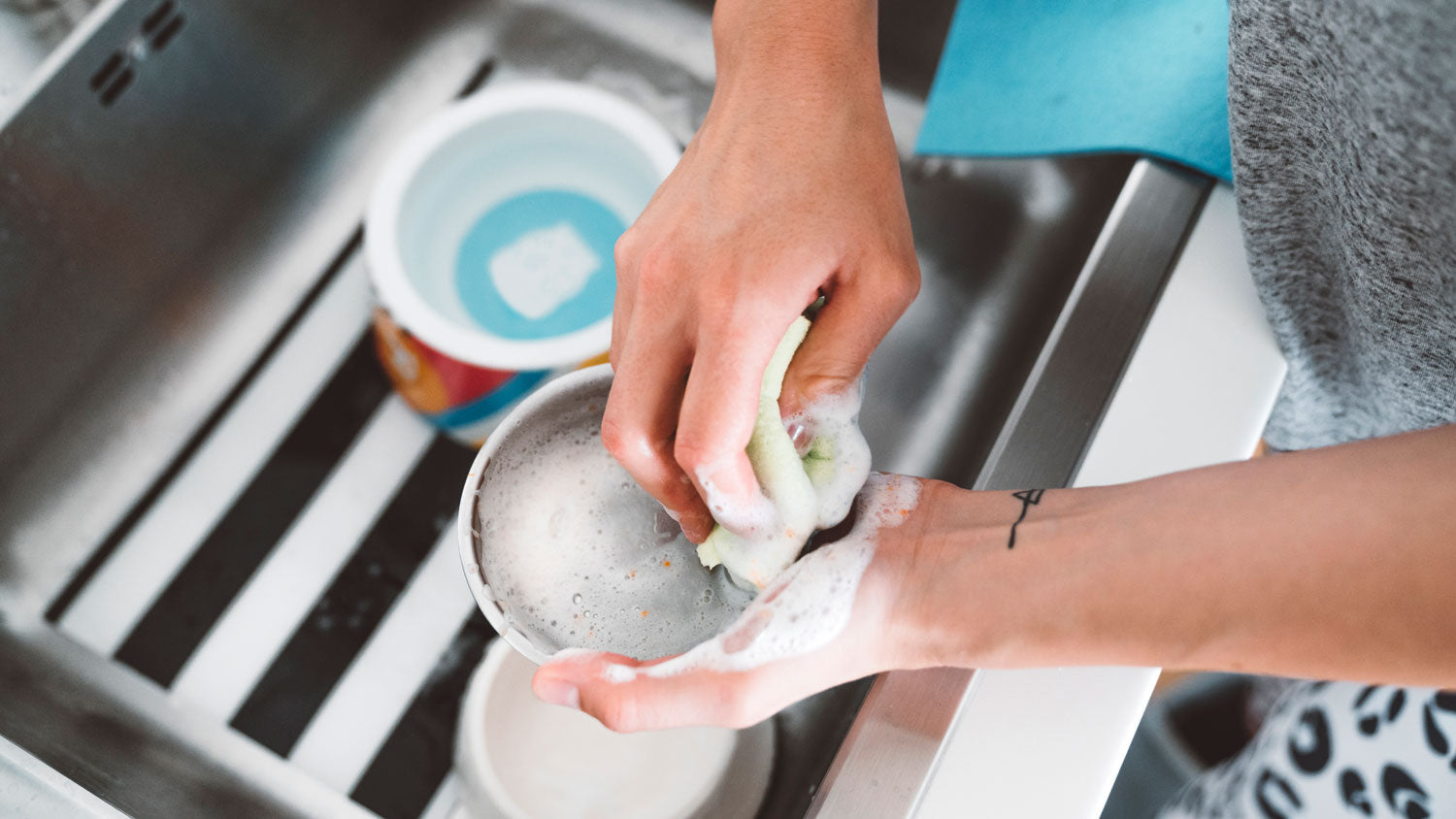
Put the non-electric parts in a sink with warm water and a little bit of mild, unscented dish soap.Stay away from bleach or heavy chemicals. Cats have incredibly sensitive noses, and any leftover scent might make them stop eating. Let everything soak for about 15 minutes to loosen up that stubborn kibble grease.
Step 3: Cleaning Hard-to-Reach Crevices
The chute where the food drops out is a major magnet for dust. Grab an old toothbrush or a small bottle brush to scrub the internal gears and corners. Pay extra attention to the dispensing hole, this is where moisture often meets food dust, creating a sticky gunk that can eventually turn into mold.
Step 4: Rinsing and Drying Thoroughly
Rinse everything until the water runs clear and there are no bubbles left. This is the most important part: don't put the feeder back together until every piece is 100% dry. If you trap moisture inside a sealed food tank, you’re basically inviting mold to grow on the next batch of kibble. Let it air dry for a few hours just to be safe.
Essential Maintenance Tips: Materials and Smart Technology
Beyond just washing the bowl, the longevity of your cat feeder comes down to the materials you choose and how you handle the tech side of things. This part is crucial for keeping things automated and worry-free.
Choosing the Best Material for Feline Health
If you have the choice, go with stainless steel or high-quality ceramic. These materials are non-porous, meaning they don't have tiny holes or scratches where bacteria can hide.
Plastic feeders are cheaper, but they get tiny scratches over time from kibble and brushes. Those scratches are the perfect "apartment buildings" for bacteria. If your cat has chin acne and you’re using plastic, try switching to a stainless steel insert, it often clears up the skin issues almost immediately.
Maintaining Smart Components and Freshness
A smart cat feeder needs a little extra love to keep working right. Most have a desiccant bag in the lid to keep the food crunchy. Make sure you swap that out every month, or the food will go stale.
Also, during your weekly clean, use a dry Q-tip to wipe the infrared sensors. Dust on the sensors can trick the machine into thinking it’s jammed or empty, which means your cat might miss a meal while you're at work. A quick wipe keeps the "brain" of the feeder running smoothly.

FAQ About Feeder Cleaning
How often should I clean an automatic cat feeder? Wash the bowl every day or two. The main tank and the dispensing parts inside should get a deep clean every two weeks at the very least.
Can I use vinegar to clean my cat's bowl? Yes, vinegar is a great natural cleaner. Just make sure you rinse it really, really well. If your cat smells even a hint of vinegar, they might decide their dinner isn't worth the smell and walk away.
Is it safe to put cat feeder parts in the dishwasher? Usually, stainless steel bowls and most plastic bins are fine on the top rack. But double-check your manual first, you definitely don't want to put the base (the part with the motor) or any delicate sensors in there.
Conclusion: A Clean Bowl is a Happy Cat
At the end of the day, a clean cat feeder is one of the easiest ways to keep your pet healthy. It doesn't take much time once you have a routine, and it prevents a lot of expensive vet visits down the road. Just treat their dishes with the same care you’d treat your own, and your cat will be much happier and healthier for it.

Leave a comment
All comments are moderated before being published.
This site is protected by hCaptcha and the hCaptcha Privacy Policy and Terms of Service apply.