

Quick AnswerThe best interactive dog ball depends on your dog's breed drive. High-energy herders like Border Collies fit the jumpy Wicked Ball Air. Retrievers that love tug suit the Wicked Ball Rolly. Terriers and prey-driven chasers do best with the app-controlled Wickedbone.
Some dogs nap all afternoon. Others stare at you like you personally owe them three miles of sprinting. If your dog falls into the second group, you know the problem: a walk is never quite enough, and your arm gives out long before their legs do.
That is where an interactive dog ball earns its place. A moving ball that rolls, hops, and changes direction on its own taps into the chase instinct dogs were born with, and it keeps going when you need to cook dinner or answer email. But not every self-moving ball fits every dog. A Border Collie and a French Bulldog want very different things from a toy.
This guide matches five breed types with the right pick, so you spend money once and spend it well.
Why Moving Ball Toys Work So Well for Dogs
Dogs are predators at heart. Even the laziest couch potato carries the wiring to notice movement, stalk it, and pounce. A ball that sits still gets boring fast because it behaves like dead prey. A ball that darts away, wobbles, and changes direction behaves like live prey, and that difference matters more than any squeaker.
A good moving ball also solves a scheduling problem. Herding and sporting breeds often need far more activity than a quick walk around the block provides. An interactive dog ball fills that gap indoors, in short bursts, without requiring you to throw anything.

How to Match a Self-Moving Ball to Your Dog's Breed
Before the picks, here is what actually matters:
- Prey drive. Terriers and herders chase hard. Companion breeds often prefer gentler movement.
- Jaw strength. Power chewers need tougher shells and supervised play.
- Stamina. A Border Collie can go for an hour. A Pug taps out in ten minutes.
- Play style. Some dogs chase, some tug, some stalk. Match the toy to your dog's favorite game.
- Size. Big enough that your dog cannot swallow it, small enough to push around.
The 5 Best Interactive Dog Balls for Different Breeds
Best for Herding Breeds: Wicked Ball Air
Border Collies, Australian Shepherds, and Cattle Dogs were bred to control moving animals all day. The American Kennel Club classifies them in the herding group, and that heritage shows up every time your Collie tries to round up your kids in the backyard.
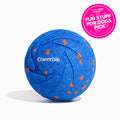
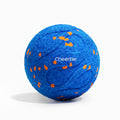
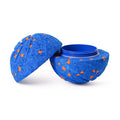
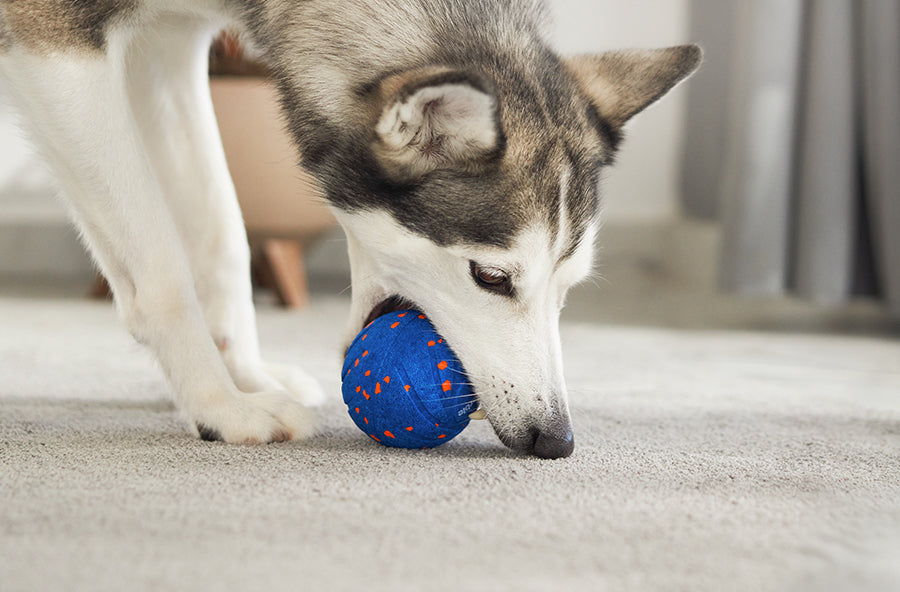
The Wicked Ball Air is built for exactly this kind of dog. Its E-TPU shell is light and springy, so the ball hops and bounces unpredictably instead of just rolling in a straight line. That erratic movement is the closest thing to a fleeing sheep your living room will ever see. Three play modes let you crank the intensity up for a young Border Collie or dial it down for a senior Aussie.
Best for Retrievers and Tug Lovers: Wicked Ball Rolly
Labradors and Golden Retrievers were bred to carry game gently back to a hunter. Translation: they want something in their mouth, and they want to shake it, pull it, and parade it around the house.
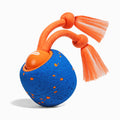
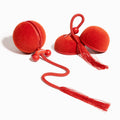
The Wicked Ball Rolly pairs an E-TPU ball with an attached rope, which turns a solo chase toy into a tug partner. Your Lab can grab the rope, shake the ball, wrestle it across the floor, and get the full retrieve-and-thrash experience without dislocating your shoulder. For retriever owners, that rope is not a small detail. It is the whole game.
Best for Terriers and Hard Chasers: Wickedbone
Jack Russell Terriers, Rat Terriers, and their cousins were bred to hunt vermin in tight spaces. They do not just chase. They stalk, pounce, and bite with intent. A plain rolling ball often fails because terriers figure out the pattern in minutes.
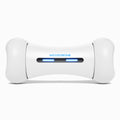
Wickedbone refuses to be figured out. This bone-shaped toy rolls across the floor on its own, and you control the game from the companion app: switch between multiple play modes, drive it yourself, or draw a custom path so it never rolls the same route twice. For a terrier that memorizes patterns, that is a chase that stays fresh.
Best for Curious, Sound-Driven Dogs: Wicked Ball Air Rugby
Beagles, Dachshunds, and Cocker Spaniels share one trait: their nose and ears run the show. These dogs investigate every rustle in the grass, and a silent toy can only hold them for so long.
The Wicked Ball Air Rugby speaks their language. Its rugby shape is easy to grab and carry back, so it doubles as a retrieve toy, and the built-in squeak keeps a curious hound locked in. Every bounce brings a new sound and a new direction, exactly the kind of mystery these dogs live to solve.
Best for Anxious Dogs Home Alone: Wicked Ball Air Neo
Cavalier King Charles Spaniels, Chihuahuas, Bichons, and many rescue dogs struggle when the house goes quiet. Separation anxiety is common in companion breeds developed to stay at your side all day.
The Wicked Ball Air Neo is built for comfort, not chaos. Its soothing mode mimics a dog's heartbeat, the sound puppies know from sleeping against their mother. Leave it with your dog when you head out, and it works as a calming presence rather than another toy that amps them up. For a nervous dog facing a long afternoon alone, that steady heartbeat takes the edge off the silence.
Quick Comparison
| Pick | Product | Best-Fit Breeds | Key Behavior |
| Herding breeds | Wicked Ball Air | Border Collie, Australian Shepherd | Hops and bounces unpredictably |
| Anxious dogs | Wicked Ball Air Neo | Cavalier, Chihuahua, Bichon | Heartbeat mode soothes dogs home alone |
| Retrievers | Wicked Ball Rolly | Labrador, Golden Retriever | Rope for tug, shake, and carry |
| Terriers | Wickedbone | Jack Russell, Rat Terrier | App control and custom rolling paths |
| Curious hounds | Wicked Ball Air Rugby | Beagle, Dachshund, Cocker Spaniel | Squeaky sound, easy to grab and retrieve |
How to Introduce an Interactive Dog Ball to a Cautious Dog
Not every dog charges at a moving toy on day one. Some bark at it from across the room. A simple ramp-up:
- Let it sit still first. Place the ball on the floor, turned off, and let your dog sniff it.
- Start on the gentlest mode. Slow movement reads as interesting, not alarming.
- Play together at first. Reward your dog with a treat when they engage.
- Keep early sessions short. Five to ten minutes is plenty. End while your dog still wants more.
- Supervise the first few sessions. Then relax once you know how your dog treats the toy.

FAQ
Are interactive dog balls safe for dogs to use alone?
For most dogs, yes, after a few supervised sessions. Watch how your dog plays first. If they try to crack the shell open with their molars, keep play supervised. Calm chasers can usually enjoy one solo.
How long should my dog play with a moving ball each day?
Most dogs do well with one or two sessions of 10 to 20 minutes. High-energy herding breeds may want more, while flat-faced breeds should stick to shorter bursts. Watch your dog's breathing and end sessions before exhaustion.
Will an interactive dog ball tire out a high-energy breed?
It helps a lot, especially mentally. Chasing unpredictable movement works the brain as well as the legs, and mental fatigue is what settles a hyper dog. For high-drive breeds, combine ball sessions with walks and training.
Do interactive dog balls work for heavy chewers?
It depends on the chewer. Tough E-TPU shells handle normal mouthing and shaking well. True power chewers who destroy rubber toys should play supervised, since no motorized toy is chew-proof.
How do I clean a self-moving dog ball?
Wipe the shell with a damp cloth and mild soap, then dry it. Never submerge a motorized ball in water. Rope attachments can be hand-washed separately.
The Bottom Line
The right interactive dog ball is the one that matches what your dog was bred to do. Herders need a target that flees. Retrievers need something to grab and shake. Terriers need a chase that never repeats itself. Hounds need sound, and anxious dogs need comfort.
Pick the moving ball that fits your dog's instincts, and you get the payoff: a calmer dog, a quieter house, and a throwing arm that finally gets the evening off.



Leave a comment
All comments are moderated before being published.
This site is protected by hCaptcha and the hCaptcha Privacy Policy and Terms of Service apply.