



Quick Answer: No mandatory standard covers automatic cat toys the way ASTM F963 covers children's toys. The two real risks are battery chemistry and small detachable parts. Check for a named battery capacity, certified materials, and a shell too solid to crack open easily.
A toy's shell splits after a few weeks of enthusiastic batting, and a coin-sized silver disc rolls out from underneath the couch. Most owners have no idea what that disc actually is, only that their cat found it first.
It's easy to assume a toy sold specifically for pets went through the same kind of safety testing a children's toy did. It didn't, and that gap is exactly where most safety questions about automatic cat toys actually live. A toy aisle at a pet store looks reassuringly similar to a toy aisle at a kids' store, right down to the bright colors and the word "safe" printed somewhere on the box. The resemblance ends at the packaging.
Knowing what to check yourself matters more here than it does for almost any other pet purchase, which is exactly why a simple standard is worth having, even an informal one you build yourself.
What Actually Goes Wrong
The Battery Risk Nobody Warns You About
Pet Poison Helpline describes lithium disc batteries as far more dangerous than ordinary alkaline batteries once lodged against tissue. Just 15 minutes of contact with a 3-volt lithium battery is enough to cause significant, life-threatening damage to the esophagus. Symptoms include drooling, vomiting, and tremors, and the damage often continues even after the battery is removed. Fifteen minutes. That's roughly how long a toy sits forgotten under a couch before anyone notices it's gone quiet.
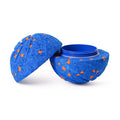
Automatic cat toys run on exactly this kind of battery, which is what makes the shell around it the single most important safety feature the toy has. A cracked casing isn't a cosmetic problem. It's the only thing standing between a curious cat and a chemical burn. Treat any visible crack as a reason to take the toy away immediately, not something to monitor for a few more days first.
The Quieter Risk: Size and Small Parts
PetMD recommends toys larger than a quarter, since a cat's hook-like tongue can catch on anything smaller and drag it toward the throat. Detachable pieces like plastic eyes, tails, or bells raise the same risk, since they're designed to come off with enough force, and a determined cat can usually provide that force.
Neither risk announces itself on the packaging. Both show up only when something already went wrong. A toy that's survived six months of play can still fail on week twenty-seven, once glue weakens or a seam finally gives.
This is also why "my cat has played with it for months with no problem" isn't proof a toy is safe. It's proof the failure hasn't happened yet.
Cats also tend to play with broken pieces somewhere out of sight before anything happens, batting them under furniture rather than chewing them in plain view. By the time anyone notices a piece is missing, there's often no way to know when it actually went missing.

No Official Standard Exists, So Here's One You Can Use
Why the Rulebook Doesn't Cover Pet Toys
CPSC defines a regulated toy as anything made for children under 14. That standard, ASTM F963, covers choking tests, sharp edges, and battery compartment security in exhaustive detail. It says nothing about pet products, simply because pet products were never part of its scope to begin with.
That's less of a red flag than it sounds. It just means nobody wrote the checklist for this category yet, so the checklist below does the same job: a handful of concrete things worth confirming before a battery-powered toy goes anywhere near your cat's mouth.
What a Good Product Page Actually Tells You
A "chew-proof" or "non-toxic" claim on a product page is a starting point, not the finish line. Plenty of toys that say this are exactly as safe as they claim to be. The easiest way to know for sure, rather than guess, is to look for the specifics underneath that word: what the battery capacity actually is, and what material the shell is actually made from.
A page that names both is doing the job right. That's the standard worth expecting, and it's a low bar for any brand that's confident in what it's selling. It also takes less time to read than most owners spend picking a toy off the shelf in the first place.
How to Check a Toy Yourself
Look at the Battery Compartment, Not Just the Box
Before buying, check whether the battery compartment needs a tool to open or just a firm push from a paw. A compartment secured with a screw is a meaningfully different product from one that pops open with pressure, even if both toys look identical in photos.
Do this check again every few weeks after purchase, not just once at unboxing. Casings loosen with use in ways they never do sitting on a shelf. Pay particular attention after a toy takes a hard fall or gets caught under something heavy, since that's usually when a seam actually gives.
Look for a Real Spec Sheet, Not Just Buzzwords
A product page that lists an actual battery capacity and a named material, like silicone or food-grade TPU, is telling you something a page that only says "eco-friendly and pet-safe" is not. Vague language usually means nobody has anything more specific to point to.
This kind of spec-checking is separate from the general play safety habits covered in the Ultimate Cat Toy FAQ, like supervising a toy the first few times and checking for wear weekly. Both matter, but they're solving different problems: one is about the toy's construction, the other is about how you use it.

What Doing This Right Looks Like
A Spec Sheet That Actually Says Something
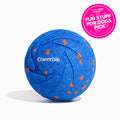
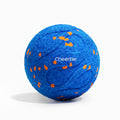
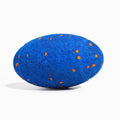
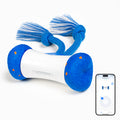
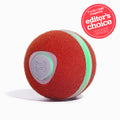
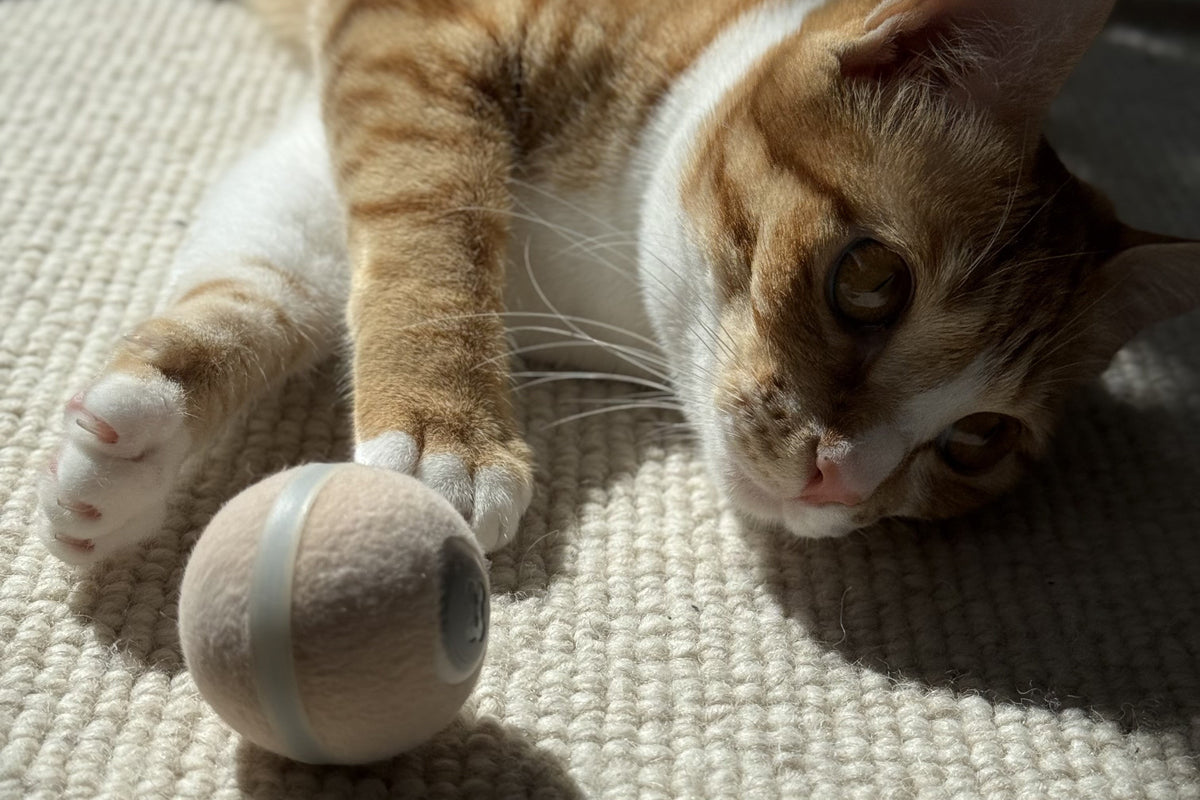
The Wicked Ball M3 lists its exact battery capacity, 200 mAh, directly on its product page, along with named materials: silicone, TPU, and synthetic fiber. That's the level of detail worth expecting from any toy running on a battery your cat's teeth will eventually meet, and it's the same standard the Wicked Mouse Neo holds to, with its own battery and material specs listed rather than folded into a single generic line about being "pet-safe."
None of this means a toy without a listed spec sheet is automatically dangerous. It just means the ones that spell things out make the decision easy instead of leaving you to guess, and that's a habit worth carrying over to every battery-powered toy in the house, whatever brand happens to be on the box.
The Bottom Line
There's no official checklist that every automatic cat toy has to pass, but that's more of a reason to know what a good one looks like than a reason to worry. A named battery capacity, a specific material, and a shell solid enough to resist casual prying cover most of what actually matters, and they only take a few minutes to confirm on any product page. If your cat has a specific health condition or a toy ever looks questionable, a quick call to your vet settles it faster than any amount of label-reading. Otherwise, a few minutes of comparing spec sheets before you buy is really all it takes.
Related reads:



Leave a comment
All comments are moderated before being published.
This site is protected by hCaptcha and the hCaptcha Privacy Policy and Terms of Service apply.