


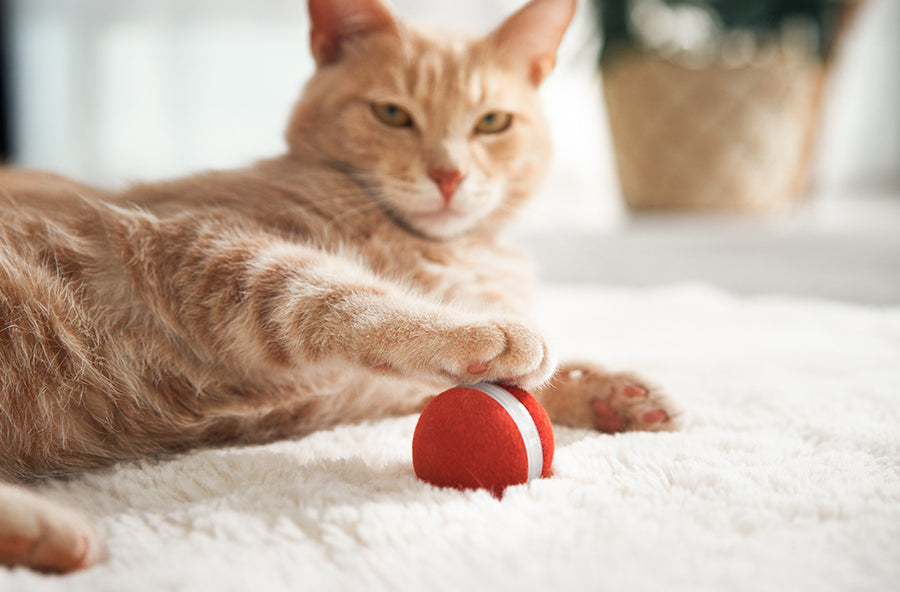
Quick answer: Cats may appear to drink little because part—or most—of their total water can come from food. Their drinking also varies with diet, temperature, activity, health and individual preference. A low number of bowl visits does not prove dehydration. A sudden change in drinking or urination, or any change accompanied by illness, should be discussed with a veterinarian.
The phrase “cats do not drink enough water” compresses several different questions into one. How much does the cat lap from a container? How much water is present in food? Is the current pattern normal for this individual? Is the cat losing more water than usual?
Separating those questions gives a more accurate view of feline hydration—and avoids assuming that every cat needs the same bowl, fountain or target volume.
Why do some cats drink only small amounts?
Food contributes to total water intake
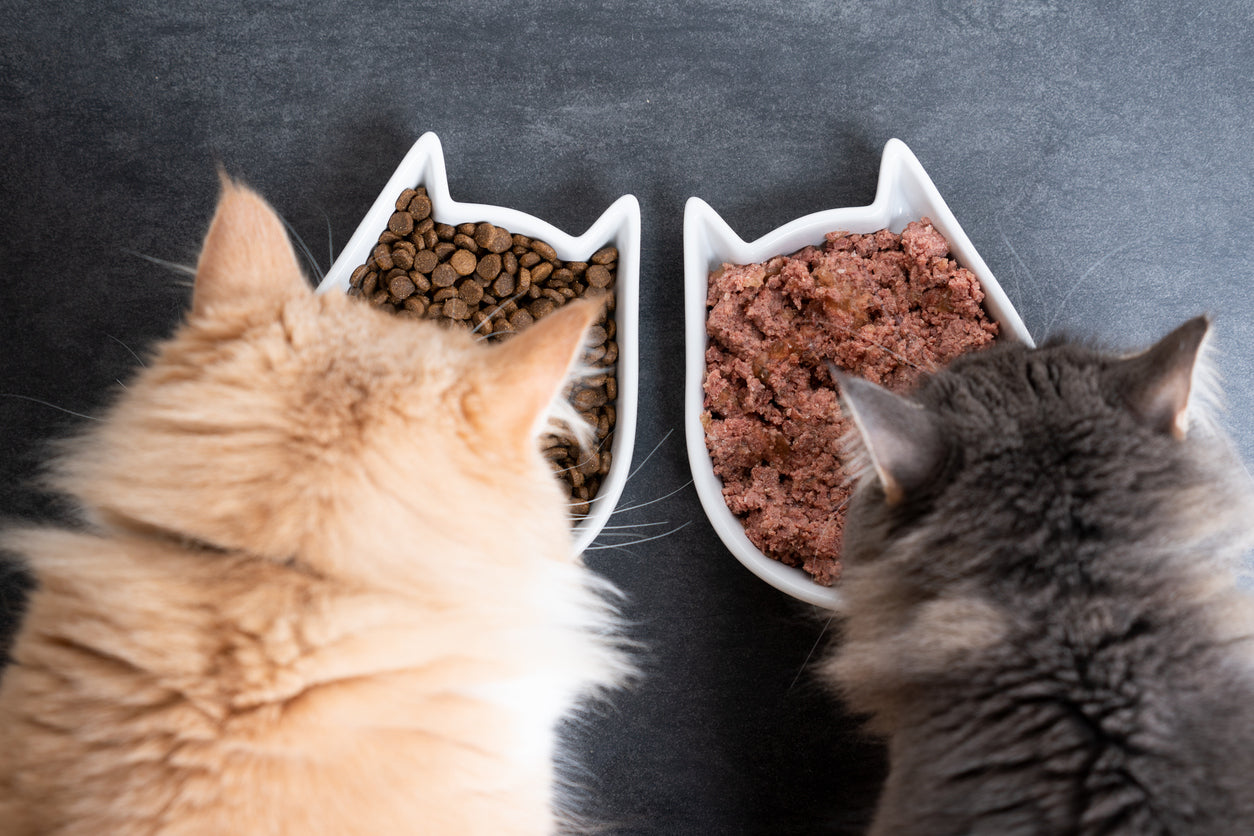
A cat’s total intake is the combination of food moisture and separately consumed water. Cornell Feline Health Center explains that wet food can support water intake because it contains considerably more moisture than dry food.
This means a cat eating moisture-rich meals may drink less visibly than a cat eating dry food without necessarily taking in less total water. It also means that measuring only the bowl can produce an incomplete answer.
Evolution helps explain behavior, but it is not a diagnosis
Domestic cats descended from animals adapted to relatively dry environments. That history may help explain why many cats do not drink in the same obvious way as dogs. It does not prove that an individual cat is chronically dehydrated or that all cats need a moving water source.
For a closer examination of that distinction, see Are Cats Chronically Dehydrated? What the Evidence Shows.
Preferences are individual
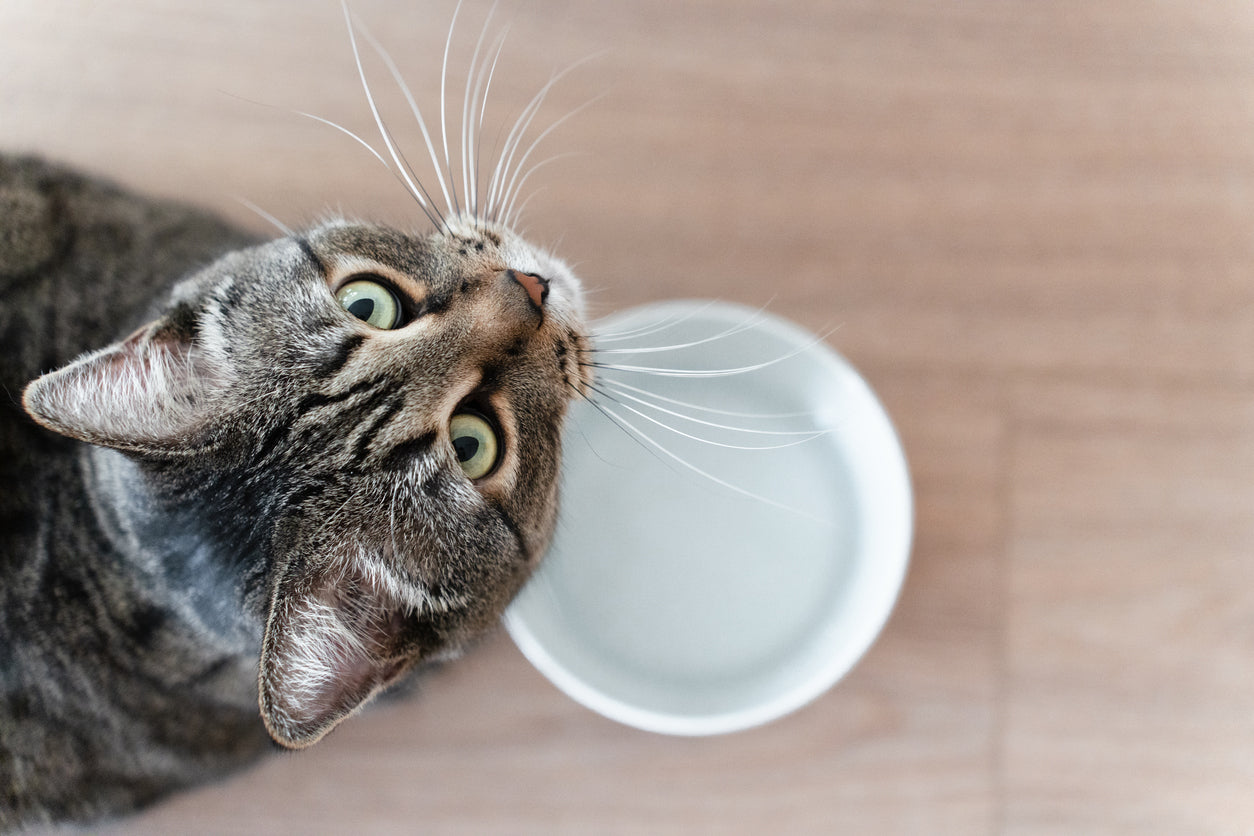
Water freshness, location, container width, household noise and access can affect use. Some cats investigate moving water; others continue to prefer a familiar bowl. In multi-cat homes, one pet may also discourage another from approaching a shared location.
Preference should be tested rather than assumed. Offer a clean alternative without removing the familiar source, then observe the response.
What research says about bowls and fountains
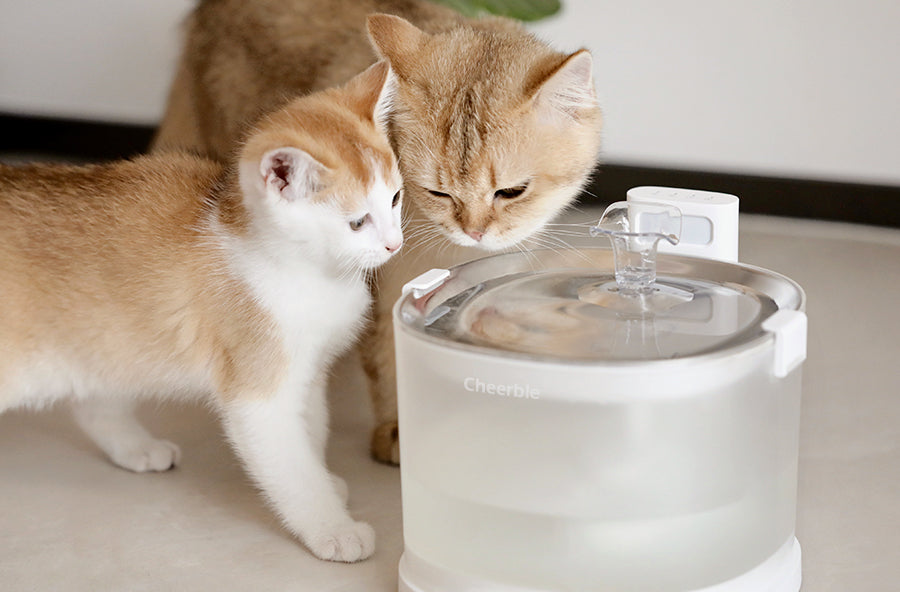
There is no sound basis for promising that a fountain will make every cat drink more or increase intake by a fixed percentage. A small controlled study published in the Journal of Feline Medicine and Surgery evaluated different water presentation methods and found substantial individual variation rather than a consistent overall fountain advantage.
That does not make fountains useless. It means they should be treated as one possible source. A cat that prefers moving water may use one readily; another may choose a bowl. The practical goal is reliable access to a source the cat accepts, not a universal ranking of devices.
| Factor | What it can change | What it cannot tell you alone |
|---|---|---|
| Wet versus dry food | How much water arrives with meals | Whether a diet is medically appropriate |
| Bowl versus fountain | Which source an individual cat prefers | Whether the cat is clinically dehydrated |
| Visible drinking | A change from the cat’s normal routine | Total intake without food moisture |
| Urination | A change worth recording for a veterinarian | The underlying disease or diagnosis |
Diet moisture is a major part of the equation
Research on feline water balance consistently distinguishes drinking water from total water intake. Studies of higher-moisture diets generally find that increasing food moisture can increase total water consumed and affect urine volume or concentration. Results depend on the diet, cats and study design, so they should not be translated into a guaranteed medical outcome.
Do not change a prescribed diet or add large amounts of water without veterinary guidance. Cats with kidney disease, urinary disease, diabetes, food sensitivities or poor appetite may need an individualized plan. The comparison of wet and dry food for hydration explains the practical differences without treating one diet as universally best.
How to assess your cat’s pattern
Focus on baseline and change. Observe the amount offered, spills, food type, other pets and litter-box output. If you measure drinking, do it over several ordinary days rather than after exercise, travel or a diet change.

- Record whether the diet is wet, dry or mixed.
- Measure water before and after 24 hours when practical.
- Account for evaporation, spills and shared containers.
- Note urination, appetite, weight, vomiting, diarrhea and energy.
- Compare with the cat’s usual pattern rather than another cat’s.
A veterinarian can interpret these observations in context. Online formulas can provide an estimate, but they cannot determine whether an individual cat is hydrated or identify a disease.
When drinking changes need veterinary attention
Both reduced and increased drinking can matter. Contact a veterinarian promptly if the change is sudden or occurs with poor appetite, repeated vomiting or diarrhea, weakness, marked lethargy, dry or tacky gums, sunken eyes, weight loss, or a major change in urination.
Straining to urinate, repeatedly entering the litter box while passing little or no urine, crying during attempts, or becoming distressed can indicate an obstruction. This is an emergency, particularly in male cats. Seek veterinary care immediately rather than attempting a hydration remedy at home.
Increased thirst and urination can occur with kidney disease, diabetes, hyperthyroidism and other conditions. Drinking behavior alone cannot identify which condition is present.
Building a practical water setup
Start with continuous access to clean water. Use more than one location when stairs, other pets or household activity could create a barrier. Keep water away from litter, and test distance from food if your cat avoids the current position.
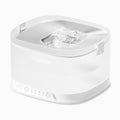
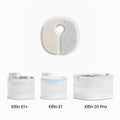
Try a wide bowl, a different safe material, or a moving source one at a time. Clean each container according to its instructions. If you introduce a fountain, keep the familiar bowl available while the cat adjusts. The cat water fountain collection provides optional moving-water sources; none should be described as treating or preventing kidney disease, urinary tract infection, crystals or obstruction.

For a step-by-step sequence, use How to Encourage Your Cat to Drink More Water. If your concern is a new refusal to drink, start with causes and warning signs.
Frequently asked questions
Why does my cat drink less than my dog?
Species, diet and behavior differ. Cats may obtain more water from food and often drink in smaller episodes. The comparison does not establish whether either pet is hydrated.
Does dry food automatically dehydrate cats?
No. Dry food contains less moisture, so cats must obtain more water separately. Hydration depends on total intake, water loss and health, not food format alone.
Will a fountain make my cat drink more?
It may if your cat prefers moving water, but research does not support a guaranteed effect for every cat. Keep another clean source available and observe actual use.
How much water should a cat drink?
Needs vary with body size, diet, environment, activity and health. Estimates should include food moisture. Ask your veterinarian when measured intake changes or you need an individual target.
Can more water prevent kidney or urinary disease?
Water is essential and hydration may be part of veterinary management, but a bowl, fountain or intake target cannot be promised to prevent or treat a disease.
Sources and further reading
- Cornell Feline Health Center: Hydration
- Journal of Feline Medicine and Surgery: Evaluation of water presentation methods
- American Veterinary Medical Association: Feline Lower Urinary Tract Disease
- International Cat Care: How to Encourage Your Cat to Drink
This educational guide does not replace veterinary diagnosis or treatment.


Leave a comment
All comments are moderated before being published.
This site is protected by hCaptcha and the hCaptcha Privacy Policy and Terms of Service apply.