


Last updated: September 2026
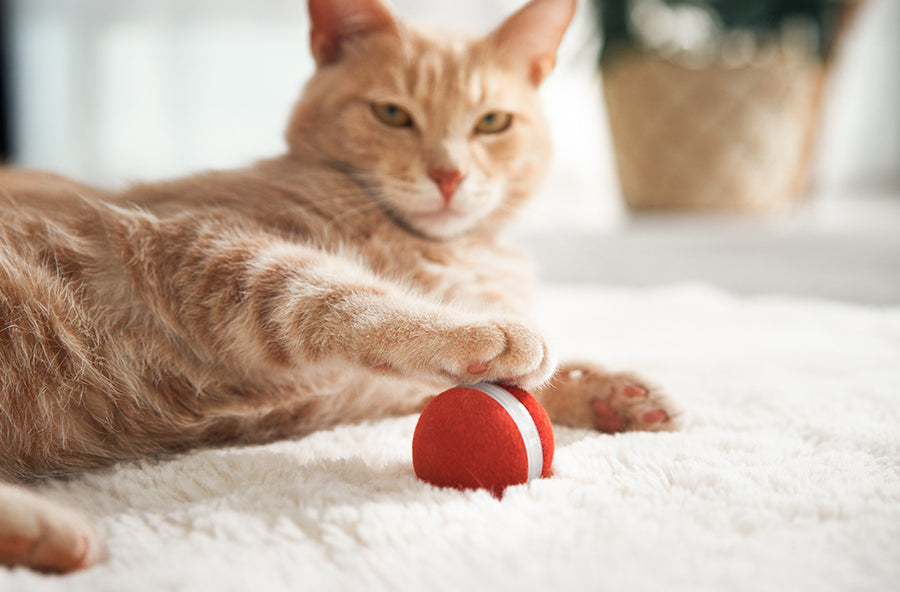
A cat may appear not to drink because wet food supplies much of their water or because they drink when you are not watching. A sudden drop in drinking, however, can also accompany pain, nausea, weakness, stress, or loss of access to water. Check appetite and urination as well as the bowl, and call a veterinarian promptly if your cat seems unwell.
Why is my cat not drinking water?
The reason may be simple, such as an unappealing bowl or stale water, but a change in drinking can also be a health warning. The most useful first step is to separate a long-standing preference from a sudden change in behavior.
| What you notice | Possible explanation | What to do next |
|---|---|---|
| The bowl level barely changes, but your cat eats wet food and behaves normally | Food may provide a large share of total water intake | Measure water over 24 hours and compare with your cat’s usual pattern |
| Your cat sniffs the bowl and walks away | Water freshness, bowl shape, material, location, noise, or another pet may be discouraging access | Offer a clean bowl in a quiet second location and test one change at a time |
| Drinking, appetite, or activity suddenly decreases | Pain, nausea, dental discomfort, weakness, or another illness may be involved | Contact your veterinarian rather than assuming it is only a preference |
| Your cat strains to urinate or passes little or no urine | A urinary obstruction is possible | Seek emergency veterinary care immediately |
This table is a triage guide, not a diagnosis. A veterinarian needs the cat’s history and an examination to identify a medical cause.
Common non-medical reasons cats avoid a water bowl
The water or container is unappealing
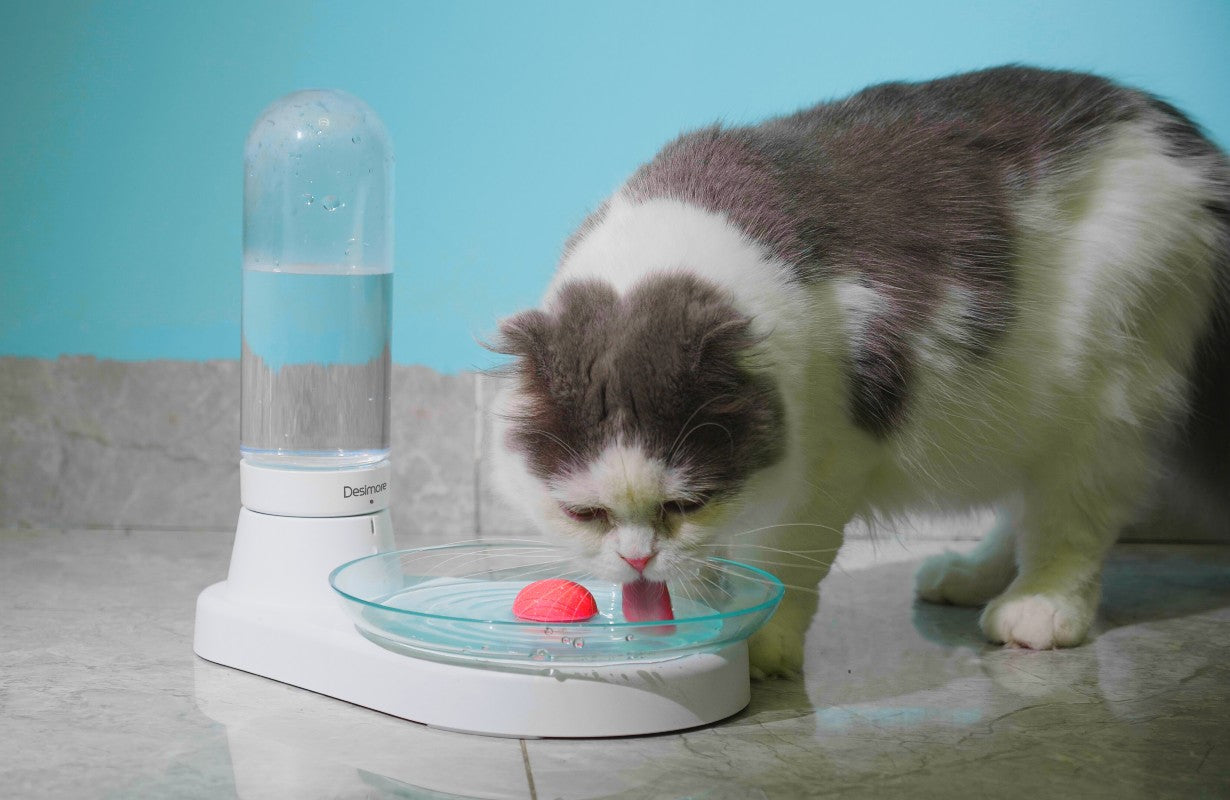
Cats differ in their preferences. Some avoid water that has been standing for a long time, a bowl that carries food or detergent odors, or a container that feels cramped. International Cat Care advises trying glass or ceramic bowls and notes that many cats prefer a wide, shallow container.
The location feels unsafe or inconvenient
A busy doorway, noisy appliance, litter tray, food station, or wall that limits the cat’s view can make a water location less appealing. Place water in a quiet, easily accessible area. In a multi-cat home, provide more than one station so another animal cannot control access.
Your cat gets water from food
Water in food contributes to total intake. Cornell’s Feline Health Center notes that cats eating wet food may drink less from a bowl, while cats eating dry food usually obtain more of their daily water by drinking. Bowl visits alone therefore do not show the whole picture.
Your cat prefers moving water—or does not
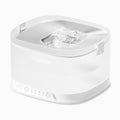
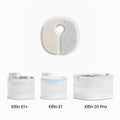
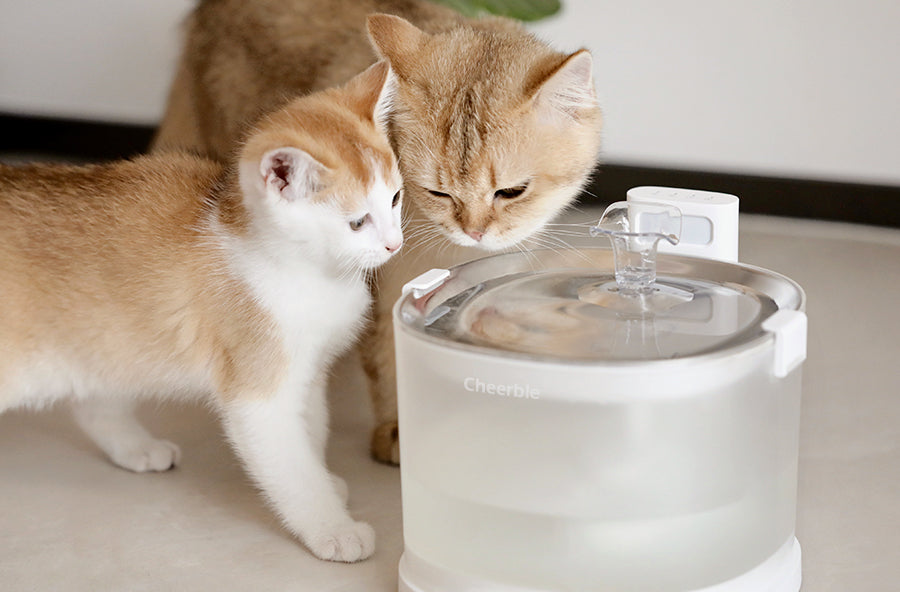
Some cats drink more readily from moving water, while others prefer a still bowl. A fountain is an option, not a medical treatment or a guaranteed solution. Introduce one gradually and keep a familiar bowl available while your cat decides.
Medical reasons a cat may stop or struggle to drink
Dental or mouth pain can make drinking uncomfortable. Nausea, vomiting, diarrhea, fever, weakness, and reduced appetite can also change water intake. Cats with kidney disease, diabetes, hyperthyroidism, or other conditions may become dehydrated even when their drinking pattern seems unusual in the opposite direction.
Do not try to identify the disease from drinking behavior alone. A sudden change, especially when combined with appetite, weight, energy, vomiting, or litter-box changes, deserves veterinary advice.
What should I check at home?
- Compare with your cat’s normal pattern. Note when the change began and whether it was sudden or gradual.
- Look at food intake. Record wet and dry food, but do not make an abrupt diet change for a sick cat.
- Watch the litter box. Note urine frequency and amount without using it as a home diagnosis.
- Measure rather than guess. Fill a measured amount of water and check what remains after 24 hours, allowing for spills and evaporation.
- Check access. Confirm that water is fresh, the container is clean, and no pet is blocking the route.
- Record other signs. Appetite loss, vomiting, diarrhea, lethargy, weakness, mouth discomfort, or changes in urination are important details for your veterinarian.
For a separate guide to intake estimates, see how much water a cat needs daily. Individual needs vary with diet, body size, activity, environment, and health.
Safe first steps if your cat otherwise seems well
- Refresh the water and wash the container.
- Add a second water station in a quiet location away from food and litter.
- Try a wide, shallow glass or ceramic bowl.
- Offer both a familiar bowl and a gradually introduced fountain.
- Ask your veterinarian whether wet food or adding water to food is appropriate, especially if your cat has a prescribed diet.
Use the detailed step-by-step guide to encourage a cat to drink more water for setup ideas. Do not force water into a resisting cat’s mouth or delay veterinary care while trying a new bowl or fountain.
When is not drinking an emergency?
Seek emergency veterinary care if your cat repeatedly strains to urinate, cries in the litter box, becomes increasingly distressed, or passes little or no urine. Cornell describes urethral obstruction as an absolute emergency requiring immediate treatment.
Contact a veterinarian promptly if reduced drinking occurs with marked lethargy, weakness, poor appetite, repeated vomiting or diarrhea, dry or tacky gums, or sunken eyes. Cornell lists these among signs or causes associated with dehydration and advises prompt veterinary contact when dehydration is suspected.
A skin-tent check is not definitive. Cornell notes that older cats can have reduced skin elasticity even when normally hydrated. Use visible signs as reasons to call a veterinarian, not as proof of a diagnosis.
How this page differs from related cat hydration guides
- This page: reasons for reduced drinking and warning signs.
- Encouraging drinking: practical changes to bowls, locations, food moisture, and fountain introduction.
- Dehydration signs: closer review of symptoms and the limits of home checks.
- Wet food vs dry food: how dietary moisture changes drinking behavior.
- Feline hydration science: why cats often have a low thirst drive.
Frequently asked questions
Why does my cat sniff water but not drink?
The cat may dislike the water’s freshness, the container, the location, or activity around the bowl. Mouth pain, nausea, or another illness is also possible. Try one safe setup change, but contact a veterinarian if the behavior is new or comes with appetite, energy, vomiting, or urination changes.
Can wet food explain why my cat rarely visits the bowl?
Yes. Wet food contributes substantial water, so a cat eating it may drink less visibly than a cat eating mostly dry food. That does not mean every low intake is normal; compare with the cat’s usual behavior and consider food, drinking, and urination together.
Will a water fountain make every cat drink more?
No. Cornell notes that some cats increase intake with a fountain, but individual preferences vary. Keep a familiar bowl available during a gradual introduction, clean the fountain as directed, and treat it as another water option rather than a cure or disease-prevention device.
How long can a cat go without drinking?
There is no safe universal waiting period for a cat that has stopped drinking. Diet, illness, heat, vomiting, and other factors change the risk. If the change is sudden or your cat seems unwell, call a veterinarian promptly instead of waiting for a fixed number of hours.
What if my cat is not drinking and not urinating?
Little or no urine, repeated straining, crying, or increasing distress can indicate a urethral obstruction. This is a veterinary emergency. Do not wait for a new bowl, fountain, food change, or home hydration method to solve it.
Sources and further reading
- Cornell Feline Health Center: Hydration
- Cornell Feline Health Center: Feline Lower Urinary Tract Disease
- International Cat Care: How to Encourage Your Cat to Drink
This educational guide does not replace veterinary diagnosis or treatment.


Leave a comment
All comments are moderated before being published.
This site is protected by hCaptcha and the hCaptcha Privacy Policy and Terms of Service apply.