










Watch for dry, tacky gums, skin that stays tented after a gentle pinch, sunken eyes, and low appetite. Press a cat's gum lightly: color should return within two seconds. If skin stays lifted or gums stay pale, dehydration is likely, and a vet visit is the safest next step.
A dehydrated cat doesn't collapse dramatically. It just gets a little quieter, a little less interested in breakfast, and owners often don't notice until a vet points it out during an unrelated visit.
The assumption that dehydration always looks obvious is wrong. Cats are built to hide weakness, so by the time one seems visibly unwell, dehydration is often already moderate. Two checks, each under a minute, done at home, catch it earlier than waiting for behavior to change on its own.
Why Cats Become Dehydrated in the First Place
The Low-Thirst Baseline
Cats naturally drink less than most other pets to begin with, a trait tied to their desert-dwelling ancestry and a body built to run on water pulled from prey rather than a bowl. That baseline means every cat starts closer to the edge of dehydration than a dog of the same size does, before any illness or heat even enters the picture.
Age adds another layer on top of that baseline. Very young kittens and older cats are both more prone to dehydration than a healthy adult cat, and the same goes for a nursing mother losing fluid through milk production, according to Small Door Veterinary. None of these cats are doing anything wrong. Their margin for error is just smaller.
Common Triggers That Push It Further
Vomiting, diarrhea, heatstroke, and simply not eating or drinking enough are the most common everyday causes of dehydration in cats, according to Small Door Veterinary. Underlying conditions raise the risk further. Diabetes and kidney disease both cause a cat to lose more water than usual, and fever or traumatic injury can tip a cat into dehydration quickly, per Sandra C. Mitchell, DVM, DABVP, writing for PetMD. Hot weather and dry indoor air add a slower, quieter version of the same pressure.
If reduced drinking is sudden or appears with appetite, energy, vomiting, or urination changes, review why a cat may stop drinking and which warning signs need veterinary care.

What Dehydration Actually Does to a Cat's Body
First, Electrolytes Go With the Water
Dehydration in cats rarely involves water loss alone. As fluid drops, cats typically lose electrolytes like sodium, calcium, and potassium alongside it. Those electrolytes keep organs and tissues functioning normally, so losing them compounds the problem well beyond simple thirst. Muscles, nerves, and the heart all depend on that balance, which is part of why vets check blood electrolyte levels alongside hydration status when a cat comes in dehydrated. Cats with chronic kidney disease face this cycle on a running basis: because damaged kidneys can't conserve water properly, most cats with the condition carry some degree of dehydration at any given time, according to the Cornell Feline Health Center.
Second, Circulation Slows Down
As blood volume drops, circulation to the gums and extremities slows with it. This is the physiological reason a capillary refill check works as an early indicator. Healthy circulation returns color to a pressed gum almost instantly; a dehydrated cat's circulation can't refill that capillary bed as fast.
Third, Skin Loses Its Elasticity
Skin relies on fluid sitting in the tissue underneath it to snap back into place after being pulled. As that reserve drops, skin takes longer to return to normal, which is the mechanism behind the skin tent test. Small Door Veterinary notes this test is less reliable in overweight cats, since extra fat under the skin can make it snap back quickly even when a cat is dehydrated. PetMD adds that it also becomes less reliable in older cats or those with chronic illness, since skin naturally loses elasticity with age regardless of hydration.
How to Check for Dehydration at Home
The Gum and Skin Tests, Step by Step
Lift a cat's lip and press a fingertip against the gum just above the tooth line. Healthy gums feel wet and slightly slippery and return to pink almost immediately after being pressed. Dry or tacky gums, or ones that stay pale, point to dehydration.
For the skin test, gently pinch a small fold of skin between the shoulder blades, lift it slightly, and let go. Well-hydrated skin snaps back within a couple of seconds. Skin that sinks back slowly, or stays tented, suggests dehydration, keeping in mind the overweight and senior-cat caveats above. The Merck Veterinary Manual notes that testing over the lateral thorax gives a more reliable read than the scruff in cats, since scruff skin stays naturally elastic regardless of hydration status.
Run both tests together rather than relying on just one. A cat can pass the gum check and still show delayed skin snap-back, or the other way around, especially early on when dehydration is still mild.
Other Signs to Watch For
Sunken eyes, low energy, reduced appetite, and dark or strong-smelling urine round out the common warning signs, according to both PetMD and Small Door Veterinary. Panting and unusually pale or bright red gums are worth watching for too, since both point toward the same underlying fluid problem from a different angle. None of these signs alone is proof of dehydration, but two or more showing up together is worth taking seriously.
When to Skip the Home Check and Call the Vet
Some signs mean it's time to stop testing at home and get professional care immediately: repeated vomiting, diarrhea lasting over 24 hours, refusal to eat, collapse, or abnormal breathing. PetMD is direct on one point specifically: never force water or use a dropper on a dehydrated cat, since fluid can end up in the lungs instead of the stomach.
Once a cat reaches the clinic, treatment usually matches how severe the dehydration is. Mild cases are often treated with fluids given under the skin as an outpatient, while more severe dehydration may call for an IV catheter and a hospital stay. Catching the signs early at home is what usually keeps a case in that first, simpler category.

Solutions That Actually Help
Wet Food, the Easiest Non-Gadget Fix
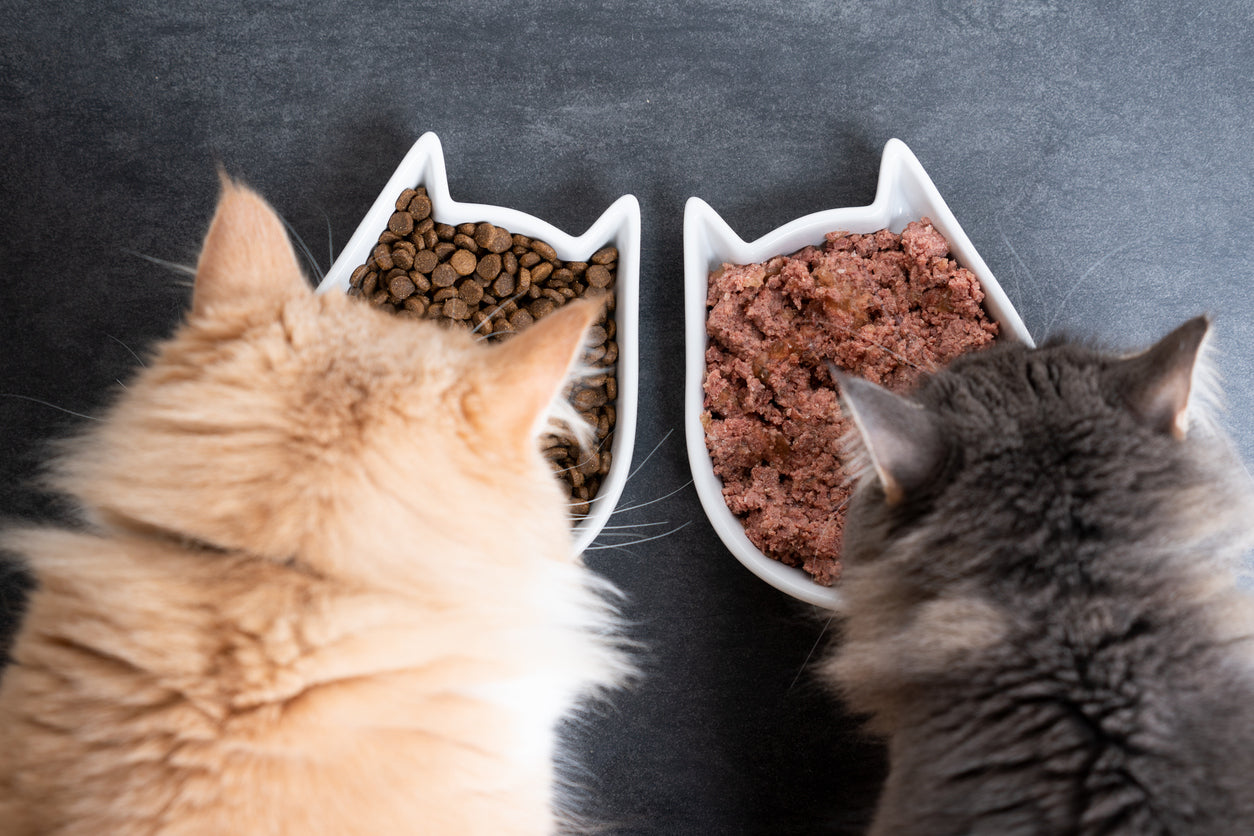
Canned food carries far more moisture than dry kibble, and a cat eating wet food regularly is usually hydrated through diet alone, according to PetMD. As a rough baseline, cats need about 4 ounces of water for every 5 pounds of body weight a day, whether that comes from a bowl, a fountain, or their food. A cat on mostly dry kibble has to make up that entire amount by drinking, which is exactly the group most worth watching for the signs above.
A Smart Fountain That Keeps Water Moving
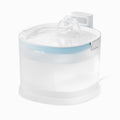
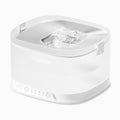
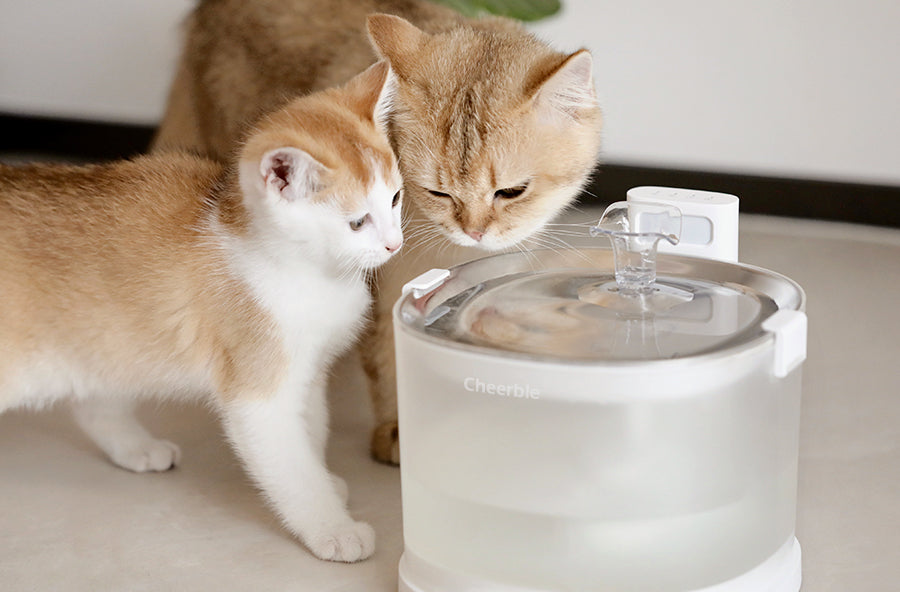
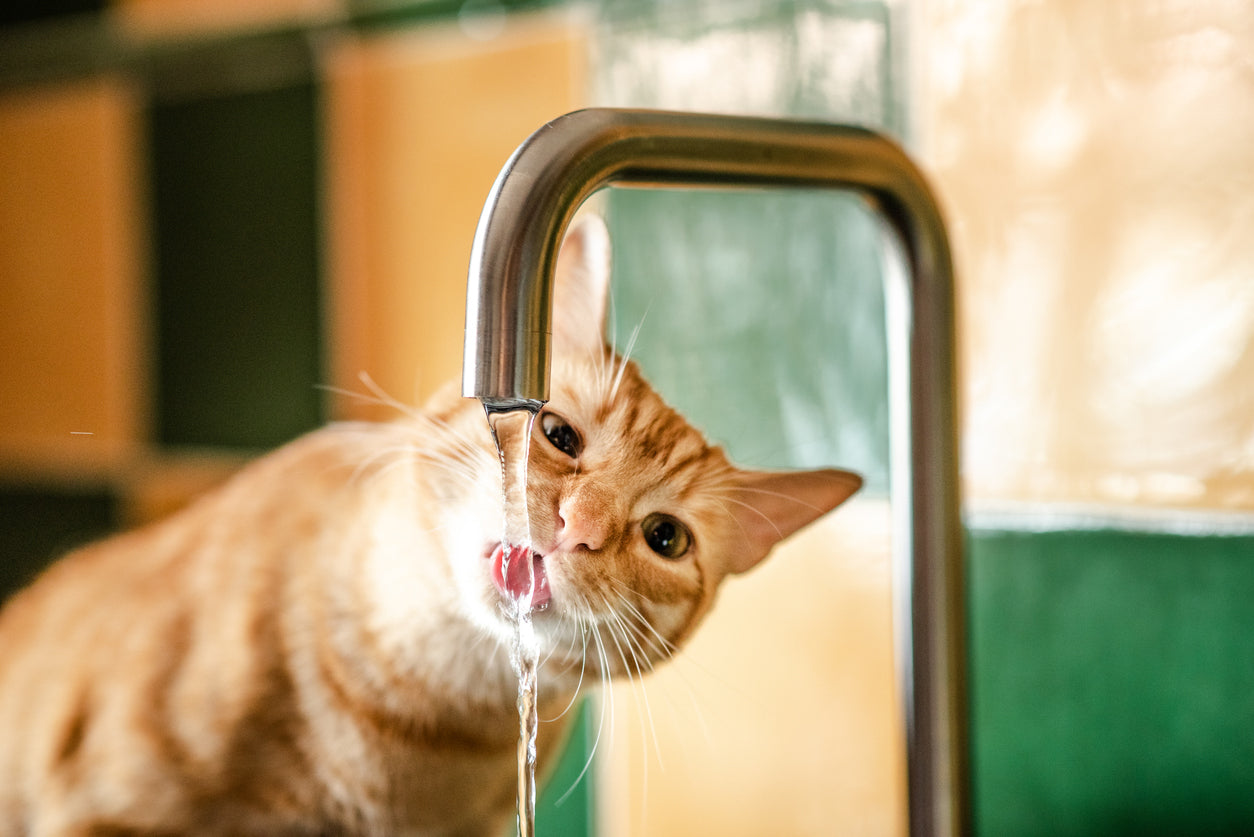
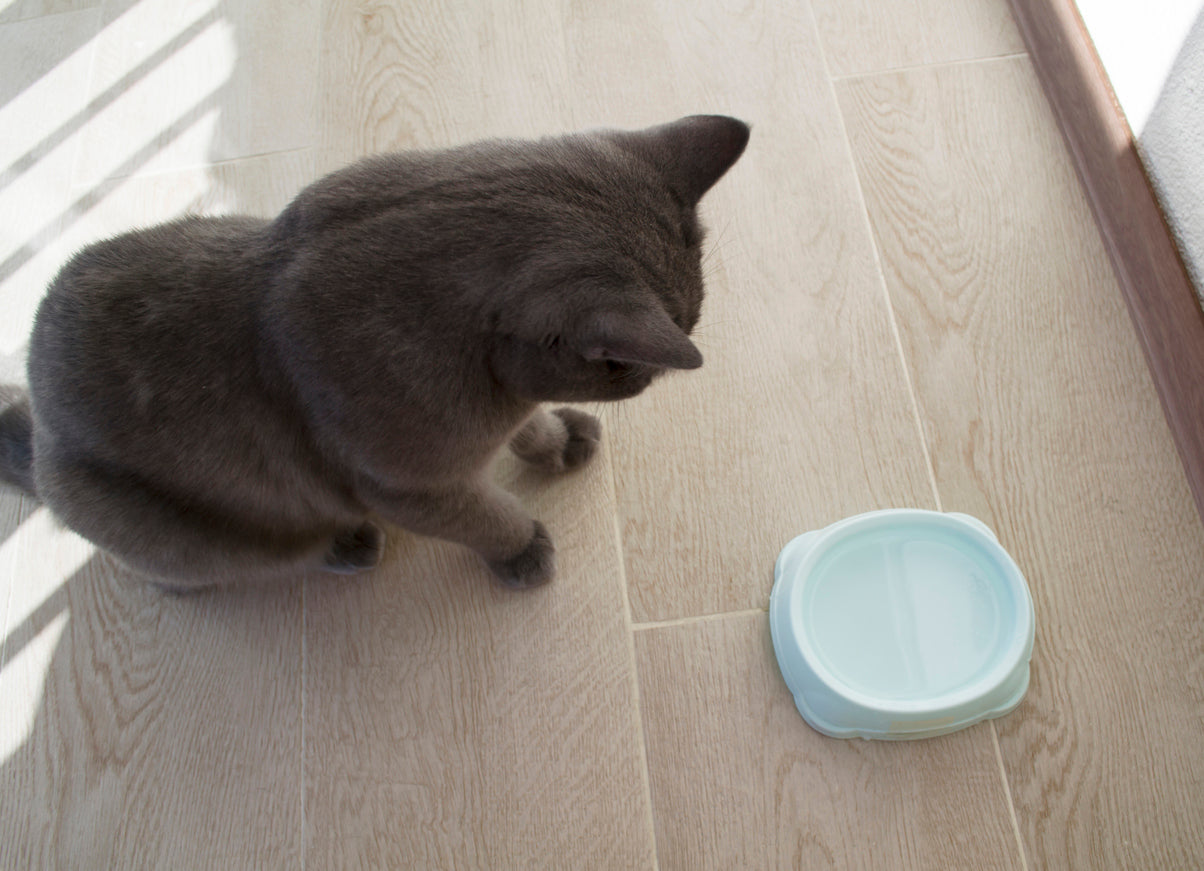
Cats are drawn to moving water over a still bowl, an instinct tied to how their wild ancestors judged which water sources were safe to drink from. That's part of why Elfin E1+ exists: a pumpless fountain with a stainless steel tray that keeps water circulating and appealing without turning cleaning into a chore.
Multiple Water Stations, Placed Right
Beyond the bowl itself, placement matters. Small Door Veterinary recommends multiple water bowls spread across different rooms or floors, particularly for older cats or multi-level homes, and water should sit well away from food and litter, since many cats instinctively avoid drinking near either one. Refreshing the water and rinsing bowls daily also keeps bacteria and slime from building up, which can put a cat off drinking just as much as the wrong bowl placement can. Constant access to fresh water is basic supportive care for any at-risk cat, a point reinforced in the AAHA/AAFP fluid therapy guidelines.
Conclusion
A dehydrated cat rarely announces it. The signs show up in small places first, a gum that stays pale a beat too long, skin that settles back slowly, one skipped meal, and catching them early is what keeps a manageable problem from turning into an emergency vet visit.
Related reads:

Leave a comment
All comments are moderated before being published.
This site is protected by hCaptcha and the hCaptcha Privacy Policy and Terms of Service apply.