






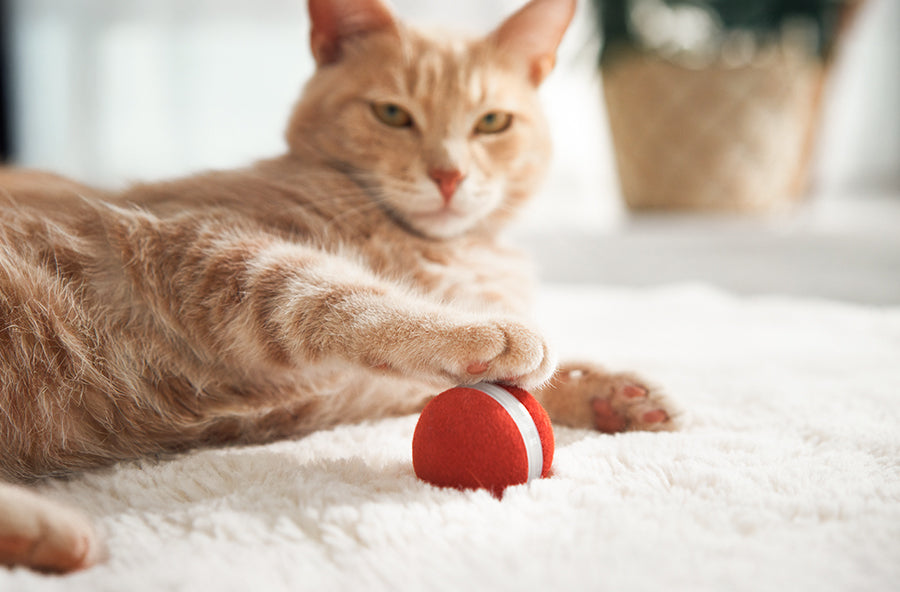
A cat water fountain can be worth it if your cat chooses to use moving water and you can keep the device clean. It is not a guaranteed way to increase drinking, and it is not a treatment for urinary or kidney disease. For some households, a simple, well-placed bowl is the better answer.
The decision comes down to your cat's behavior, the water sources already available and the work you are willing to do after buying. Here is a practical way to weigh the benefits and trade-offs without treating a fountain as a must-have.
Who May Benefit from a Cat Water Fountain?
Watch preference before assuming a benefit
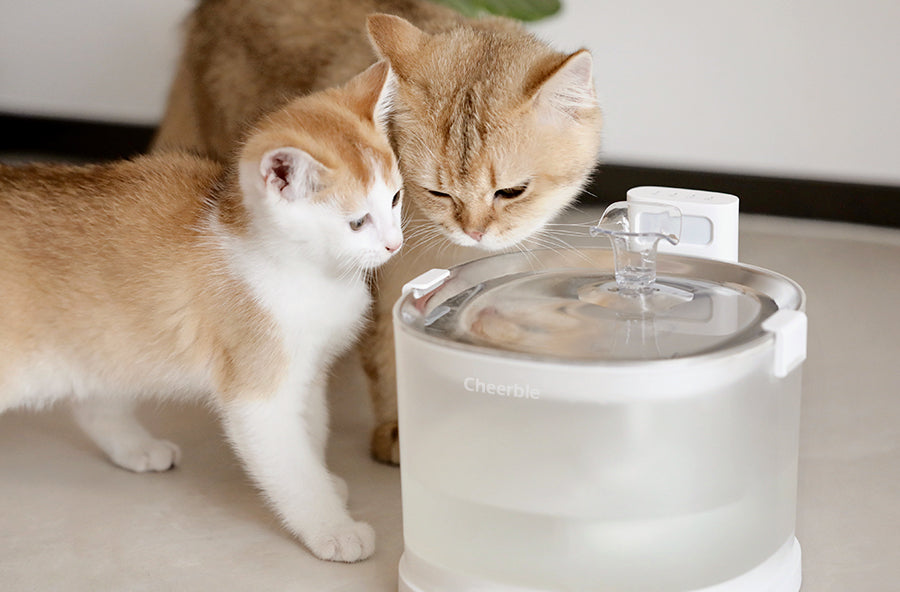
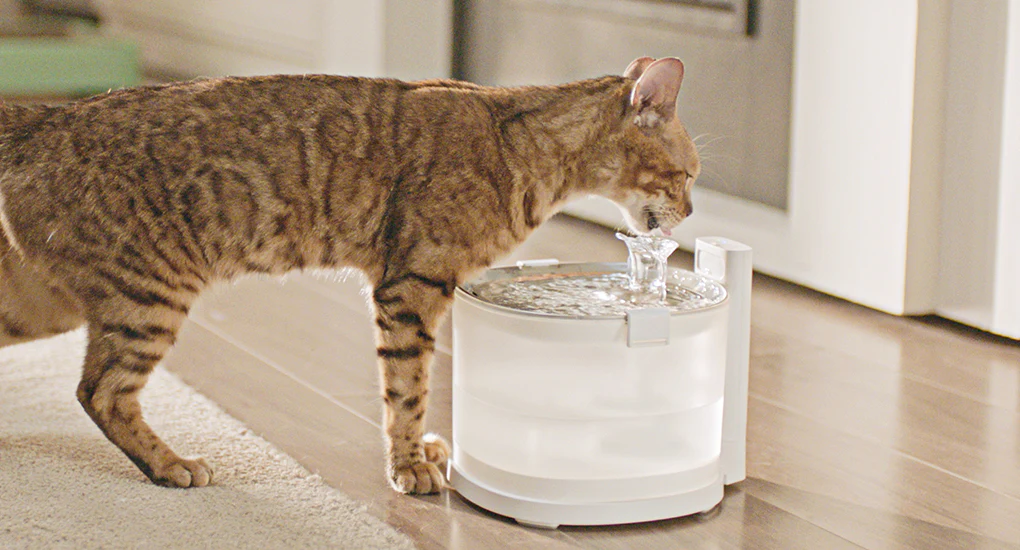
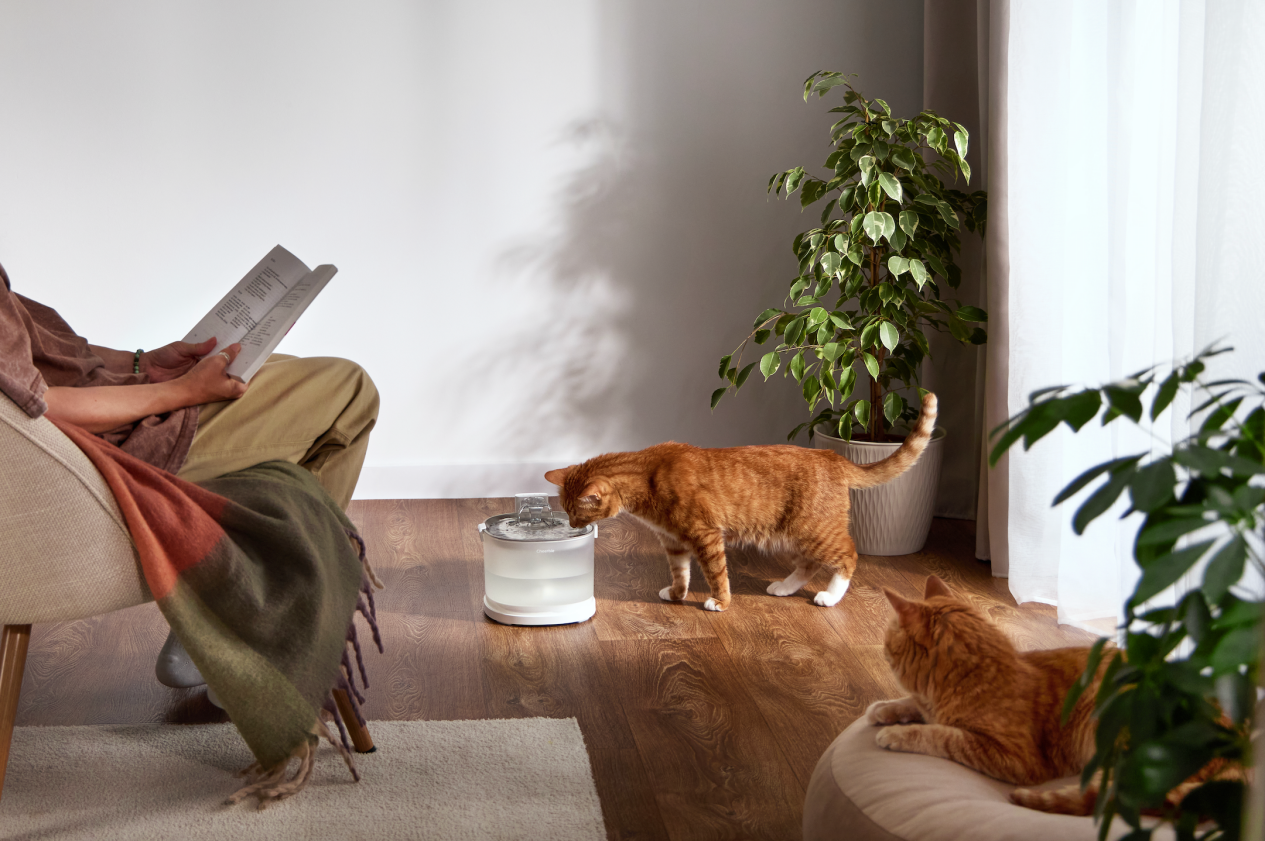
Some cats investigate a running tap or seem interested in moving water. Others drink happily from a still bowl and avoid splashing or unfamiliar sounds. International Cat Care includes fountains among the possible ways to offer water, while emphasizing that cats have individual preferences. Interest in a tap is a reason to try a fountain, not proof that your cat will drink more from one.
Notice what your cat actually does. Does it drink, play with the stream or leave? Give a cautious cat time to inspect the fountain. Keep its familiar bowl in place during the trial.
Add access, especially in a multi-cat home
A second drinking location may be useful when one cat watches or blocks another cat near a shared bowl. The benefit here is another accessible water station; it does not depend on a fountain being superior to a bowl. Place water where cats can approach and leave easily, away from a cramped corner or a route another pet can guard.
If your cat already uses a clean bowl comfortably, a fountain is optional. Evaluate it by observed use in your own home.
What Are the Real Trade-Offs?
Cleaning takes more than refilling
A bowl is quick to empty and wash. A fountain has more water-contact surfaces: the reservoir, tray, spout and sometimes a filter holder or narrow channel. Hair, saliva and residue can collect out of sight. Before buying, check whether you can reach each surface that touches water.
A filter can have a useful role in a fountain, but it is not a substitute for washing the device or refreshing its water. Follow the instructions for the exact model rather than assuming every part is dishwasher safe or every filter lasts the same length of time. If the cleaning steps feel unrealistic for your routine, a bowl that you will clean consistently is a sensible choice.
Filters, noise and power add ongoing work
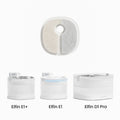
The purchase price is only part of the cost. Check the price and availability of the exact replacement filter and any parts that wear out. Similar-looking filters may belong to different models, so confirm compatibility on the official product page or manual before ordering.
Listen to the fountain where you plan to use it; a cautious cat may mind its sound. If the model needs power, protect the cord and keep electrical components dry while cleaning. A battery-powered model also needs charging. Another clean water source should remain available when the fountain is unavailable.
Cat Water Fountain vs. Bowl: Which Is Better?
Keep clean water accessible either way
A fountain offers moving water and may appeal to cats that seek it. A bowl is simpler to place, refill and wash. Neither option automatically fits every cat. The most useful comparison is between the choices your household can maintain and your cat voluntarily uses.
If you try a fountain, set it near a suitable drinking location and let your cat explore. Avoid placing it next to a noisy appliance or where the cat can be trapped by another pet. Keep the old bowl available, then observe the cat over time rather than judging by one curious sniff. In a multi-cat home, check whether each cat can reach water without being watched or displaced.
Cornell's feline hydration guidance also notes that cats obtain water from food as well as drinking. A change in food moisture may affect how much you see your cat drink at a station. That is another reason not to use fountain visits alone as a measure of total hydration.
Do not mistake a fountain for medical care
A fountain cannot diagnose dehydration or prevent a medical condition. If your cat suddenly drinks much more or less, urinates differently, eats less, seems lethargic or shows other concerning changes, speak with a veterinarian. Increased thirst and urination can be signs of illness, including kidney disease. Do not assume a new fountain explains a major change in drinking behavior.
For a cat with a diagnosed condition, ask the veterinary team how to monitor water intake and whether any changes to diet or drinking setup are appropriate. Use a fountain only as one possible access option within that plan.
A Buyer Checklist Before You Decide
Match the device to your cat and home
Ask these questions before comparing product features:
If several answers are no, start with the basics: refresh the water, wash the current bowl and test a calmer location or a second bowl. Those changes may solve an access problem without adding a device to maintain.
Choose on maintenance and real use, not promises
If a fountain still makes sense, compare models by how easily you can reach their water-contact surfaces, their size for your space, the sound they make, their power needs and exact filter compatibility. Our cat water fountain buying guide covers model selection in more detail. Our cleaning guide can help you assess the maintenance before you buy.
A fountain is worth keeping when your cat chooses to use it, the setup leaves water easy to access and the upkeep fits your routine. If your cat prefers a bowl, that is useful information too. The goal is reliable access to clean water, not persuading your cat to use a particular product.
Frequently Asked Questions
Do cat water fountains make cats drink more?
They may encourage some cats that prefer moving water, but you should not assume the result applies to every cat. Keep another clean water source available and judge the fountain by your own cat's voluntary use. Food moisture also contributes to total water intake.
Can a filter replace regular cleaning?
No. A filter does not remove the need to refresh the water and wash the reservoir, tray, spout and other water-contact surfaces. Follow the instructions for the exact model and filter.
Should I remove the water bowl once my cat uses the fountain?
There is no need to make the fountain your cat's only option. A clean bowl provides a backup during maintenance or a power interruption and can help maintain access in a multi-cat home.
Is a fountain worth it for a cat with kidney disease?
A fountain may be one way to offer water, but it is not a treatment. Ask your veterinarian about your cat's hydration plan and how to monitor changes in drinking and urination.


Leave a comment
All comments are moderated before being published.
This site is protected by hCaptcha and the hCaptcha Privacy Policy and Terms of Service apply.