

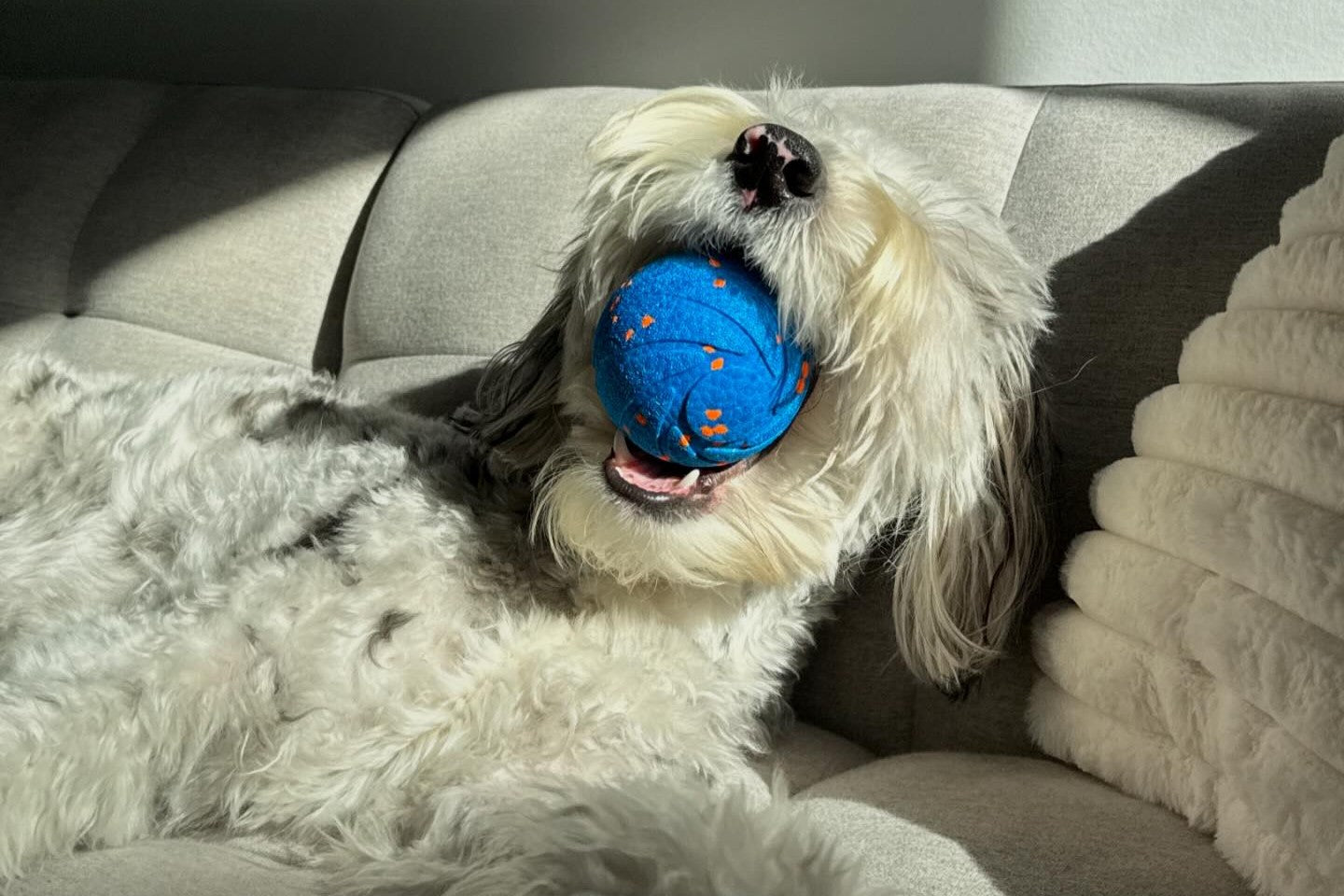
Three things decide whether an interactive dog ball works in your home: the size of your dog’s mouth, how hard your dog chews, and what your floors are like. Breed is a weak proxy. A small mixed-breed dog may need the same ball as a toy poodle; a gentle Labrador may suit a lighter ball than a determined terrier.
Use this guide to choose by fit, play style and home setup instead of a breed label.
What Is an Interactive Dog Ball?
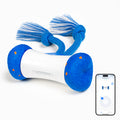
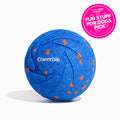
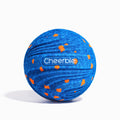
An interactive dog ball is a self-moving toy that rolls, bounces or changes direction without you throwing it. Cheerble’s Wicked Ball range uses motion sensors and automatic rest cycles: play for 10 minutes, then rest for 30 minutes before responding again. That creates short, repeatable enrichment sessions rather than an endless chase.
Motion Modes and What They Actually Change
- Normal or playful modes use more active rolling and bouncing for dogs that already enjoy chase.
- Passive or tap-activated modes wait for a nudge before moving, which suits cautious dogs and quieter homes.
- Gentle or calming modes use slower, lower-intensity movement for dogs that are easily overstimulated.
Step 1: Match the Ball to Your Dog’s Size
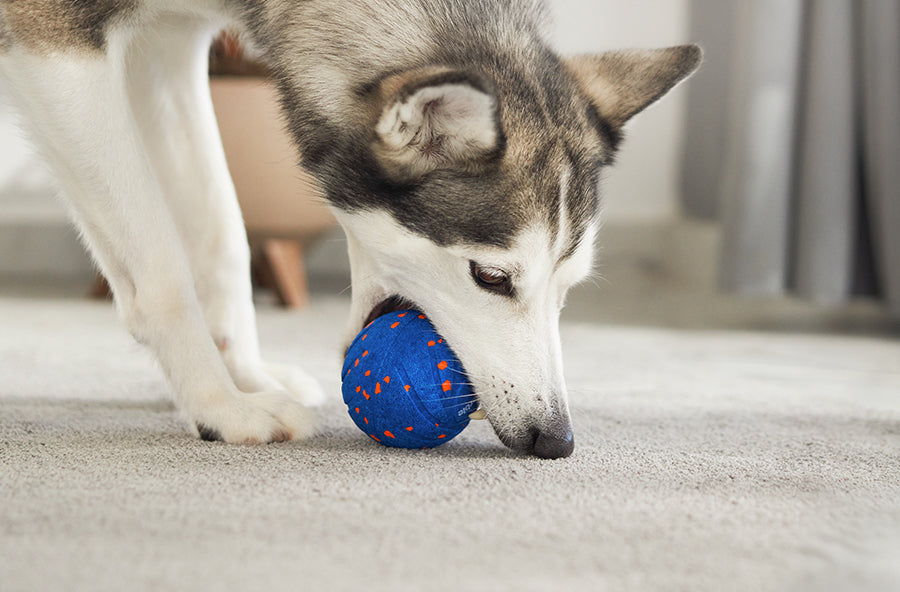
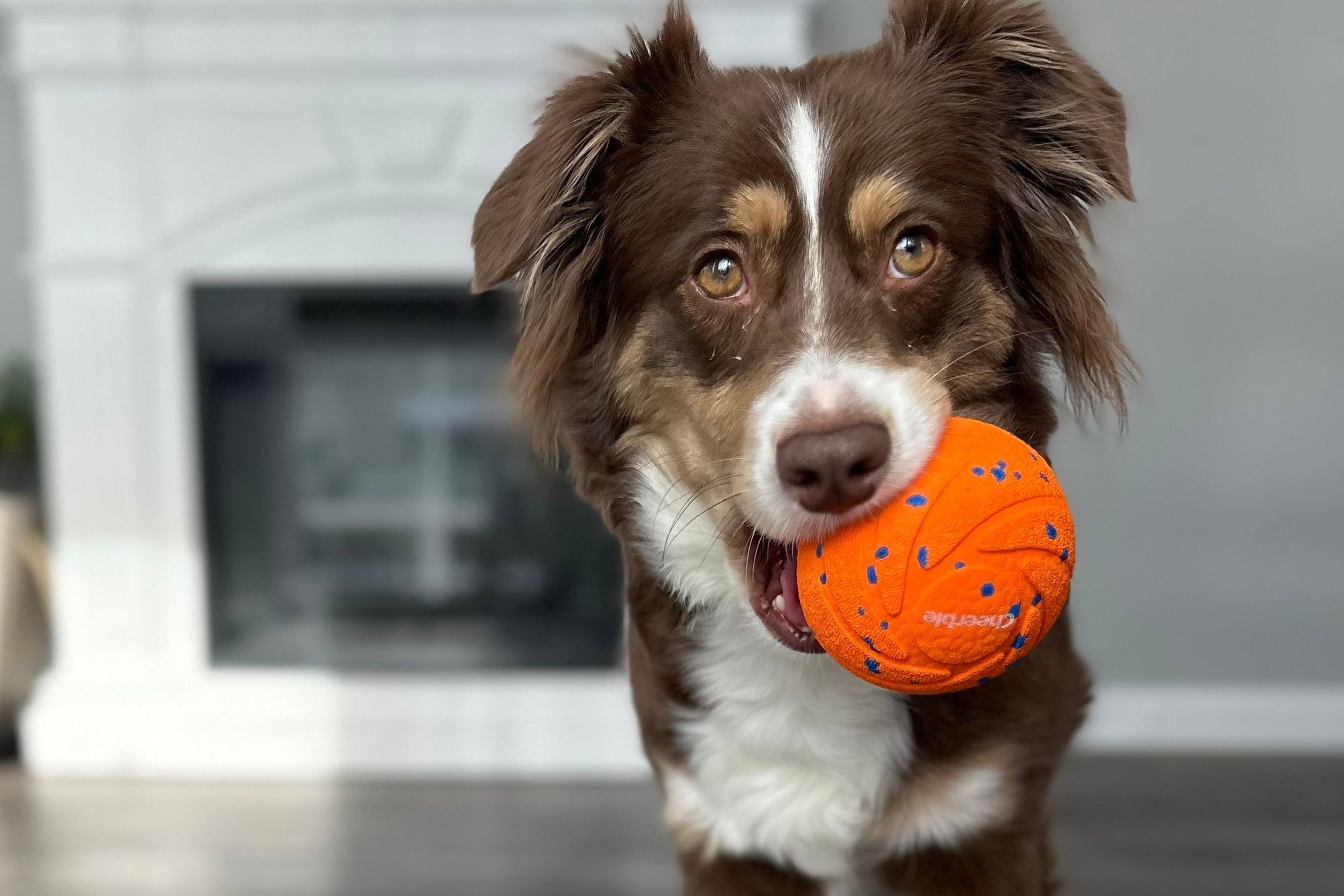
Choose a ball that is large enough that your dog cannot swallow it and light enough to push, carry or chase comfortably.
| Dog size | Useful ball diameter | Cheerble examples |
|---|---|---|
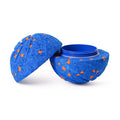
| Toy and very small | 56–68 mm | Wicked Ball SE, Wicked Ball Air Nano |
| Small to medium | 68–80 mm | Wicked Ball Air Nano, Wicked Ball Air, Wicked Ball Air Neo |
| Medium to large | 78–131 mm | Wicked Ball PE, Wicked Ball Rolly, Wicked Ball Air Rope, Wicked Rugby |
Diameter is only the first check. Weight matters too: a dog that can mouth a ball may still find it too heavy to move on carpet. When in doubt, choose the size that gives your dog room to carry the toy without being able to get it behind the back teeth.

Step 2: Match the Shell to Your Dog’s Chew Style
Motorized toys are designed for gentle chewers. They are not chew-proof, and no interactive ball should be left with a dog that tries to crack shells with their molars.
- Gentle chewers: any correctly sized ball is a good starting point.
- Determined chewers: use supervised sessions and stop play if the dog bites down rather than chases.
- Teething puppies: choose shorter, supervised sessions and a size they cannot swallow.
Step 3: Match the Ball to Your Floors
- Hard floors: most self-moving balls roll and change direction best here.
- Carpet: a lighter, larger ball is easier to keep moving; test it on your own pile height.
- Low-clearance furniture: choose a shape that is less likely to roll underneath.
- Outdoors or wet areas: only use models rated for that environment. Wicked Ball SE and PE are IP65-rated; do not submerge the motor core of other models.
Compare Cheerble Interactive Dog Balls
| Model | Size / weight | Shell | Modes | Water guidance |
|---|---|---|---|---|
| Wicked Ball SE | 56 mm / 104 g | Natural rubber | 3 modes | IP65 |
| Wicked Ball Air Nano | 68 mm / 106 g | E-TPU, ABS, PC | Playful, Tap-Activated, Calming | Keep core dry |
| Wicked Ball PE | 78 mm / 238 g | Natural rubber | 3 modes | IP65 |
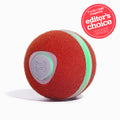
| Wicked Ball Air | 80 mm / 130 g | E-TPU | Normal, Passive, Gentle | IP65 |
| Wicked Ball Air Neo | 80 mm / 122 g | E-TPU, ABS, PC | 3 adaptive modes | Keep core dry |
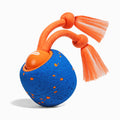
| Wicked Ball Rolly | 80 × 80 × 88 mm / 220 g | E-TPU, PC, fabric | 3 modes; sound on/off | Keep core dry |
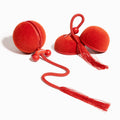
| Wicked Ball Air Rope | 86 mm ball + 220 mm rope / 182 g | E-TPU, nylon | 3 modes | Keep core dry |
| Wicked Rugby | 131 × 76 × 76 mm / 161 g | E-TPU, PC | Normal, Passive, Gentle | Keep core dry |
All models above charge by USB-C except Wicked Ball SE and PE, which use DC charging. Check each product page for its operating-temperature guidance before outdoor use.
Which Ball Fits Which Job?
- Small, gentle chaser: Wicked Ball SE or Air Nano.
- Indoor chase on hard floors: Wicked Ball Air or Air Neo.
- Tug and carry play: Wicked Ball Rolly or Air Rope.
- Large-dog fetch-style movement: Wicked Rugby.
- Wet, outdoor-friendly play: Wicked Ball SE or PE, used as directed.
How to Introduce an Interactive Dog Ball
- Let your dog inspect the ball while it is switched off.
- Start with a passive or gentler mode.
- Run a short five-minute supervised session.
- Reward calm engagement and end while your dog still wants more.
- Increase intensity only when your dog is comfortable with the movement.

Safety, Charging and Care
Supervise early sessions, inspect the shell before each use, and remove the toy if it becomes damaged. Wipe the shell with a damp cloth and mild soap, then dry it completely. Do not submerge a motorized core, and charge only with the supplied or specified cable.
Frequently Asked Questions
Should I choose by breed?
Use size, chew style and floor type first. Breed can suggest play preferences, but it is not a sizing rule.
Are interactive dog balls safe for solo play?
After several supervised sessions, many gentle chasers can enjoy short solo sessions. Dogs that bite or try to open the shell should stay supervised.
How long should a session last?
Start with five to ten minutes and watch your dog’s breathing and excitement level. Several short sessions are usually more useful than one long one.
Do these toys work for heavy chewers?
No motorized toy is chew-proof. For a determined chewer, use the ball only for supervised chase play.


Leave a comment
All comments are moderated before being published.
This site is protected by hCaptcha and the hCaptcha Privacy Policy and Terms of Service apply.