Dog

Multi-Dog Households: How to Prevent Toy-Related Resource Guarding

Multi-Dog Households: How to Prevent Toy-Related Resource Guarding
Quick Answer: Resource guarding between dogs often surfaces as dogs reach social maturity, between one and three years old. Mild cases, a stiff body or a low growl over one toy, usually respond to better toy management. Escalation to snapping or biting needs a trainer or vet behaviorist.
Two dogs that have shared a living room for years suddenly go stiff over a single tennis ball. No one taught them to react this way, and nothing about their relationship changed overnight.
Most owners read this as a sign the dogs don't actually get along. Usually it's not that broad. It's a reaction to one specific object in one specific moment, not a verdict on the whole relationship. The same two dogs that stiffen over a ball will often nap shoulder to shoulder an hour later, which is exactly what makes the behavior confusing to watch.
Knowing the difference between a normal warning and a real problem changes what you do the next time it happens.

What Resource Guarding Between Dogs Actually Looks Like

The Subtle Signs Come First

VCA Animal Hospitals notes that dogs often signal discomfort so subtly that anyone without behaviorist training can miss the early warnings entirely, right up until a physical fight breaks out. A stiff body over a toy, a hard stare, or one dog quietly picking up the toy and walking away from the other are all part of that early signaling.
None of those signs look dramatic in the moment. That's exactly why they get missed until the behavior has already escalated a few times. A dog that freezes for two seconds before deciding to walk away rarely gets a second look from a busy household, even though that freeze is one of the earliest warnings available.

What Counts as a Real Escalation

Growling, snapping, or lip curling mark the point where a subtle warning turns into something more direct. A dog that freezes over a toy and then relaxes once the other dog backs off is communicating normally. One that follows the other dog across the room to keep contesting the same toy, or that repeats the same standoff over the same toy several times a week, is doing something different.
The object matters here too. A dog guarding one specific squeaky toy but ignoring every other toy in the basket is behaving differently than a dog that tenses up around anything the other dog happens to be holding. The first is usually manageable. The second is worth watching more closely.

Why This Happens in the First Place

It Starts Earlier Than You'd Think

ASPCA notes that young puppies are prone to guarding behavior because they already have to compete with littermates for a limited amount of food. The instinct to protect something valuable from another dog isn't something that develops later in life. It's already active before a puppy ever comes home, formed in a litter where the food bowl really was limited and the competition really was real.
That early experience doesn't disappear just because an adult dog now has plenty of food and toys available. The instinct stays, even after the scarcity that originally justified it is long gone.

Why It Often Surfaces Later, Not Immediately

VCA Animal Hospitals points out that aggression between household dogs often begins once the younger dog reaches social maturity, somewhere between one and three years old, not in puppyhood. The trigger is usually something perceived as valuable and limited: a favorite toy, a food bowl, a resting spot, or even attention from a person in the room.
A toy that never caused a problem at eight months old can suddenly become worth defending at eighteen months, once the younger dog's social maturity catches up to the older one's. Nothing about the toy changed. What changed is the relationship between the two dogs, and a shared toy is one of the first places that shift becomes visible.

Normal Grumbling vs. a Real Problem

What's Still Manageable at Home

A stiff posture or a low growl that stays contained to one specific toy, and resolves the moment that toy is removed or the dogs are separated, is usually something you can manage through the environment rather than through training alone. Preventive Vet recommends keeping high-value items from sitting out where dogs have to negotiate access to them on their own, which is often enough to stop mild guarding before it repeats.
A simple test: if separating the dogs or removing the toy ends the standoff within seconds and nobody's still tense five minutes later, the environment fix is probably doing its job.

When to Call in a Professional

Guarding that escalates to snapping, biting, or injury isn't something to manage with toy placement alone. Preventive Vet points to desensitization and counter-conditioning as the real fix for cases at that level, and both are easy to get wrong without a trainer or veterinary behaviorist guiding the process. Punishing the growl itself is also a mistake worth avoiding, since it removes the warning without addressing what caused it, which tends to make the next incident harder to see coming rather than easier.

What Actually Helps Day to Day

Give Each Dog Something Different to Do

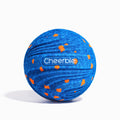
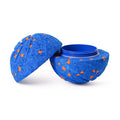
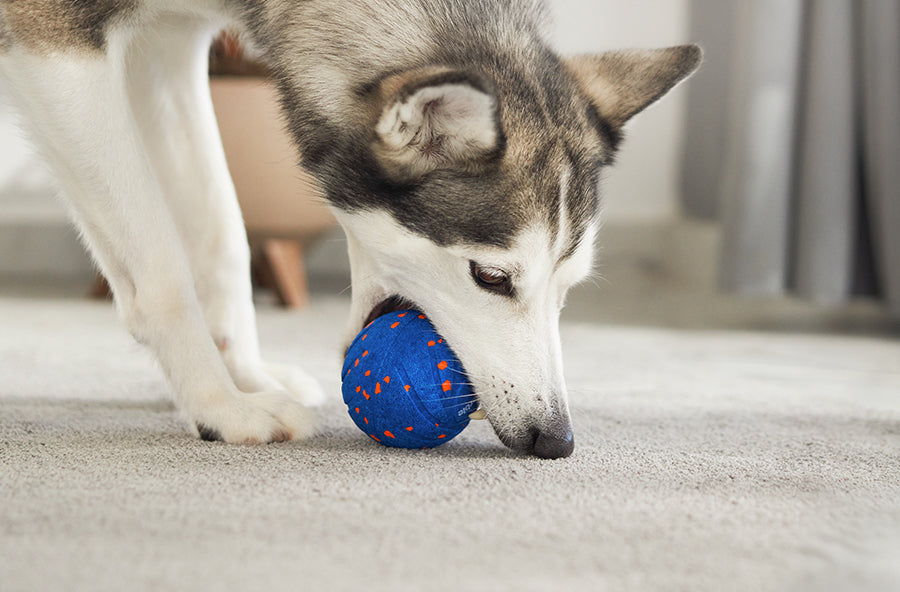
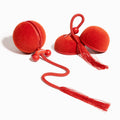
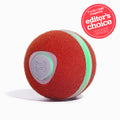
Watching toy access all day isn't realistic for most households, and leaving one high-value toy out for two dogs to negotiate is exactly the setup that leads to guarding in the first place. Giving each dog a distinctly different toy, rather than one toy both dogs want, removes the single shared resource that started the problem. The Wicked Ball Air works well as one half of that setup, since its bounce-and-chase play style gives one dog something to focus on that isn't the same object the other dog already has.
Picking toys that don't overlap in play style matters more than picking two of the same product in different colors. The Wicked Ball Comparison guide covers how Cheerble's different ball styles play differently enough that two dogs in the same house are less likely to both want the exact same one at the exact same time.

For the Dog Who's Already on Edge

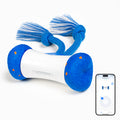
Some dogs run tenser than others in a multi-dog household, and that baseline tension makes any shared resource more likely to turn into a standoff. The Wicked Ball Air Neo runs a heartbeat-like soothing mode built for dogs that lean more anxious, and giving the more reactive dog in the pair a calming option of its own, separate from whatever the other dog is playing with, takes some of that tension out of the room before a toy even enters the picture.
Neither toy replaces training. They're tools for managing the environment while the underlying behavior gets addressed, whether that's on your own or with a trainer's help. A calmer baseline and fewer shared flashpoints won't fix an established guarding habit by themselves, but they make the rest of the work noticeably easier.

The Bottom Line

Resource guarding between dogs is a normal instinct, not a sign that two dogs can't live together. Most mild cases settle down once high-value toys stop sitting out as a single shared prize. Anything that escalates to snapping or biting is worth a trainer's or vet behaviorist's input rather than something to solve through toy choice alone. Managing the environment well now is a lot easier than untangling a habit that's had months to set in.
Related reads:

前後の記事を読む

Are Automatic Cat Toys Safe? Materials and Battery Risks Explained
Senior Cat Hydration: Managing Water Intake with Kidney Disease (CKD)

コメントを書く

全てのコメントは、掲載前にモデレートされます

このサイトはhCaptchaによって保護されており、hCaptchaプライバシーポリシーおよび利用規約が適用されます。