






Cat

Who Ate the Kibble? Solving Cat Obesity in Multi-Cat Households

Who Ate the Kibble? Solving Cat Obesity in Multi-Cat Households

Cat Obesity in Multi-Cat Homes: The Invisible Calories and How to Track Them

For many, a multi-cat family means double the joy. However, managing a household with multiple felines is a complex social ecosystem. Among the various challenges, cat obesity is the most silent yet dangerous.
In a home with multiple cats, weight gain is rarely just about overeating. It is a byproduct of social dynamics, food theft, and a lack of individual visibility. If one cat is getting "fluffy" while the other stays lean, you are likely facing a data gap in your cat feeding routine.

The Fast Eater vs. The Grazer: Why Your Eyes Are Lying to You

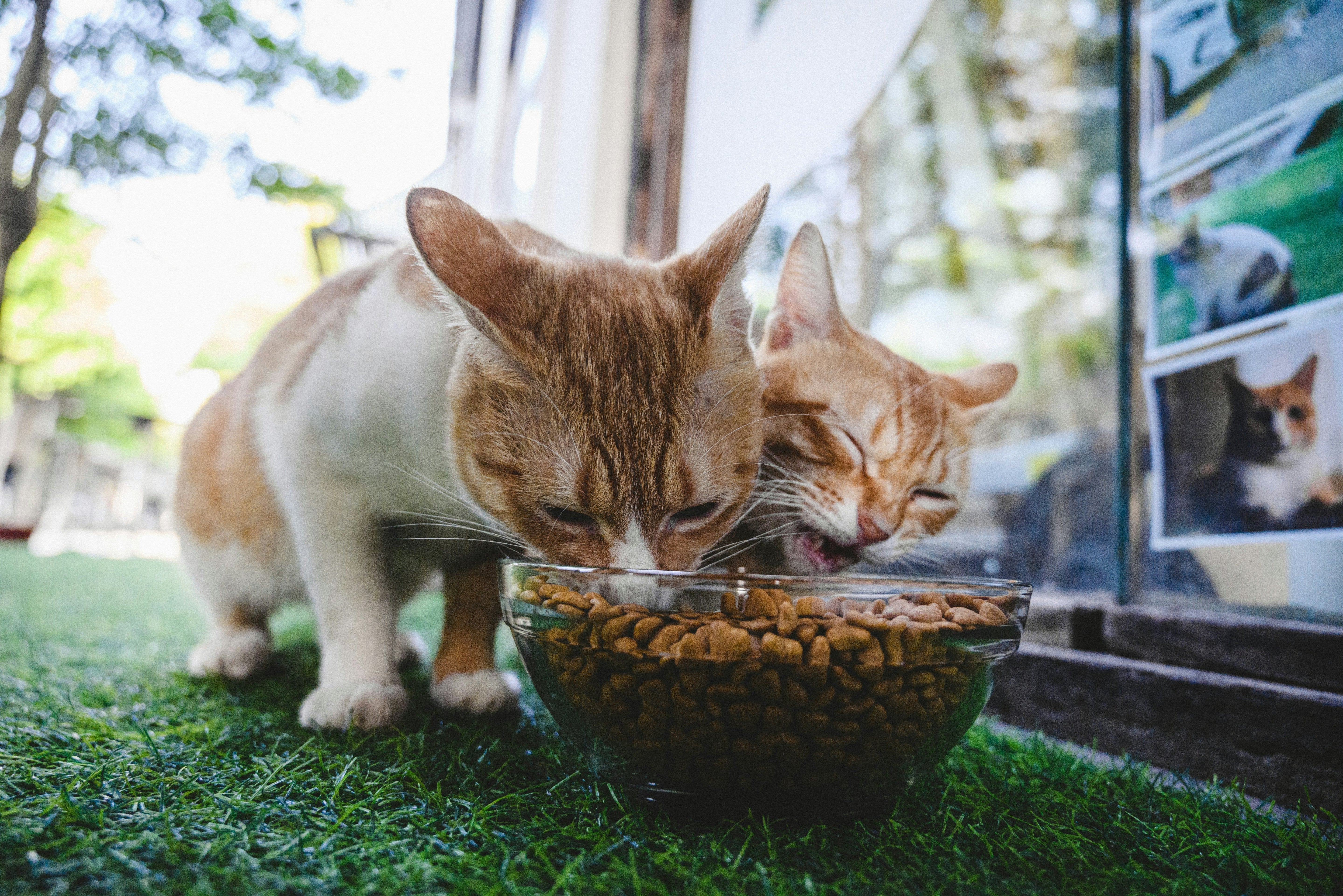
In a single-cat home, an empty bowl is a simple sign that your cat has finished its meal. However, in a multi-cat household, an empty bowl is often a mystery that hides the truth of their daily caloric intake. We tend to trust what we see at a glance, but the shared bowl is frequently where professional cat health monitoring fails most spectacularly. Without individual tracking, you are essentially guessing who consumed the nutrients.

Identifying the "Vacuum" Eater

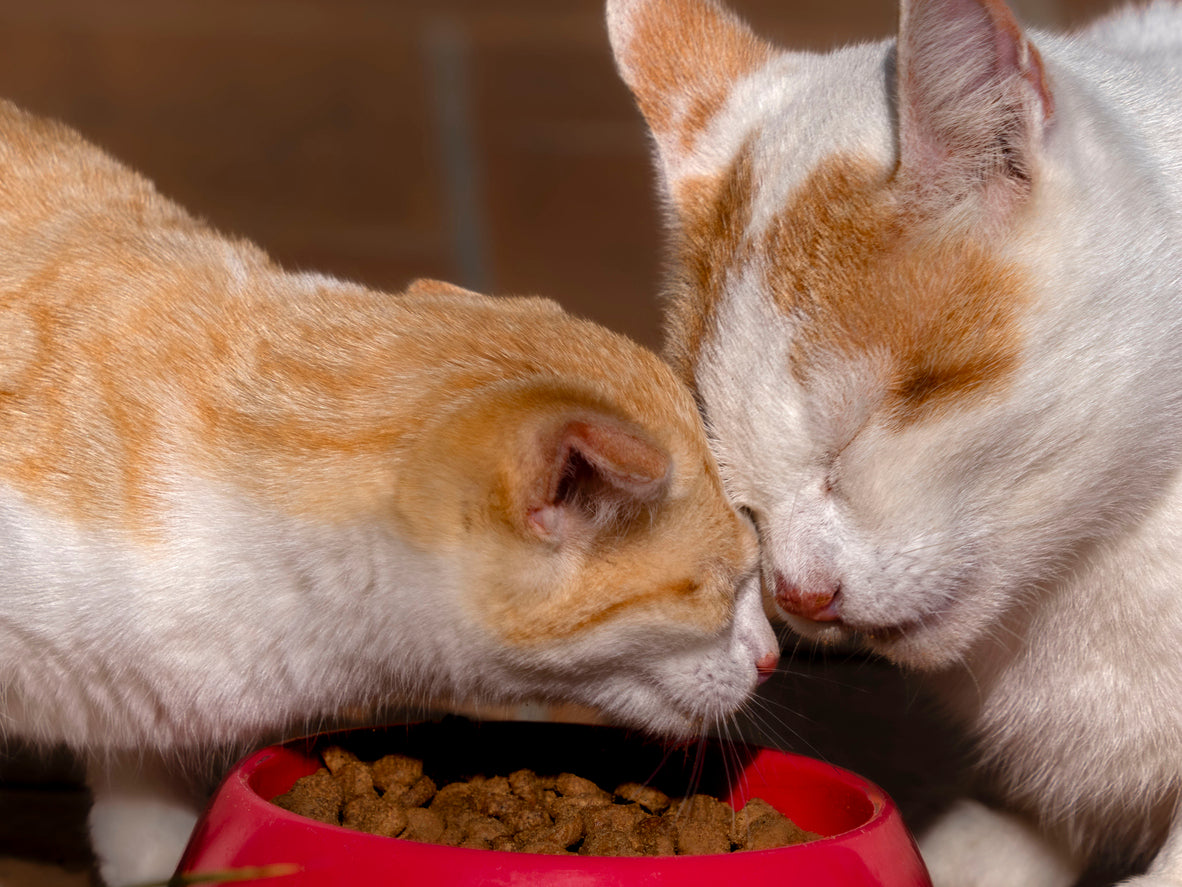
Almost every multi-cat home has a "Vacuum" eater. This is the highly food-motivated cat that treats every meal as their last. They inhale their portion in seconds and immediately look for more. This frantic pace often stems from an evolutionary drive to secure resources before others can intervene.

Understanding the “Grazer”

In contrast, the "Grazer" prefers to snack slowly and methodically throughout the day, following their natural biological urge to eat small amounts frequently. When the fast eater finishes their portion, they quietly move to the Grazer’s leftovers. To you, the bowls look empty.
In reality, one cat is consistently consuming 30% more calories than intended, while the other may be left undernourished.

Why Free Feeding Fails in Multi-Cat Families

Many busy owners choose "free feeding", leaving a large, communal bowl of food out all day for all cats to share. Cat veterinary experts warn that it is a primary driver of feline obesity. Without a structured schedule, it becomes impossible to track individual caloric intake or identify sudden changes in appetite.

The Loss of Satiety Signals

Constant, 24/7 access to food often overrides a cat’s natural biological "full" signal, which evolved for intermittent hunting rather than a continuous buffet. Without a clear start and end to mealtime, many cats lose their innate ability to regulate hunger and metabolic needs.

The Stress of Preventative Eating

In competitive environments, some cats will engage in "preventative eating" even when they aren't truly hungry. They eat because they have learned that if the food is available now, it will likely be stolen by a housemate later. This stress-induced eating makes using specialized diet food almost impossible.

The Psychological Toll: Beyond Physical Weight

Obesity in a multi-cat household is rarely just a physical health issue. It is deeply intertwined with feline psychology and social hierarchy.
The daily stress and tension surrounding the food bowl can significantly impact the emotional harmony of your entire home. Chronic resource competition is a leading cause of behavioral friction between otherwise friendly felines.

The Rise of Silent Guarding

Feeding pressure doesn't always manifest as an overt physical fight, hissing, or swiping at one another. Often, it takes the form of "silent guarding,". A dominant cat might simply sit near the pet supplies or the kitchen entrance, blocking access to the bowl without making a single sound.

Why Sensitive Cats Give Up

A timid or submissive cat may walk away from their food bowl not because they are full, but because they feel socially unsafe or exposed. This persistent tension leads to chronic environmental stress, which can eventually manifest as displaced aggression, hiding behaviors, or even stress-related health issues.

Practical Steps: How to Reclaim Control

How do you stop the food theft and protect your cat’s health? To succeed, you must move away from making assumptions and toward a structured approach based on observation. Transitioning from "passive" to "active" feeding is the only way to ensure every cat gets their fair share.

Decentralize Your Feeding Zones

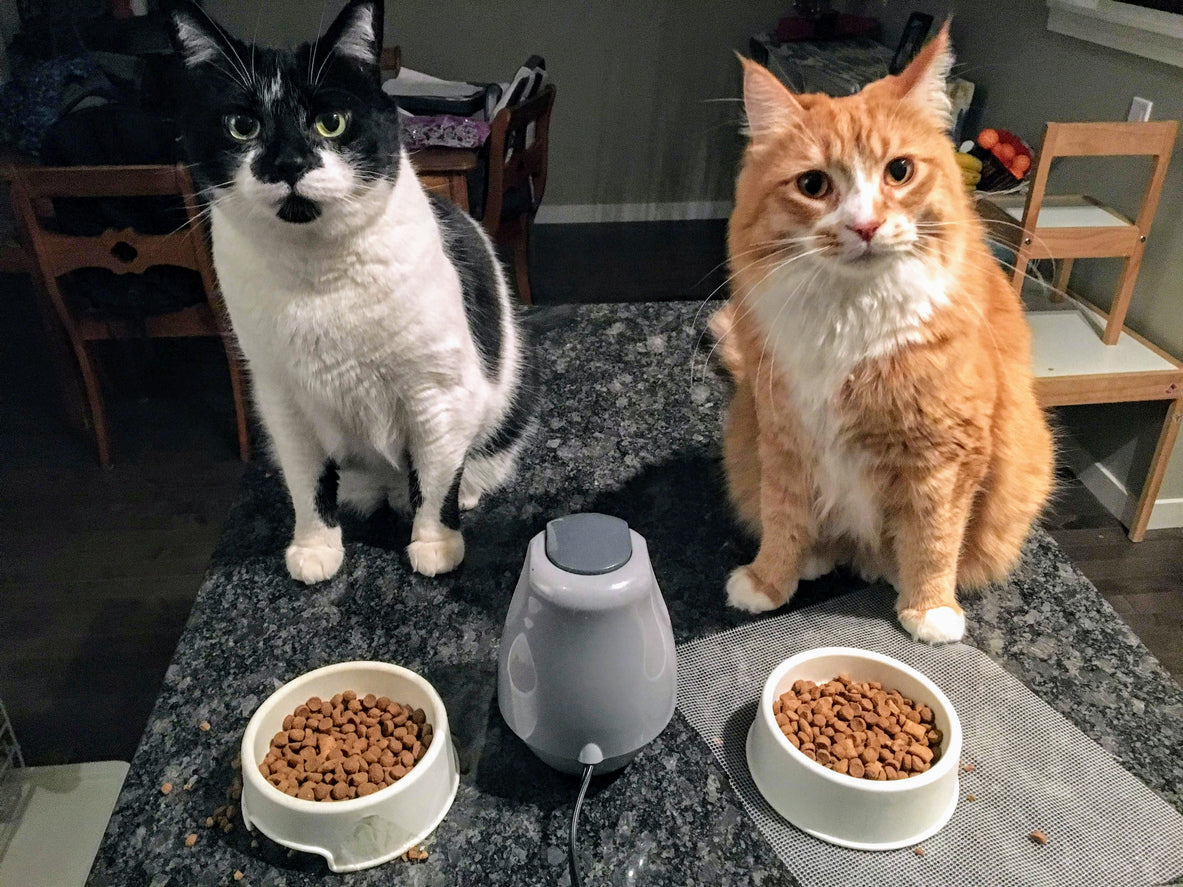
Stop huddling all bowls in one corner of the kitchen. Instead, spread them across different rooms or varying elevations to break the line of sight. This physical distance is a luxury that allows the slower, more timid eater to relax and finish their meal without feeling watched or threatened by housemates.

Transition to Structured Meal Times

Move toward a schedule of several small mini-meals throughout the day. This routine mimics a cat’s natural hunting cycle and provides a dedicated window for you to monitor their behavior. It also makes it much easier to intervene the moment a fast eater starts wandering toward someone else's portion.

Leverage Vertical Space for Portion Control

If you have a nimble younger cat and an overweight senior, utilize high surfaces to your advantage. Feed the active cat on a high counter or shelf that the heavier cat cannot physically reach. This simple use of "cat geography" ensures portion control without the need for locking pets in separate rooms.

Bridging the Visibility Gap

Even with these steps, human monitoring has limits. You can't be a mealtime referee 24/7. This is known as the "Visibility Gap", the primary reason why many well-intentioned weight loss efforts fail in a multi-cat household.

Why Manual Tracking Isn't Enough

You can’t always know what happens the moment you turn your back or head to bed. True cat health management requires knowing exactly who ate what, not just observing an empty bowl. Without individual data, it is impossible to adjust calories with the precision needed for a safe and effective diet.

The Future of Smart Cat Feeding

The next evolution in pet care involves smart cat feeding strategies that provide granular, individual data. When you can track the specific eating habits of each cat through digital tools, obesity becomes a solvable science rather than a frustrating mystery. Individualized visibility allows you to protect the "Grazer" while managing the "Vacuum" eater effectively

Conclusion: A Healthier Future for Every Cat

Managing obesity in a multi-cat family is a marathon that requires understanding individual needs rather than just filling a communal bowl. By introducing structure and visibility, you aren't just helping your cats lose weight—you are fundamentally extending their lives and improving their daily happiness.
Stay tuned to their behavior at the next mealtime. You might be surprised by what you see when you finally have the tools to look closer.

Disclaimer: The information provided in this article is for educational and informational purposes only and is not intended as a substitute for professional veterinary advice, diagnosis, or treatment. Always seek the advice of your veterinarian or other qualified pet health provider with any questions you may have regarding your cat's medical condition or dietary needs. Never disregard professional medical advice or delay in seeking it because of something you have read on this website.


前後の記事を読む

Why Separate Feeding Is Essential for Multi-Pet Families

コメントを書く

全てのコメントは、掲載前にモデレートされます

このサイトはhCaptchaによって保護されており、hCaptchaプライバシーポリシーおよび利用規約が適用されます。