










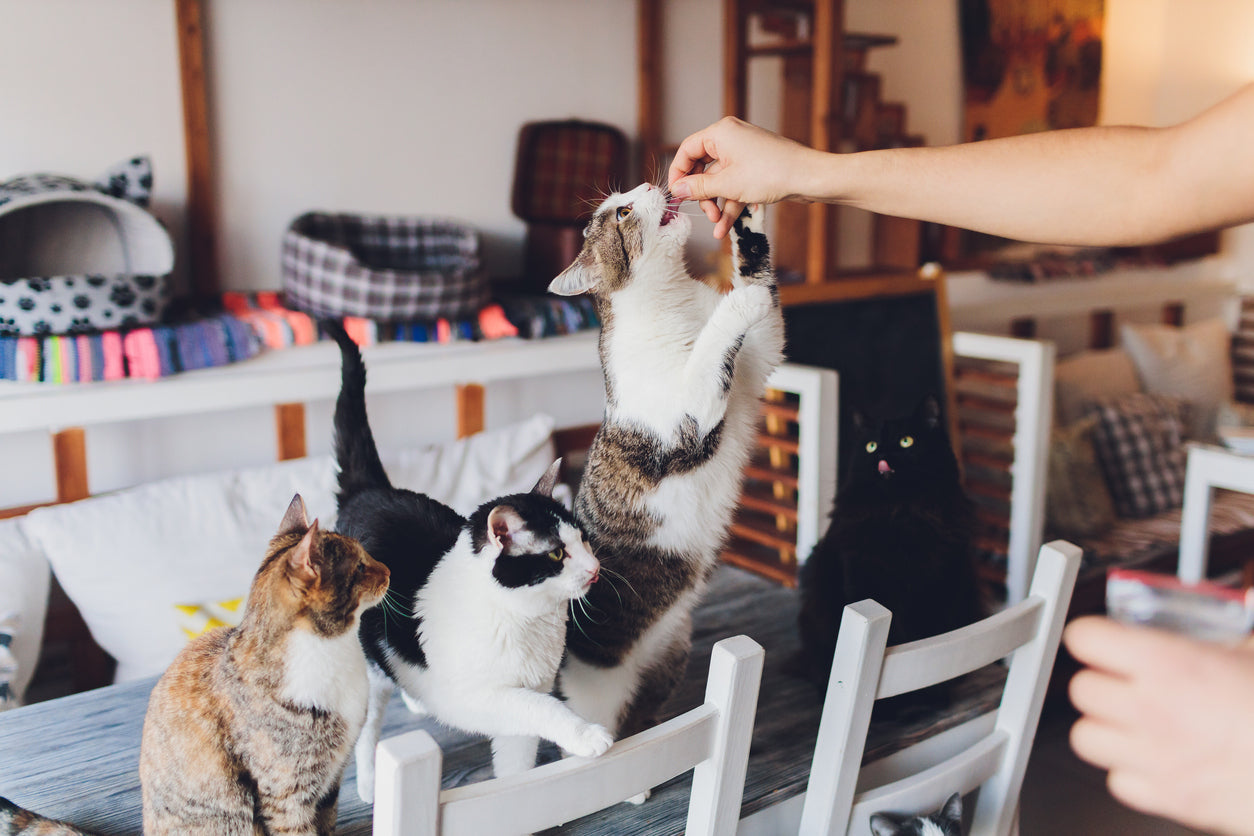
Living with more than one cat often feels like a natural extension of loving pets. Many owners expect feeding to be simple. Fill the bowls, keep a routine, and let each cat eat what they need.
In reality, cat feeding in a multi-cat family rarely works that smoothly. Even when there is enough food and no visible fighting, feeding time can become tense, unpredictable, and quietly stressful.
Many multi-cat families struggle with feeding not because owners are doing something wrong. Cats experience food very differently from humans. Small behaviors, like hovering near another bowl or walking away halfway through a meal, are easy to dismiss.
Over time, these subtle actions add up, affecting daily routines, emotional well-being, and long-term pet health. Feeding challenges in multi-cat households are common yet often misunderstood.
Subtle Signs of Feeding Stress
Cats are sensitive to even minor changes. A timid cat may freeze if a housemate approaches its bowl. Another may rush through a meal or leave food unfinished. Over time, these subtle actions affect daily routines, emotional well-being, and long-term health.
The Most Common Feeding Struggles in Multi-Cat Families
Uneven Food Intake
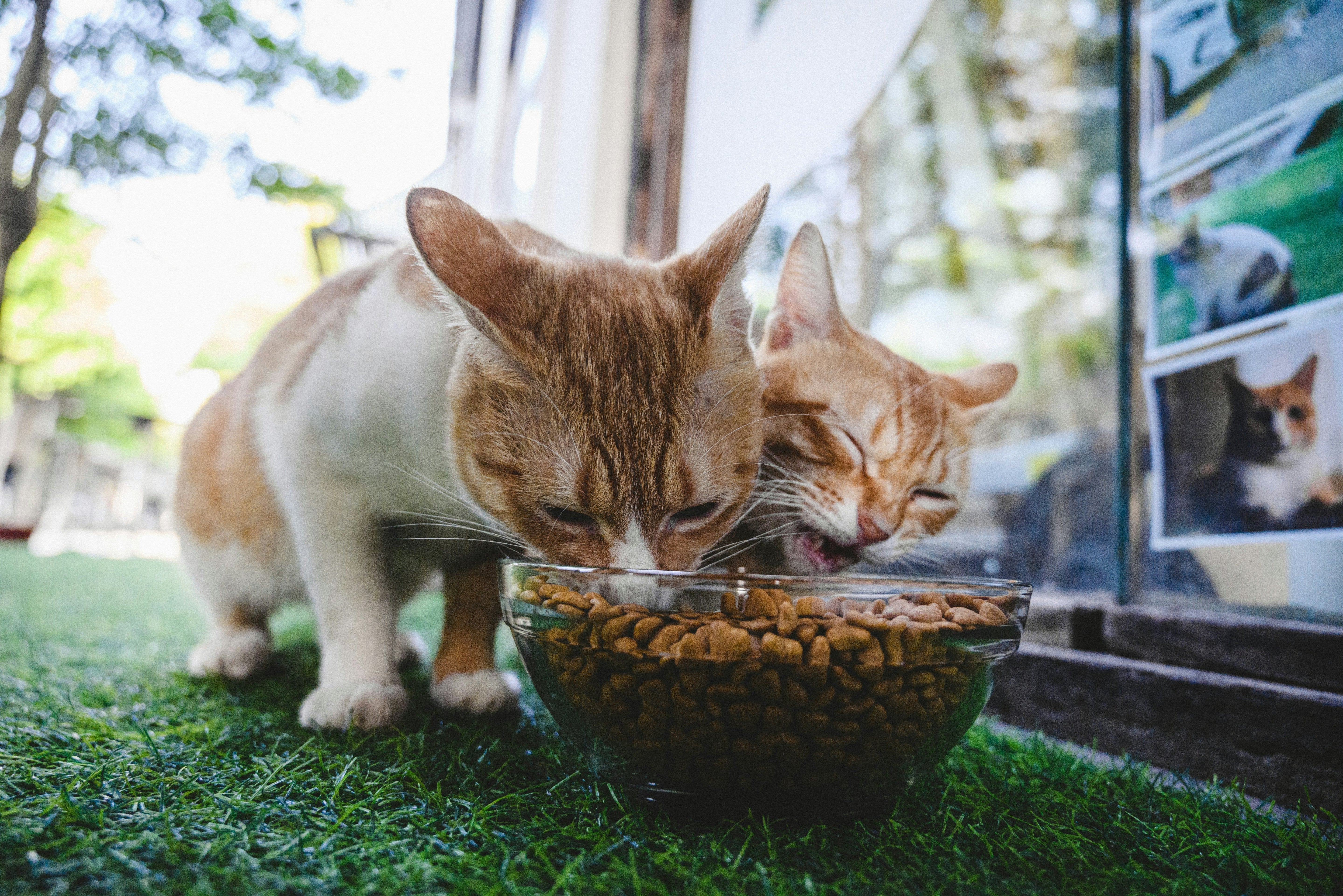
Some cats consistently eat more than their share, while others eat less. This imbalance isn’t necessarily due to aggression—it often comes from confidence, speed, or proximity to the food source. A bold cat may dominate a bowl simply by being nearby, while a shy cat may avoid eating altogether.
Food Stealing
Food stealing is common in multi-cat households. A cat may finish its portion and move to another bowl or wait for a housemate to leave. Over time, this behavior reinforces anxiety and encourages fast eating. In homes with dogs, feeding challenges can become even more complex, as dogs may try to access cat food, causing further stress.
Stress from Feeding Schedules
Feeding all cats at once can intensify competition. Less confident cats may eat defensively or skip meals. Even if meals seem calm, the underlying stress can affect digestion, appetite, and overall well-being. The timing and location of feeding are just as important as the food itself.
Feeding Challenges Are Rooted in Feline Behavior
Cats are solitary eaters by nature. In the wild, they hunt alone and consume meals without nearby competitors. This instinct remains strong even in domestic cats.
Subtle Feeding Pressure
When multiple cats share the same space, subtle feeding pressure forms. Cats constantly observe who reaches the bowl first, who eats fastest, and who lingers nearby. Even without visible aggression, these small tensions can influence eating behavior.
Effects on Eating Behavior
Some cats eat quickly, while others hesitate or avoid meals. Differences in metabolism, appetite, and nutritional needs make shared feeding risky. Over time, these tensions can create chronic stress, affecting both physical health and emotional well-being.
Why Multi-Cat Feeding Problems Are Often Overlooked
Feeding stress is often quiet. A cat may eat too fast or too little without obvious signs. Food stealing may go unnoticed. Many owners assume that full bowls mean everything is under control.
Gradual changes in eating patterns often only become apparent once health issues appear. Weight fluctuations, digestive concerns, and subtle behavioral changes are often the first warning signs. By then, feeding stress has usually been present for months.\
How Feeding Stress Affects Pet Health
Risks of Overeating
Cats that consistently overeat face obesity, joint strain, and metabolic disorders, including diabetes. Excess weight also puts stress on internal organs like the liver, heart, and kidneys.
Risks of Under-Eating
Cats that eat less due to pressure may experience nutrient deficiencies, weight loss, or digestive problems. Feeding stress can also interfere with prescription or medical diets, affecting recovery and long-term health.
Chronic Stress Impacts
Even without intake imbalances, chronic stress affects digestion, immune function, and overall well-being. In multi-cat families, feeding stress is often part of a larger pattern of environmental pressure, influencing both physical and emotional health.
How to Improve Feeding in Multi-Cat Homes
Owners often assume cats can self-regulate when food is available. In single-cat households, this may work occasionally. But in multi-cat homes, differences in personality, confidence, and dietary needs make shared feeding risky.
Even careful owners can struggle to know who is eating what. Over time, shared bowls and unsupervised meals can quietly lead to stress, imbalance, and preventable health issues.
Creating a Calm Mealtime Environment
Feeding problems usually come from natural instincts clashing with shared spaces, not from poor care. Simple changes can make a big difference:
- Separate feeding areas: Give each cat its own spot to eat safely and without interruptions.
- Staggered mealtimes: Feed cats at different times if needed to reduce competition.
- Monitor portions: Ensure each cat gets the right amount to maintain health.
Supporting calm, predictable meals doesn’t require constant supervision or strict rules. It’s about small, thoughtful adjustments that match each cat’s personality and needs.
Practical Strategies for Stress-Free Feeding
- Elevated or enclosed spaces: Shelves, cat trees, or gated areas let shy cats eat confidently.
- Track individual intake: Watch what each cat eats to avoid overeating or nutrient gaps.
- Structured feeding schedules: Timers or smart feeders keep meals consistent and reduce stress.
- Personalized approach: Some cats prefer quiet corners, some like to be watched. Feed each cat in the way that makes it most comfortable.
Using Technology to Make Feeding Easier
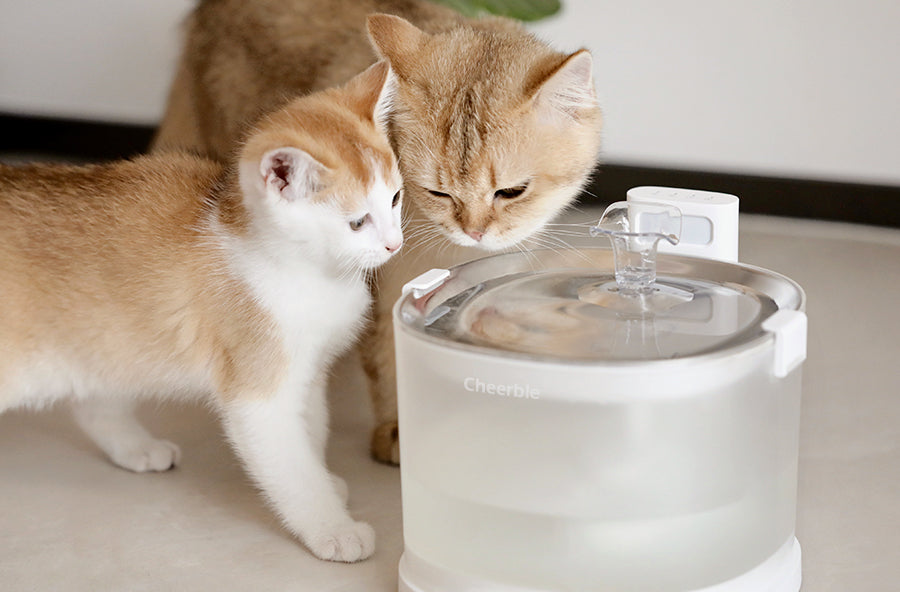
Smart feeders, microchip-access devices, and portion-controlled bowls help manage individual diets without constant presence. These tools reduce stress, prevent food stealing, and allow owners to monitor each cat’s habits easily.
From Awareness to Action
Understanding feline behavior and individual needs is the first step. Setting up separate feeding areas and structured mealtimes prevents stress and health issues.
Over time, cats adapt to calm, predictable routines. They eat the right portions, feel secure, and interact better with housemates. Thoughtful feeding practices support both physical health and emotional well-being, creating a harmonious multi-cat home.


コメントを書く
全てのコメントは、掲載前にモデレートされます
このサイトはhCaptchaによって保護されており、hCaptchaプライバシーポリシーおよび利用規約が適用されます。