








Quick Answer: Genuine separation anxiety causes distress within minutes of you leaving, with damage clustered near doors and windows and little interest in food. Boredom looks different: a dog settles within 10 to 15 minutes, then chews or plays on its own. The distinction changes which fix, toy or training, actually works.
You come home to a chewed door frame and a dog who looks almost relieved to see you. Your first thought is that the dog is badly behaved. Video from the hallway camera says otherwise.
Most owners lump every leaving-related mess into the same category: separation anxiety. Vets and trainers draw a sharper line. One dog is bored and improvising. The other is in genuine distress the moment the door clicks shut, and the two look nothing alike once you know what to check.
Getting that distinction right decides whether a new toy actually helps or just gives a bored dog something else to ignore. It also saves you from spending weeks correcting the wrong problem.
Why Some Dogs Fall Apart the Moment You Leave
What Separation Anxiety Actually Looks Like
ASPCA lists pacing, panting, salivating, trembling, and hiding before you even leave as some of the clearest early signs, with destructiveness or house soiling following soon after you're gone. Refusing to eat while you're away rounds out the pattern, and it's one of the easier signs to check for without any special equipment.
The most important detail in that description is timing. These behaviors show up only when you're absent, not scattered randomly through the day. ASPCA also notes dilated pupils, excessive drooling, and exuberant greeting behavior as part of the same pattern, which is why a dog that seems fine most of the day but falls apart specifically at the door is the clearest case.
How It's Different From Plain Boredom
AKC draws the line clearly. A dog with separation anxiety is in distress within minutes of you leaving, and the damage clusters around doors and window frames, the exit points a dog last saw you walk through. A bored dog typically settles within 10 to 15 minutes, then finds something to chew or play with anywhere in the house, not just near the exit.
Food is the simplest tell. A bored dog eats the treats you left behind. A dog in genuine distress usually won't touch them until you're back.
Picture two households. In one, the dog gets bored around lunchtime and finally chews through a sock left on the floor. In the other, the dog is already scratching at the door frame before the car has left the driveway. Both look like "destructive behavior" on a doorbell camera. Only one of them is anxiety.

What's Actually Happening During Those First Few Minutes
Why the Departure Itself Is the Trigger
VCA Animal Hospitals describes affected dogs as overly attached to specific family members, growing distressed once separated from them rather than simply disliking an empty house. That's why the behaviors start at the moment of departure instead of building up gradually over hours, and it's also why simply adding more toys rarely fixes a true case on its own. The trigger is the goodbye, not the boredom that follows it.
That distinction explains a pattern a lot of owners find confusing: a dog that's perfectly relaxed home alone for hours on a weekend, but falls apart the second you grab your keys on a workday. Nothing about the empty house changed. What changed is the signal that you're about to leave.
Why the Damage Shows Up at the Exit
Chewed door frames and scratched window sills aren't random destruction. They're usually concentrated exactly where a dog last saw you disappear, which fits with a dog trying to reach you or escape to find you rather than simply entertaining itself. Boredom-driven chewing tends to spread across the house instead, hitting whatever object happens to be interesting that day.
Broken nails and bleeding paw pads near the front door are a version of the same clue, just more severe. That level of self-injury almost never shows up from ordinary boredom. It shows up when a dog is trying hard enough to get out that pain doesn't register until later.
How to Tell Which One You're Dealing With
Set Up a Camera Before You Guess
Record the first 20 to 30 minutes after you leave. A phone propped against a water bottle works fine. Note how quickly any distress starts, where damage happens if it happens at all, and whether your dog eats anything left behind. A slow build toward mischief points to boredom. Immediate pacing, barking, or clawing at the door points the other way.
Most owners only need to watch the first ten minutes to get an answer. If nothing has happened by then, you're very likely looking at boredom rather than anxiety.
When a Toy Isn't Enough
If the footage shows distress within minutes, damage concentrated at exits, or self-injury like bleeding nails or a chipped tooth from scratching at doors, that's beyond what any toy can fix on its own. ASPCA publishes separate guides for training dogs through mild, moderate, and severe cases, which is a reasonable sign that severe cases need a structured plan rather than a single fix. Interactive toys help most with mild to moderate cases, and they work best alongside training rather than instead of it.
Both isn't overkill for a bad case. A trainer addresses why the panic happens in the first place. A toy just makes the first few minutes of any given day easier to get through while that longer process plays out, and most owners see faster progress running both at once instead of waiting on one before trying the other.
What Helps in the Mild-to-Moderate Cases
Give a Calming Presence, Not Just a Distraction
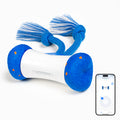
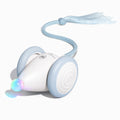
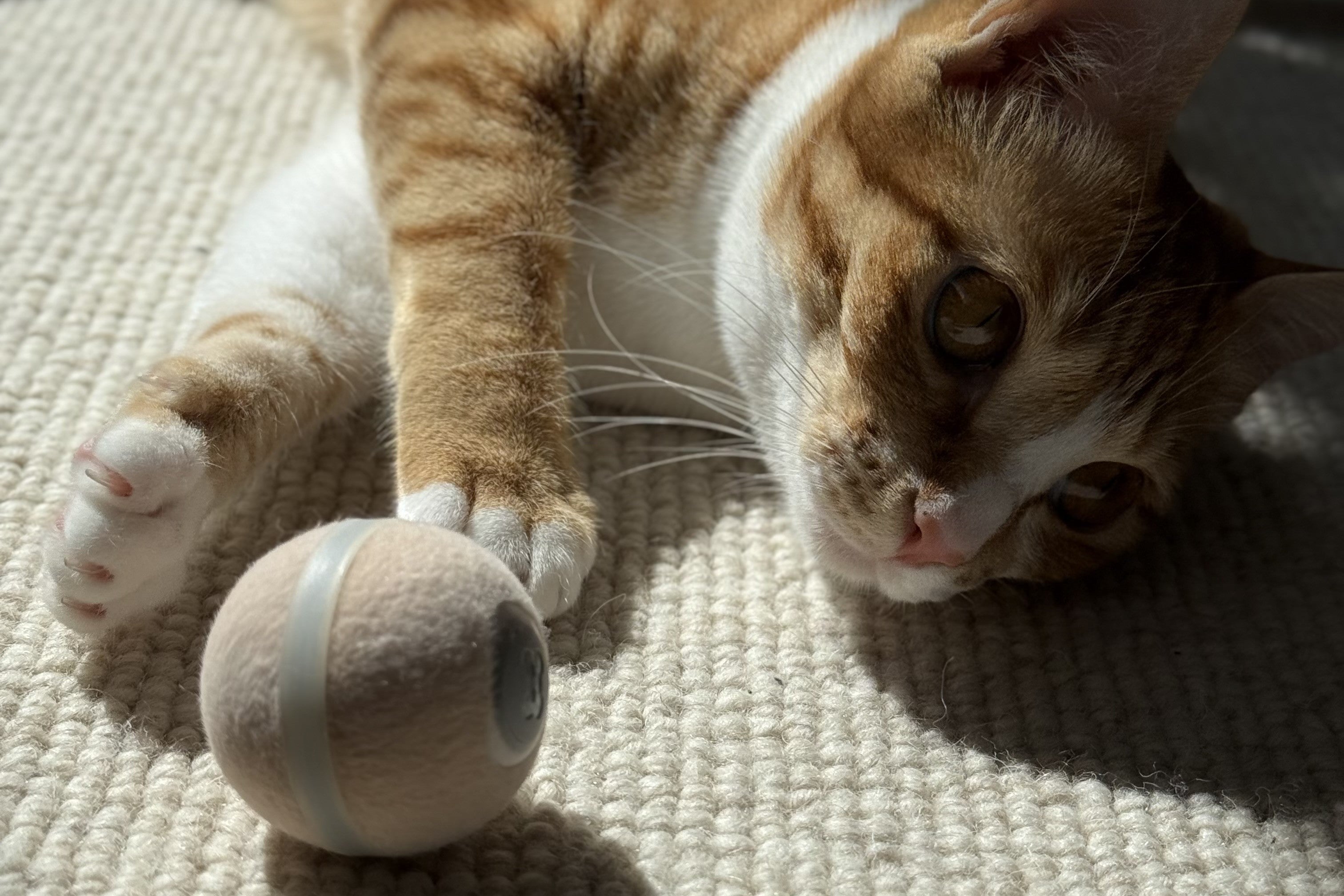
Timing a distraction manually is impossible if you're the one who has to leave, and motion-activated toys work well for dogs whose main issue is pent-up energy rather than genuine panic. A dog with real separation anxiety often needs something calmer than a bouncing ball. The Wicked Ball Air Neo tucks under a blanket or pillow and runs a heartbeat-like soothing mode for up to eight hours, built specifically for dogs the brand describes as prone to separation anxiety or still settling into a new home.

The Bottom Line
Not every chewed shoe means separation anxiety, and not every case of separation anxiety gets solved by a new toy. The fastest way to know which one you're facing is watching what happens in those first few minutes, not guessing from the mess you find hours later. Mild cases often improve with the right kind of distraction. Severe ones need more than a toy, and pretending otherwise just delays the actual fix. A ten-minute video clip will tell you more about your dog than any list of symptoms, including this one.

Leave a comment
All comments are moderated before being published.
This site is protected by hCaptcha and the hCaptcha Privacy Policy and Terms of Service apply.