





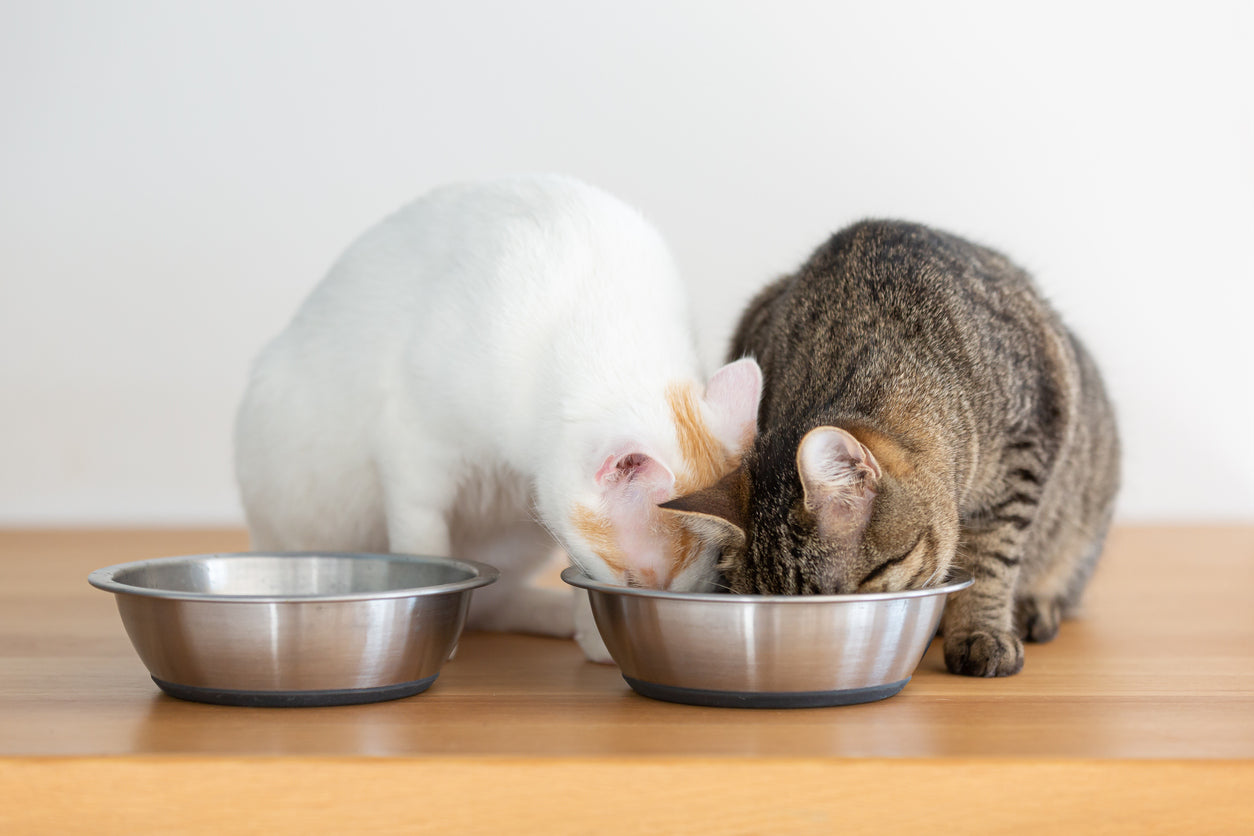
Living with multiple cats brings immense joy. However, it often turns your kitchen into a complex social arena. If you have ever seen a hiss at the food bowl, you have seen the feline hierarchy in action. You might see a shy cat retreat while a bolder one takes over.
Mealtime drama is the top complaint for multi-cat owners. It is more than just a minor annoyance. It is a behavioral red flag. If left unchecked, this stress impacts your cats' long-term physical and mental health. To stop food stealing, we must first dive deep into the psychology of the domestic jungle.
The Evolutionary Roots of Feline Social Structures
To understand why your cat steals food, we must look back at their ancestors. Unlike lions, the ancestors of the domestic cat were solitary hunters. This history creates a unique tension in our modern homes.
The Myth of the Solitary Cat
Cats are not entirely anti-social. In the wild, when food is abundant, they often form colonies. However, these colonies rely on a fragile system of personal space.
In a domestic setting, we take these solitary-leaning animals and place them in a confined space. This forces them to share limited resources. This environment triggers a dormant survival instinct. It is the biological need to establish a hierarchy to ensure survival.
Resource Competition in a Confined Space
In the wild, a threatened cat can simply move 50 yards away to find another food source. In a modern apartment, that is impossible. The food bowl becomes a focal point of tension. Because resources are trapped in one area, cats feel a biological pressure to compete. Even if you provide extra food, the instinct to control the source remains.
This is why a cat with a full stomach will still push a housemate away. It is about territorial power, not calories.

Deciphering the Food Bully More Than Just Aggression
Dominance at the meal station is often much quieter than people expect. While the occasional swat or hiss happens, the most effective bullies use psychological warfare.
Passive Aggression The Silent Stare Down
Have you noticed one cat sitting perfectly still near the bowl? They might be three feet away, staring intensely at the cat who is eating. This is called environmental blocking. The bully is not physically attacking. Instead, they are using their presence to create a pressure zone.
For a submissive cat, this stare is as intimidating as a growl. They will often walk away before they are finished simply to escape the social pressure.
The Displacement Maneuver
This is a classic dominance move. The bully cat walks up and simply nudges the other cat with their shoulder. There is no fight, but the eating cat immediately yields the spot. This is not because the bully is hungrier. It is a repeated reinforcement of the social order.
If this happens every day, the submissive cat learns that their access to food is conditional. This leads to chronic anxiety and deep food insecurity.
The Psychology of the Food Thief Why They Steal
When one cat leaves their full bowl to eat from another's, it is rarely about the taste. The motivation is usually deeper and linked to their personality type.
The Insecure Overeater
Many thieves act out of fear rather than confidence. Cats that have experienced homelessness often develop a scarcity mindset. They feel a biological urge to eat whenever food is present. They do not trust that the next meal will arrive. They steal from others as a desperate attempt to stockpile energy.
Dominance as a Ritual Display
For a truly dominant cat, stealing is a way to maintain status. By taking food from a housemate, they confirm their Alpha position. You often see this in cats that also guard the best sleeping spots or favorite toys. For them, the act of stealing is a ritual that keeps the colony hierarchy clear.

The Hidden Health Risks of Mealtime Conflict
The drama at the bowl is not just a social issue. It creates a ripple effect of health problems. These can lead to expensive vet bills and shortened lifespans.
The Scarf and Barf Syndrome
When a submissive cat feels they only have a few seconds to eat, they eat at a dangerous speed. They swallow large amounts of unchewed kibble and excess air. Minutes later, the stomach revolts. This is a speed problem caused by social stress. Chronic vomiting can lead to esophageal irritation and poor nutrient absorption.
Stress Induced Physical Illness
Cats are sensitive to micro-stresses. Living with a food bully puts a cat's body in a constant state of fight or flight. This elevated cortisol level suppresses the immune system. One common result is Feline Idiopathic Cystitis (FIC). This painful bladder inflammation is often purely psychological. If your cat is urinating outside the box, the root cause might be the tension in the kitchen.
The Obesity Malnutrition Paradox
In these households, you often see a dangerous physical divide. The thief becomes morbidly obese. This leads to joint pain, heart disease, and diabetes. Meanwhile, the submissive cat may become underweight. Managing these two opposite health problems in the same room is a nightmare for pet parents.
Professional Strategies for Restoring Peace
To fix a broken dynamic, we must change the environment. We should suit the cat's natural instincts rather than trying to train the dominance out of them.
Strategy 1 Breaking the Line of Sight
The best way to lower tension is to ensure cats cannot see each other while eating. If a submissive cat cannot see the bully, their threat detection system shuts off.
- Vertical Feeding: Feed the dominant cat on a high counter and the submissive cat on the floor.
- Visual Barriers: Use a kitchen island or a cardboard box to create a privacy booth.
- Distance: Move bowls to opposite sides of the room. Communal dining is highly stressful for most cats.
Strategy 2 Scheduled Feeding vs Free Feeding
Leaving a bowl of food out all day is a recipe for dominance issues. It gives the bully 24 hours a day to guard the resource. By switching to scheduled meals, you regain control. You become the resource manager. This de-escalates the cats' need to manage the resource themselves.

Solving Multi Cat Conflict with Smart Technology
Manual management is exhausting if you work long hours. You cannot always be there to play referee. This is why selective access technology is becoming the gold standard. It replaces human supervision with reliable, automated boundaries.
The Power of Face ID Recognition
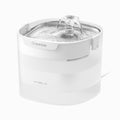
The Cheerble Match G1 uses advanced Face ID technology to solve the hierarchy problem. Unlike open bowls, the G1 only opens for the specific cat it recognizes. This ensures that a food thief is physically blocked from stealing. It allows you to serve different diets with total confidence. You know the right food stays in the right bowl.
Creating a Safety Zone for Submissive Cats
The most important benefit is the psychological shift. When a submissive cat realizes a physical lid protects their meal, their behavior changes. They stop scarfing food in a panic. Their heart rate stays lower. They begin to associate the kitchen with safety rather than competition. The Match G1 provides a stress-free environment where every cat eats at their own pace.

Building a Harmonious Future
A peaceful home is one where every cat feels their basic needs are guaranteed. When we address the root of food dominance, we cure the anxiety of the entire household.
By separating their dining areas and using technology to enforce boundaries, you allow your cats to coexist as friends. When the pressure of resource competition is removed, cats often become more affectionate. They stop viewing each other as rivals. Peace in the kitchen eventually leads to peace on the sofa.


Leave a comment
All comments are moderated before being published.
This site is protected by hCaptcha and the hCaptcha Privacy Policy and Terms of Service apply.