






Choosing between wet and dry food is one of the most debated topics among cat parents. Both options have vocal supporters, and both are often presented as the “best” choice. In reality, the decision is more nuanced. It depends on your cat’s biology, health status, and how feeding is managed day to day.
This question becomes even more complex in multi-cat households. Different cats may have different needs, preferences, or medical requirements. Choosing the wrong feeding strategy can quietly lead to dehydration, weight gain, or chronic stress around mealtimes.
Quick Answer:For most cats, especially in multi-cat homes, a mixed feeding strategy that combines wet and dry food offers the best balance. Wet food supports hydration and urinary health. Dry food provides convenience and precise calorie control. The key is not the food type alone, but how accurately portions are managed and how well diets are separated between cats.
The Case for Dry Food
Why Dry Food Is So Widely Used
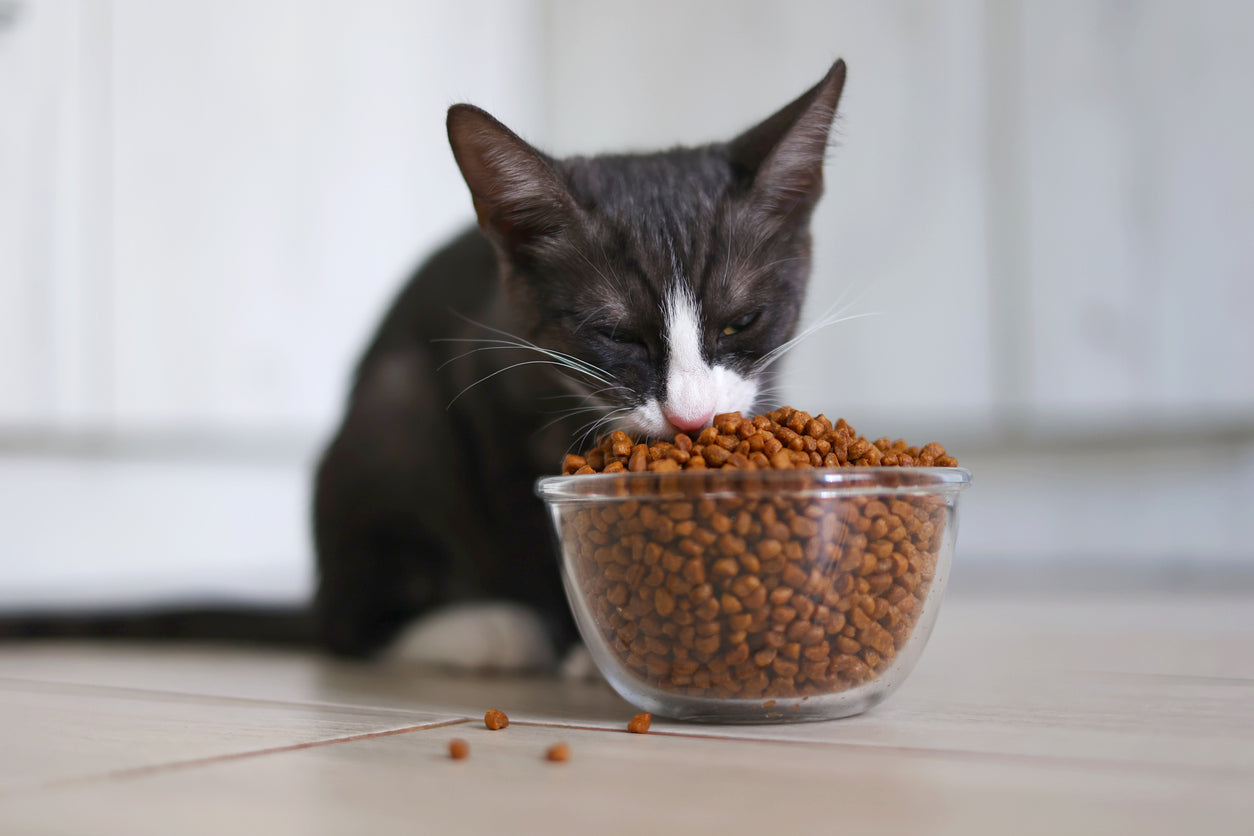
Dry food remains the most common choice worldwide. Its popularity is not accidental. Kibble is easy to store, easy to portion, and fits into a wide range of daily routines. For many owners, especially those who work long hours, dry food makes consistent feeding possible without constant supervision.
Energy Density and Budget Efficiency
Because dry food contains very little moisture, it is calorie-dense. A relatively small portion delivers a significant amount of energy. This makes it cost-effective, particularly in households with multiple cats. High-quality dry food can meet nutritional requirements at a lower cost per calorie than wet food.
Shelf Life and Feeding Flexibility
Another advantage of dry food is stability. It can sit in a bowl for hours without spoiling. This allows for flexible feeding schedules and makes automatic feeding more practical. For cats that prefer grazing throughout the day, dry food supports this behavior better than wet food.
Dental Myths and Realistic Benefits
Dry food is often associated with dental health. While kibble does not replace brushing or professional cleanings, its texture can help reduce some surface plaque through mechanical abrasion. The benefit is modest, but it can contribute to oral health when combined with proper dental care.

The Case for Wet Food
Hydration Is Not Optional for Cats
Cats evolved as desert animals and rely heavily on moisture from their prey. As a result, they have a naturally low thirst drive. Many cats do not drink enough water from a bowl or fountain to compensate for a dry-only diet.
Wet food typically contains 75 to 80 percent water. This built-in hydration plays a critical role in maintaining kidney function and urinary tract health. Adequate moisture intake helps dilute urine and lowers the risk of crystal formation and blockages.
Wet Food and Disease Prevention
For cats prone to urinary tract disease, kidney disease, or diabetes, wet food is often medically recommended. The higher moisture content reduces strain on the kidneys and helps regulate blood glucose levels. In these cases, wet food is not a preference but a preventative measure.
Protein Quality and Palatability
Wet food is generally higher in animal-based protein and lower in carbohydrates. This aligns more closely with a cat’s metabolism as an obligate carnivore. Its aroma and texture also make it more appealing, particularly for picky eaters, senior cats, or cats recovering from illness or dental pain.
Wet vs Dry Food: Matching Food Type to Your Cat
When Dry Food Is a Reasonable Choice
Dry food can work well for healthy adult cats that maintain a normal weight and drink adequate water. It is also suitable for owners who rely on automatic feeders or need a low-maintenance feeding setup.
When Wet Food Becomes Essential
Wet food is strongly recommended for cats with kidney disease, urinary issues, diabetes, or obesity. Because wet food is lower in calories per gram, it allows cats to feel full while consuming fewer calories, which supports weight management.

Mixed Feeding: A Practical Middle Ground
Why Many Vets Recommend Mixing
A mixed feeding approach combines the strengths of both food types. It provides hydration and biological benefits from wet food while maintaining the convenience and structure of dry food.
Designing a Balanced Daily Routine
A common routine is dry food in the morning and wet food in the evening. This pattern supports hydration later in the day while keeping mornings simple. Alternating textures can also reduce food fixation and keep cats engaged at mealtime.
Portion Control Matters More Than Food Type
Mixed feeding requires careful calorie calculation. Without clear portion limits, combining wet and dry food can easily lead to overfeeding. Total daily caloric intake should always be calculated across all meals, regardless of food format.
Feeding Challenges in Multi-Cat Homes
Food Theft Undermines Nutrition Plans
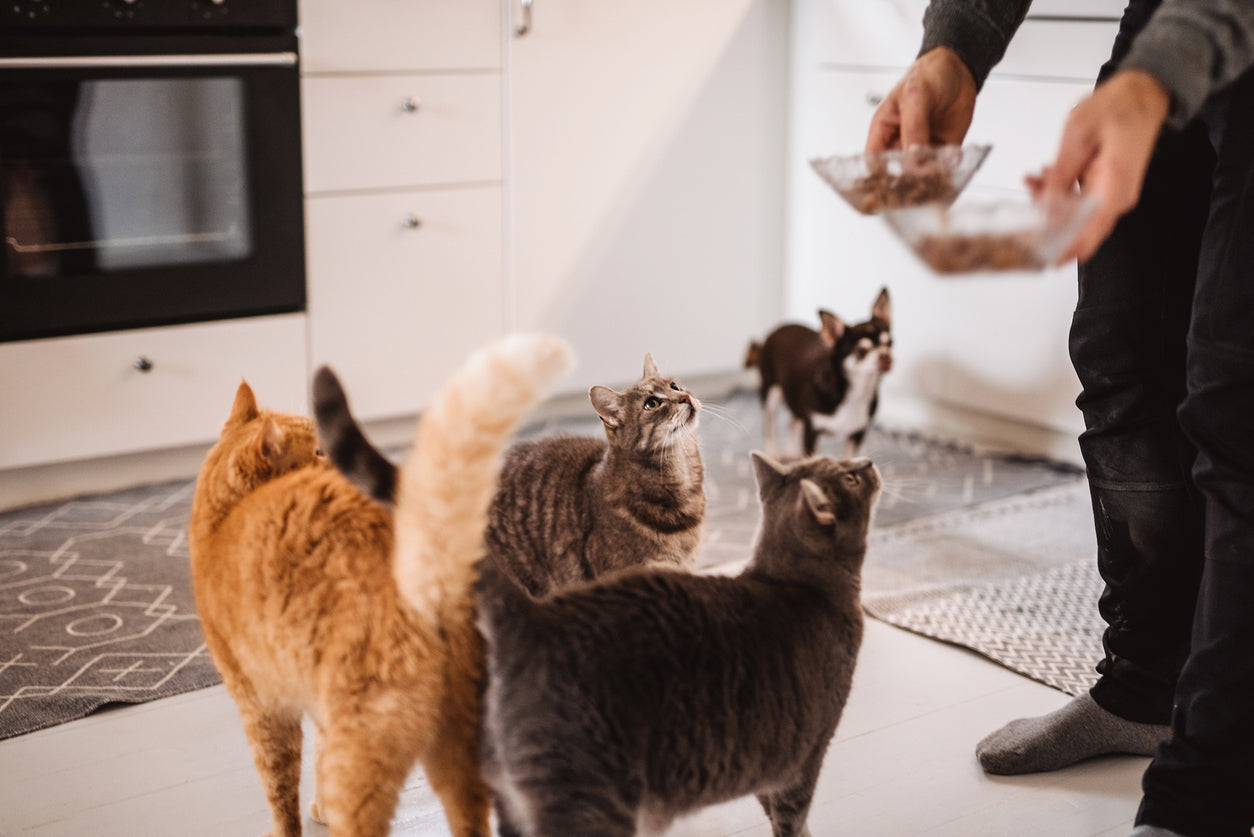
In multi-cat households, even the best feeding strategy can fail due to competition. Dominant cats may steal wet food or prescription diets intended for others. This not only disrupts nutrition but also creates stress and tension around meals.
Different Cats, Different Needs
Kittens, adult cats, and seniors often require different diets. Medical conditions may further complicate feeding. Open bowls make it nearly impossible to ensure that each cat eats the right food in the right amount.

Precision Feeding with Cheerble Match G1
Individual Recognition Enables Accuracy
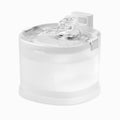
Cheerble Match G1 uses visual recognition technology to identify each cat before opening the bowl. This ensures that food is served only to the intended pet, preventing food theft and accidental diet mixing.
Supporting Wet, Dry, and Mixed Diets
The feeder is designed to handle both wet and dry food. Its stainless steel bowl supports hygiene and easy cleaning, reducing the risk of bacterial buildup and feline acne. This flexibility allows owners to implement mixed feeding strategies with confidence.
Making Expert Advice Livable
Nutrition advice often assumes perfect supervision, which is unrealistic in busy households. By automating diet separation and portion control, Match G1 helps translate veterinary guidance into daily practice without constant monitoring.
Get started with Cheerble Pet Feeder Match G1.
Final Thoughts: It Is About Control, Not Debate
The question is not whether wet food or dry food is universally better. The real issue is whether your feeding system gives you control over hydration, calories, and access.
In single-cat homes, this control can often be managed manually. In multi-cat homes, technology increasingly plays a key role. When each cat reliably receives the right food, in the right amount, at the right time, both wet and dry food can work together to support long-term health.

Leave a comment
All comments are moderated before being published.
This site is protected by hCaptcha and the hCaptcha Privacy Policy and Terms of Service apply.