






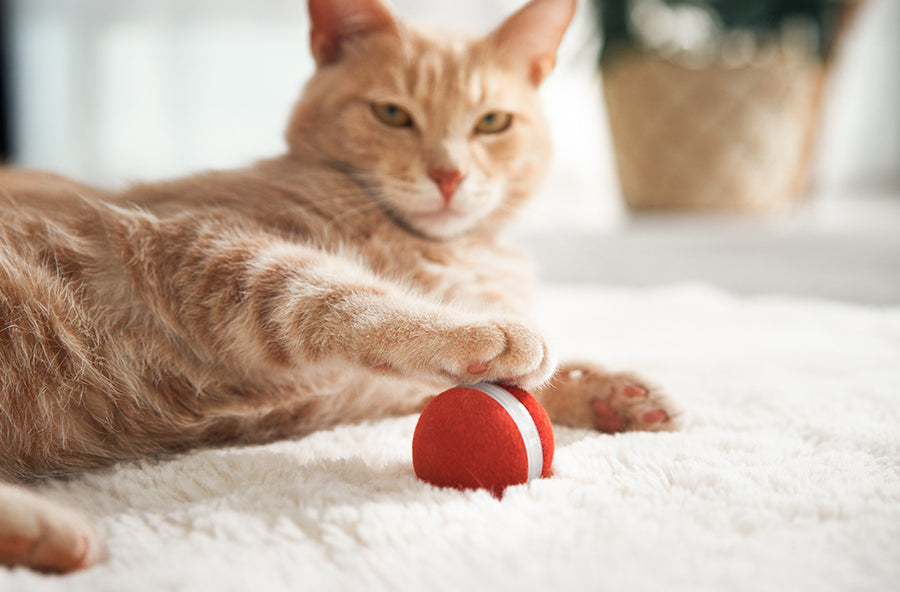


Quick Answer: The "fat orange cat" stereotype has a scientific explanation: about 80% are male, and male cats are naturally larger. Combined with neutering's metabolic slowdown and an indoor lifestyle low on stimulation, orange cats gain weight fast. Smart play and portion control are the fix.
Every cat owner has heard the joke: "Ten orange cats, nine are fat, and the tenth crushed the couch." Walk into any shelter, scroll any cat video feed, and the roundest cat in the frame is almost always orange. But is there actually something in that ginger coat that makes a cat pack on the pounds?
The short answer is no. Orange fur does not come with a fat gene. But the stereotype is not random. It sits on a real biological pattern, one that has more to do with chromosomes, hormones, and the way we feed indoor cats than with the color of their hair.
1. Why do orange cats seem fatter than every other cat?
The gender math: why 80% of orange cats are male
It starts with a lopsided gender ratio. The gene that controls orange coat color, Arhgap36, lives on the X chromosome. A male cat has only one X. If that X carries the orange variant, the cat is orange. A female cat needs both X chromosomes to carry it. The math is unforgiving: roughly 80% of orange cats are male. And male cats, on average, have larger bone structures and higher body weights than females. That alone explains most of the "orange cats are bigger" perception. It is not the color. It is the sex ratio hiding behind the color.
What the Arhgap36 gene actually controls (and doesn't control)
In 2024, a Stanford research team published a preprint on bioRxiv confirming Arhgap36 as the key gene. They found a small DNA deletion near the gene that causes its expression to spike 13-fold in orange cats. That spike turns off the pathway that would otherwise produce dark pigment. Kyushu University independently verified the same mechanism. Both teams confirmed the critical point: Arhgap36 only overexpresses in pigment cells. It does not affect metabolism, appetite regulation, or fat storage anywhere else in the body. There is no "fat gene" hiding in that orange fur.
The Garfield effect: we see what we expect
What is left is confirmation bias. When people see a fat orange cat, they take a photo and post it online because it fits the meme. When they see a lean orange cat, they scroll past. The Garfield archetype has been reinforcing itself for decades, and the internet gave it rocket fuel.

2. The real reasons orange cats gain weight fast
Three things hit orange cats harder, not because of their color, but because the population skews so heavily male.
The post-neuter metabolism cliff
When a male cat is neutered, testosterone drops and metabolism slows by roughly 25%. The cat needs fewer calories to maintain the same weight. Most owners do not adjust the food bowl. A neutered male eating his pre-surgery portions will pile on weight within months. Since most orange cats are male and most male pet cats are neutered, the overlap is nearly complete.
The food-motivated personality (anecdotal but consistent)
Are orange cats actually more food-motivated and socially bold? The evidence is anecdotal, not experimental, but the pattern is consistent across owner surveys. Orange cats tend to be described as confident, vocal, and persistent about getting what they want. If what they want is food, and they meow until they get it, the owner gives in. Over months and years, that adds up to a heavier cat.
Free-feeding: the biggest risk factor no one talks about
The average domestic cat was built to hunt 10 to 20 small prey animals per day. The average house cat gets a bowl of dry kibble available 24/7. Free-feeding is the single biggest risk factor for feline obesity because it removes the cat's natural relationship with food: hunt, catch, eat, rest. When food is always there, hunting never happens. Eating becomes the only source of stimulation, and the cat eats out of boredom.
3. How to check if your orange cat actually has a weight problem
The body condition score: a 30-second test anyone can do
The body condition score (BCS) is a hands-on test anyone can do at home. Run your hands along your cat's sides. On a 1-to-9 scale, a healthy cat sits at 5: you can feel the ribs under a thin layer of fat, but you cannot see them. At 6 or 7, there is a visible fat pad and the waistline starts to disappear. At 8 or 9, the cat is obese. Look from above: a healthy cat has an hourglass waist behind the ribcage, an overweight cat looks rectangular, and an obese cat looks like a loaf. This test needs no vet visit and works better than weighing, because body weight alone cannot tell you what is muscle and what is padding.
What obesity actually costs your cat
The stakes are not cosmetic. An overweight cat faces triple the diabetes risk. Joint stress accelerates arthritis. The cat becomes less active, drinks less water, and slides into a cycle where inactivity worsens urinary tract health. According to China's 2024 pet industry white paper, 28.1% of domestic cats are overweight or obese, and that number has been climbing every year.

4. Smart fixes that actually work
Scheduled feeding, not free-feeding
This one change fixes more obesity cases than anything else. Measure your cat's daily calories with a kitchen scale, not a measuring cup. Dry food bags list calories per cup, but cup measurements vary wildly. A scale does not lie. Divide into two or three meals, put the bowl down for 20 minutes, then remove it.
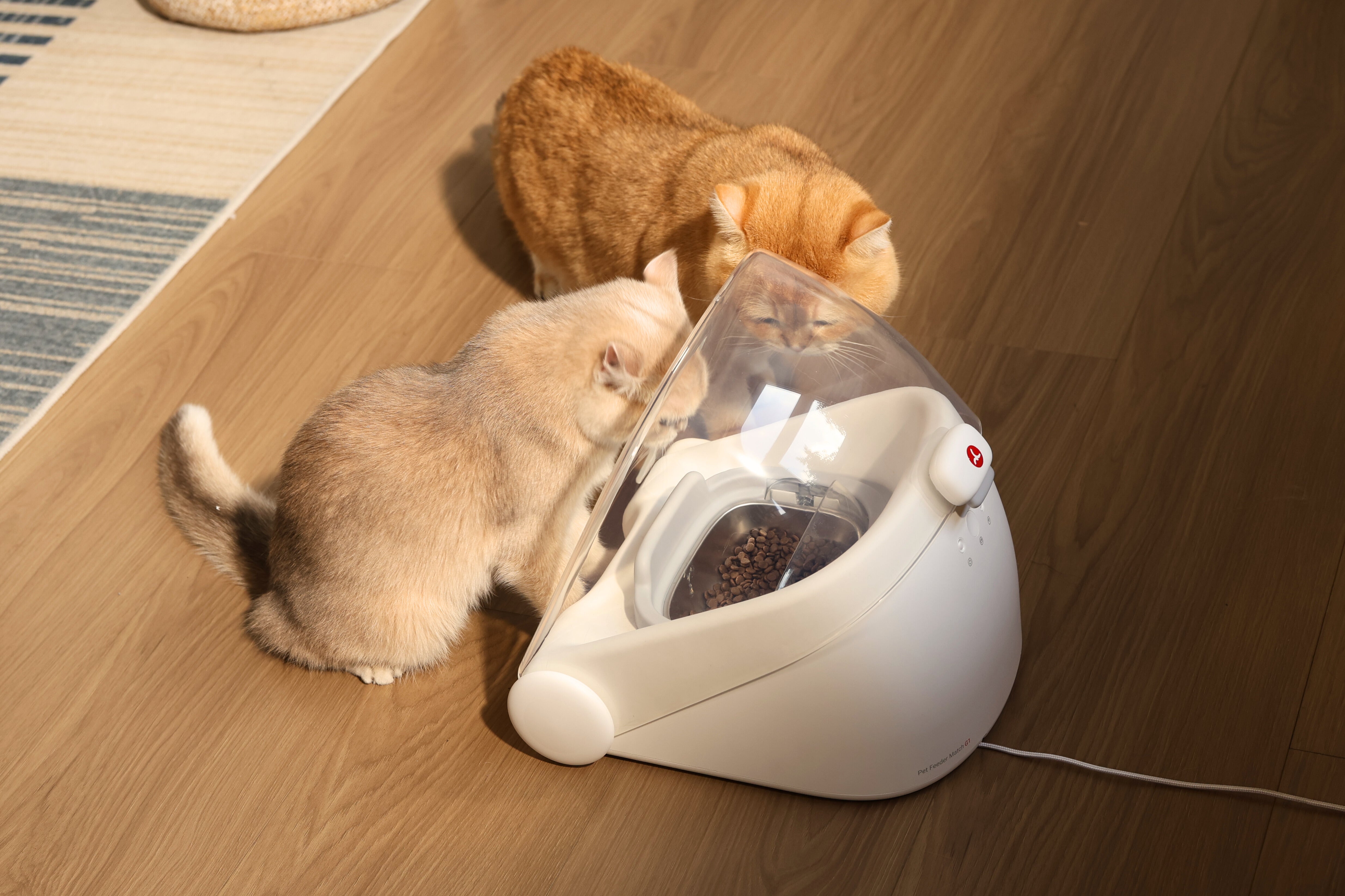
For multi-cat homes, this gets complicated fast. One cat finishes in three minutes. The other nibbles for an hour. If you have tried standing guard over two bowls twice a day, you know it is not sustainable. This is where technology comes in. The Cheerble Match G1 uses facial recognition to identify each cat and open only for the right one. It runs on Edge AI, so no cat data leaves your home. Each cat gets their measured portion, on schedule, without you playing referee.
Interactive play replaces the missing hunt
Diet handles the calories coming in. Play handles the calories going out. Real interactive play mimics a hunt: the toy darts, pauses, changes direction, and forces the cat to stalk and calculate. A 10-minute focused chase session burns more energy than an hour of aimless wandering.
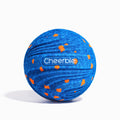
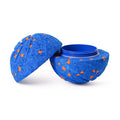
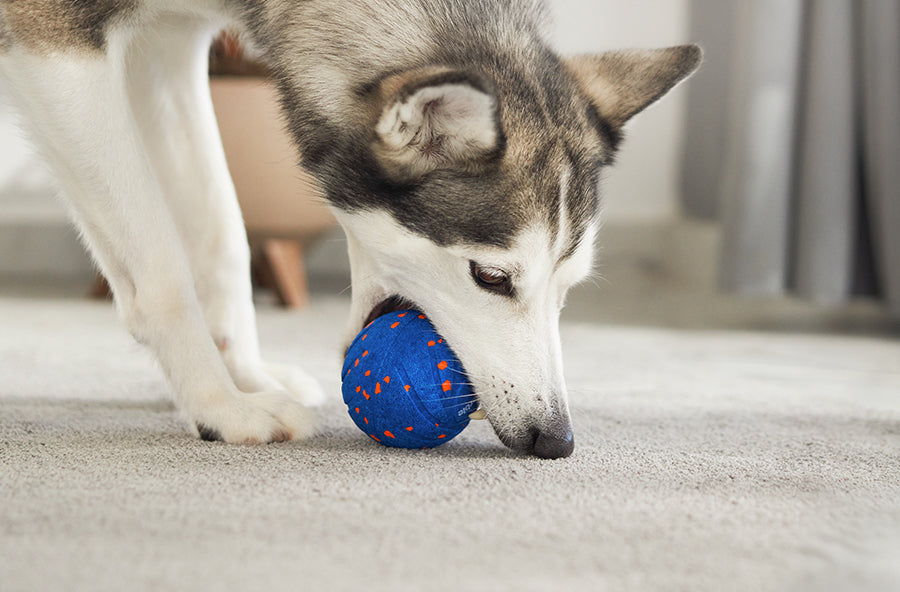
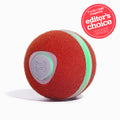
Smart toys fill the gap when you are not home. The Wicked Ball M3 has three modes and a soft silicone exterior quiet enough for apartment floors. The Wicked Ball Duo2 adds a second shell, a spinning top, that wobbles in place for cats who prefer to study their prey before striking. Both run on a 10-minute play, 30-minute rest cycle and only move when the cat engages, mimicking real prey while preventing the toy from driving itself under the couch.

Your orange cat is not broken
The round ginger cat in your living room is not the victim of a fat gene or a curse of coat color. He is a male cat, probably neutered, living in a house where food is always available and hunting never happens. That combination leads to the same result in cats of any color. It just shows up more often in orange ones because most orange ones are male.
Fix the pattern, not the cat. Measure the food. Schedule the meals. Give him something to chase that acts like prey. A lean orange cat is not a miracle. It is just a cat whose environment finally matches its biology.
Related reads:

Leave a comment
All comments are moderated before being published.
This site is protected by hCaptcha and the hCaptcha Privacy Policy and Terms of Service apply.