
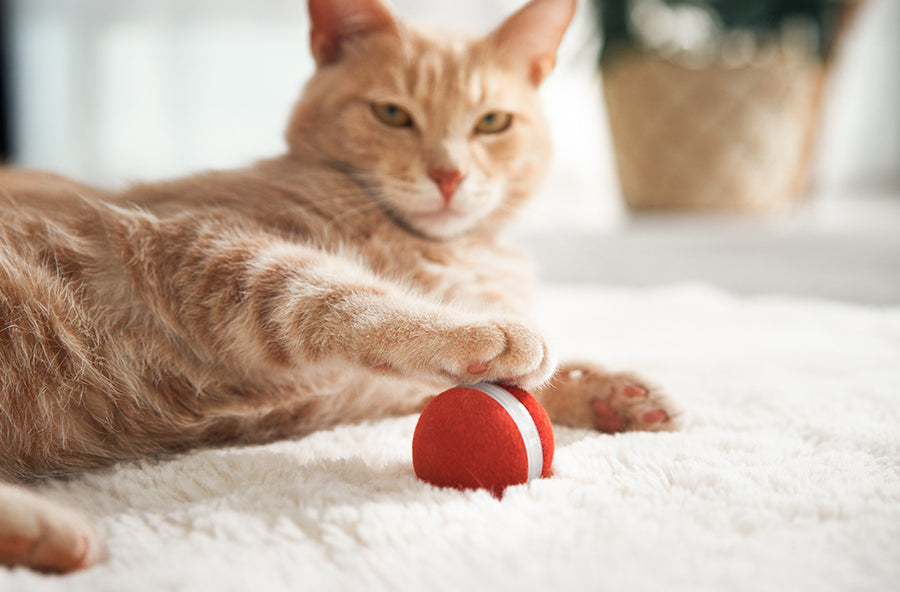
Quick answer: Cats evolved as desert hunters with a naturally low thirst drive, so most under-drink from a standing bowl. Fresh, moving water and moisture-rich food both measurably raise intake, and combining the two works better than either alone. A well-maintained fountain paired with wet food is the most reliable routine.
You top off the water bowl every morning. It still looks mostly full by evening. That's not your cat being fussy, it's biology working exactly as designed, just not for a house with a bowl instead of a mouse.
The good news: how you offer water isn't fixed. Small, evidence-backed changes to your cat's water and food routine can close that gap.
Why Cats Don't Drink Enough Water on Their Own
A Body Built for the Desert, Not the Kitchen
Domestic cats descend from Felis lybica, the North African and Middle Eastern wildcat, a species built around scarce water and a diet of small prey. That ancestry left modern cats with unusually concentrated urine and a thirst drive that barely registers compared to dogs or humans. A cat can go most of the day without visiting the water bowl and still feel fine in the moment, even while running a real water deficit.
Why Dry Food Widens the Gap
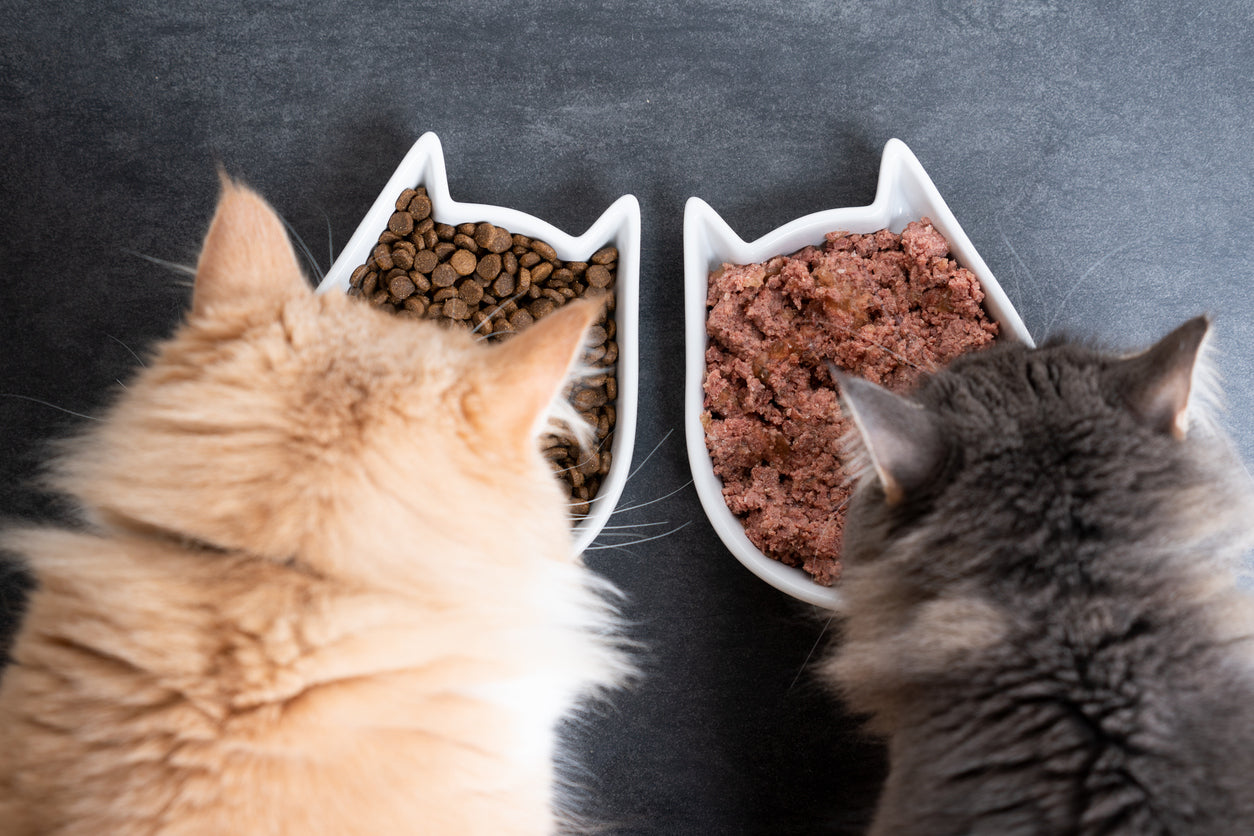
Dry kibble runs about 6-10% moisture. Wet food runs closer to 75%, near what a mouse would provide in the wild. A cat eating only dry food has to make up that difference by drinking on its own, and a blunted thirst signal means it usually falls short. The result shows up in the litter box before it shows up anywhere else: smaller, more concentrated urine.
What Actually Gets Cats to Drink More
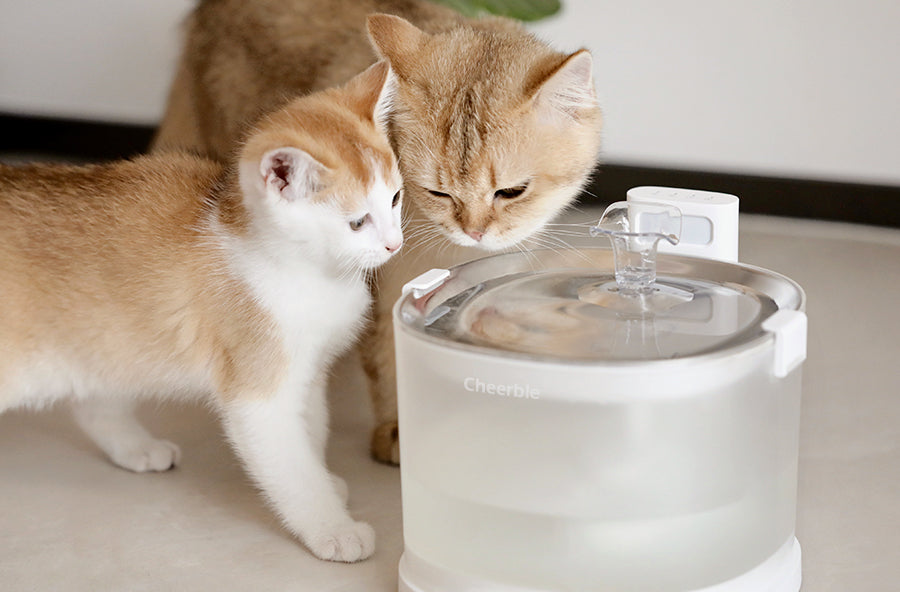
Fresh, Moving Water Measurably Increases Intake
A 2010 crossover study in the Journal of Feline Medicine and Surgery put the same cats on a fountain and on a standard bowl and measured what happened. Water intake from the fountain came in at 31.6 mL/kg/day, versus 22.9 mL/kg/day from the bowl, a statistically significant jump of nearly 40%. Owners noticed too: 83% said their cat clearly preferred the fountain. Individual cats vary, and a 2026 scoping review of 32 studies found the population-wide effect of water source alone was smaller than diet's, but for a cat that responds to moving water, the difference is real and worth acting on.
Diet Moisture Is the Other Half of the Equation
That same 2026 review, published in the Journal of Animal Science, found cats on wet diets reached total water intake of 42 to 52 mL per kg of body weight daily, with urine dilute enough to count as well-hydrated. Added salt, amino acids, and osmolytes each independently boosted intake further. The takeaway isn't fountain-or-food, it's both: a cat drinking fresh, appealing water and eating moisture-rich meals gets the benefit of each.
Why Stagnant Water Turns Cats Off
Standing water in a bowl starts growing biofilm, a sticky bacterial film, within about 48 hours. Cats notice the taste and smell shift before you do, and an unappealing bowl gets visited less. Circulating, filtered water resists that buildup and stays inviting for longer, which is a big part of why cats return to it more often.

Signs Your Cat Needs More Water, and How to Check
Dehydration and Urinary Risk Signs
Low water intake is a documented risk factor for feline lower urinary tract disease, according to the American Veterinary Medical Association, and chronic dehydration is linked to worsening chronic kidney disease over time. Watch for infrequent urination, small or very dark urine, straining in the litter box, or a coat that seems duller than usual. Any of these warrant a vet visit alongside changes at home.
A Simple At-Home Water Intake Check
Measure how much water you put out each morning, then measure what's left the next day, for a full week. Most vets estimate healthy daily intake at roughly 50 to 60 mL per kilogram of body weight, combining food moisture and drinking. If your cat is on dry food and consistently comes in well under that, it's worth building a plan around both food and water.
Building a Hydration Routine That Works
Start With a Water Source Your Cat Will Actually Use
Given the evidence above, the two highest-leverage changes are the same ones the research points to: fresher, moving water, and more moisture in the diet. A fountain addresses the first directly, and it's often the easier change to make since it doesn't require switching food overnight.
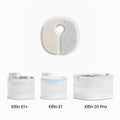
Elfin E1+: Premium Stainless Steel for Everyday Use
The Elfin E1+ uses pumpless MagDrive technology instead of a traditional motor, so there's no blind spot where biofilm can hide and nothing to disassemble for cleaning. The tray is 304 food-grade stainless steel, which some owners find helps with feline chin acne compared to plastic bowls, and it keeps every electronic part physically separate from the water for safety. It's quiet enough to run overnight without becoming a reason your cat avoids the room.
Elfin E1 Lite: A Lower-Cost Way to Start
The Elfin E1 Lite runs the same pumpless MagDrive system in BPA-free plastic instead of steel, at a lower price point. It's an easy first step if you want to see how your cat responds to moving water before upgrading.
Pair It With Moisture-Rich Food
Once the water side is handled, mix in wet food or add water to kibble to close the rest of the gap. The two changes reinforce each other more than either does alone.

Common Mistakes When Trying to Get Your Cat to Drink More
- Letting the fountain sit uncleaned. A dirty fountain with an unchanged filter can end up worse than a fresh bowl. Filters need replacing every 2 to 4 weeks.
- Switching food too fast. A sudden move to all wet food can upset digestion. Transition over a week or two.
- Only offering one water station. Cats often prefer water away from food and litter. A second bowl or fountain in a different room helps more than people expect.
- Placing the fountain somewhere loud or high-traffic. Cats are less likely to return to a water source near noise or foot traffic.
- Giving up after a few days. Some cats take one to two weeks to warm up to a new water source. Keep the old bowl available briefly during the switch.
- Frequently Asked Questions
Do cat water fountains actually make cats drink more?
Yes, for many cats. A controlled study found cats drank nearly 40% more from a fountain than from a bowl, and most owners in that study said their cat preferred it. Individual response varies, so pairing a fountain with wet food gives the most consistent results.
How much water should my cat drink per day?
Roughly 50 to 60 mL per kilogram of body weight per day, counting both drinking and food moisture, according to standard veterinary estimates.
Is wet food or a fountain better for hydration?
Both matter, and they work on different parts of the problem. Fountains make water more appealing to drink; wet food adds moisture directly. Combining both outperforms relying on just one.
How often should I clean a cat water fountain?
Wipe it down weekly and replace filters every 2 to 4 weeks. Biofilm can start forming within 48 hours in any standing water, fountain included.
What are signs my cat isn't drinking enough water?
Infrequent urination, small or dark urine, straining in the litter box, and a duller coat are common signs. Any of these should prompt a vet visit.
Will my cat automatically like a fountain?
Most cats adjust within one to two weeks. Keep a backup bowl available during the transition, and place the fountain somewhere quiet.
Conclusion
Cats aren't being difficult about water, they're built to need less of it than we assume, and dry food widens that gap further. The good news is that both halves of the fix are simple: water that stays fresh and moving, and food with real moisture in it.
Start with a fountain your cat will actually want to use, keep it clean, and pair it with a wet-food routine. That combination addresses both sides of what the research shows actually helps.
Related reads:
- The Ultimate Cat Water Fountain FAQ: Pumpless Hydration & Health (2026)
- How Do I Choose a Cat Water Fountain?
- How Smart Cat Tech in 2026 Can Improve Your Multi-Cat Home


コメントを書く
全てのコメントは、掲載前にモデレートされます
このサイトはhCaptchaによって保護されており、hCaptchaプライバシーポリシーおよび利用規約が適用されます。