





Quick Answer
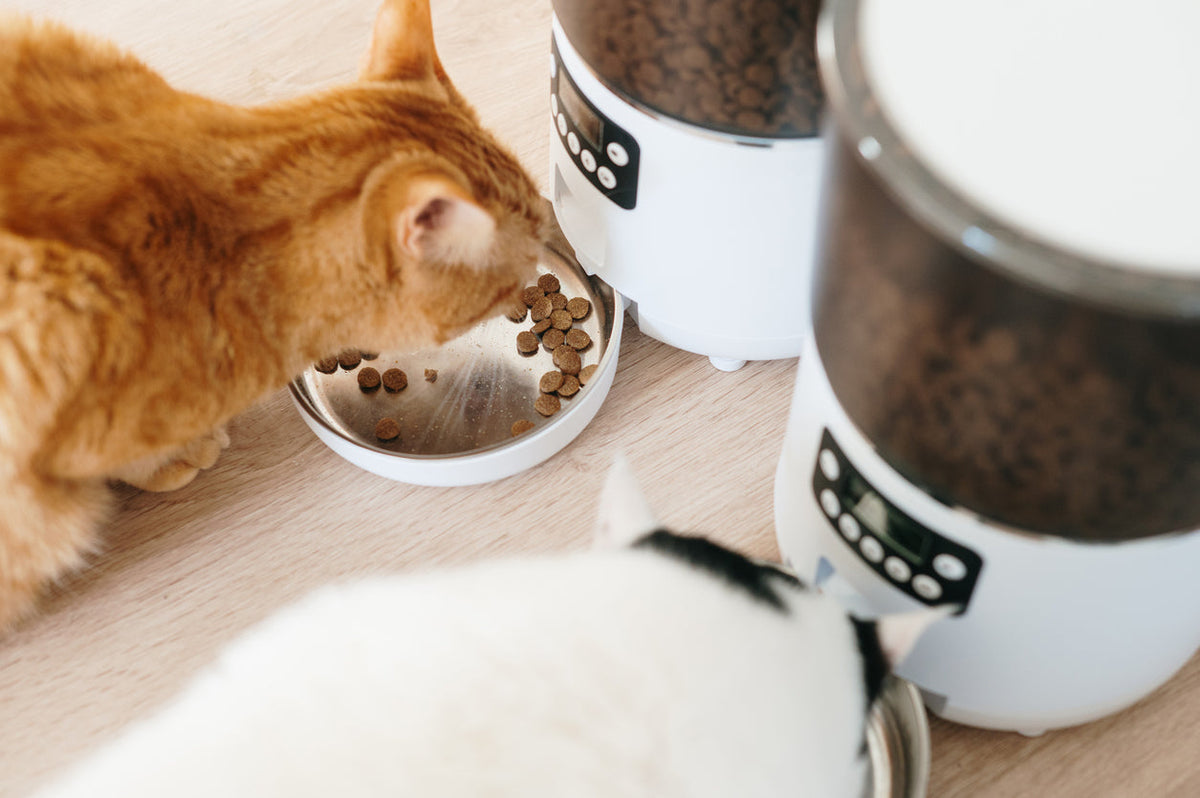
Introducing a visual recognition feeder to cats requires a gradual, three-stage transition strategy. Cats are naturally fearful of new objects, so rushing the process triggers stress responses. Here is the step-by-step guide to introduce a new feeder to your cats withour stress. Most cats adapt within 3-7 days when using positive association techniques. The Cheerble Match G1's Edge AI simplifies this by learning passively during the transition, eliminating the need for collars or forced enrollment.
Introducing new equipment to a cat's environment requires understanding feline psychology. Cats don't respond well to sudden changes in their feeding routine. This guide provides evidence-based steps for transitioning to a smart cat feeder while minimizing stress.
Respect the Feline Ego: Understanding Neophobia
The Science Behind the Fear
Cats exhibit neophobia, an innate wariness of unfamiliar objects. This evolutionary trait protected wild cats from threats. When you place a new device near their food bowl, especially one that beeps or moves, it can trigger cortisol elevation.
Research found that environmental changes near feeding areas cause measurable stress in cats, including decreased food intake and increased vigilance.
The Transition Goal
Your objective: shift the feeder from "unknown threat" to "neutral utility object." This doesn't happen overnight. Respect your cat's behavior and allow them to investigate on their own timeline.
Don't force your cat to use the feeder. Removing their old bowl too soon creates bad habits that take weeks to fix.

Preparation Phase: Scent and Sight (Days 0-2)
Scent Swapping Technique
Cats navigate their world through scent. Before powering on the Match G1, make it smell familiar.
Method: Rub a soft cloth on your cat's cheek glands (near the whiskers). Then rub that cloth on the feeder's surfaces, especially around the bowl and camera. This transfers pheromones, chemical signals cats use to mark safe objects.
Neutral Placement Strategy
Place the feeder next to your cat's existing bowl while keeping it powered off. No lights. No sounds.
Timeline: 48 hours minimum. This allows your cat to visually inspect, sniff, and determine it's not a threat.
What to avoid: Don't plug it in yet. Even standby lights can startle cautious cats.
Stage 1: High-Value Treat Association (Days 1-3)
Manual Rewards
Put high-value treats in the bowl while the lid is open and off. This helps your cat enjoy using the new device.
High-value options: Freeze-dried chicken or salmon, small pieces of cooked chicken, favorite commercial treats, or small amounts of wet food.
Use something more appealing than regular diet food. You're creating a reward system.
Positive Reinforcement Protocol
Frequency: 3-4 times daily Duration: 5-10 minutes per session
Place treats progressively closer to the Face ID camera area. Let your cat discover them independently. Do not force them toward the feeder.
Progress indicator: Your cat should willingly approach and eat treats from the bowl without hesitation. If still reluctant after 3 days, extend this stage 2-3 more days.
Stage 2: Passive Recognition & Learning (Days 3-5)
The Invisible Enrollment Process
The Match G1 is different from RFID feeders. Its "Naked Recognition" uses Edge AI to learn faces without stressful collars or forced setups. No forced "enrollment sessions."
Activation:
- Enable camera in passive learning mode (lid stays open)
- Continue placing treats or regular food
- Edge AI photographs and analyzes facial geometry as your cat eats
This happens silently. Your cat experiences no difference from Stage 1.
Maintaining the Safety Net
Critical rule: Don't remove your cat's old bowl during this stage.
Cats operate on a "scarcity mindset" with food. Removing their familiar bowl before they trust the new one risks triggering resource guarding or feeding refusal.
Keep both bowls available. Most cats naturally prefer the new feeder once they trust it.
For multi-cat families: This dual-bowl approach prevents dominant cats from monopolizing the feeder while submissive cats go hungry.

Stage 3: Full Automation & The Final Swap (Days 5-7)
Activating the Lid Mechanism
Once your cat consistently eats with the camera active, begin using the automatic lid.
First activation: Choose a time when your cat is hungry but calm, ideally when they're already approaching the feeder.
Expected reactions:
- Ideal: Momentarily curious but continues eating
- Common: Startles slightly, backs away, returns within 1-2 minutes
- Problematic: Refuses to approach for 10+ minutes
If problematic reaction occurs, return to Stage 1 for 24 hours.
Removing the Safety Net
When to remove the old bowl: Only after 3-5 successful automated feeding cycles without hesitation.
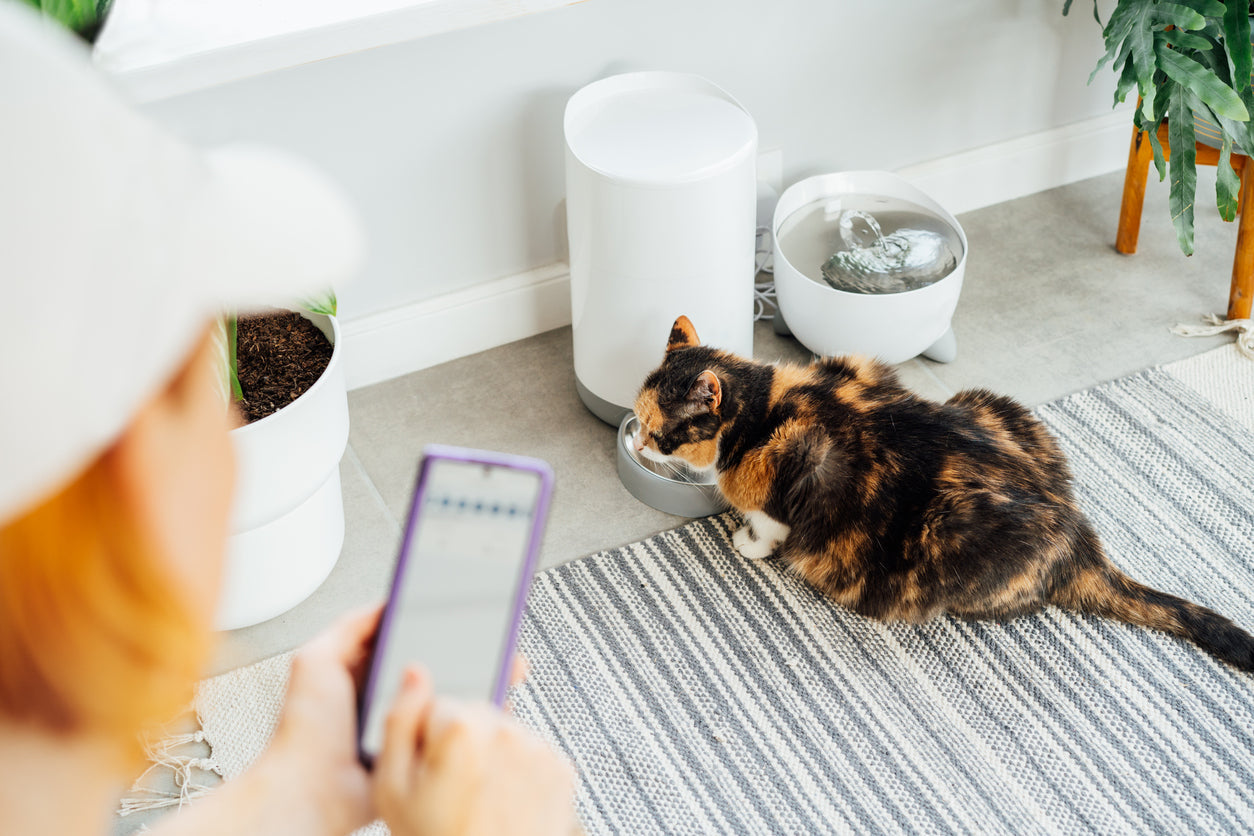
Monitoring: The Match G1 app provides feeding logs:
- Time stamps of each feeding.
- Which cat accessed the bowl (in multi-cat families)
- Duration of feeding sessions
Check logs daily during the first week. Look for consistent meal times and normal duration.
Red flag: If any cat's feeding frequency drops or they eat unusually quickly, they may still be stressed. Slow the transition.
Troubleshooting: What if My Cat is a "Super-Skeptic"?
Extended Timeline for Cautious Cats
Some cats need more time. Senior cats or anxious pets might take up to 14 days to feel safe.
Signs of a super-skeptic:
- Refuses to approach for high-value treats after 3 days
- Approaches but won't eat, only sniffs
- Shows stress signals: flattened ears, dilated pupils, low body posture
Modified approach: Double the duration of each stage, use even higher-value treats (small amounts of tuna), and conduct sessions when the house is quiet.
Location Assessment
Placement matters.
Poor locations: Corners where dogs could trap the cat, near loud appliances, high-traffic areas, or next to litter boxes.
Optimal locations: Quiet areas with escape routes, where the cat already eats comfortably, away from other pets' stations, with good lighting for Face ID accuracy.
If your cat remains hesitant after 14 days, try relocating the feeder.
When to Consult a Veterinarian
If your cat refuses to eat from the feeder after 14 days of proper introduction, consult your cat veterinary professional. Underlying issues may include dental pain, vision problems, or medical conditions affecting appetite.
Persistent feeding refusal indicates a broader pet health concern requiring professional assessment.

Special Considerations for Multi-Cat Households
Introduce feeders sequentially, not simultaneously. Set up and transition one feeder completely before introducing a second.
Why: Cats learn by observing. Once one cat successfully uses the feeder, others typically adapt faster.
Timeline adjustment: Add 2-3 days to each stage when managing multiple cats.
Conclusion: Patience Yields Results
Successful transition depends on aligning the feeder's behavior with feline neophobia and reward learning. The Match G1 are sophisticated, but only effective if your cat is comfortable using the device.
Most cats adapt within 3-7 days with gradual introduction. For cautious cats, 14 days is normal and appropriate.
A patient start brings long-term rewards. Your cat will eat confidently and stay healthy without any feeding anxiety.
Unlock Cheerble Match G1 priority order benefits for your cat

Disclaimer: The information provided in this article is for educational and informational purposes only and is not intended as a substitute for professional veterinary advice, diagnosis, or treatment. Always seek the advice of your veterinarian or other qualified pet health provider with any questions you may have regarding your cat's medical condition or dietary needs. Never disregard professional medical advice or delay in seeking it because of something you have read on this website.

Leave a comment
All comments are moderated before being published.
This site is protected by hCaptcha and the hCaptcha Privacy Policy and Terms of Service apply.