

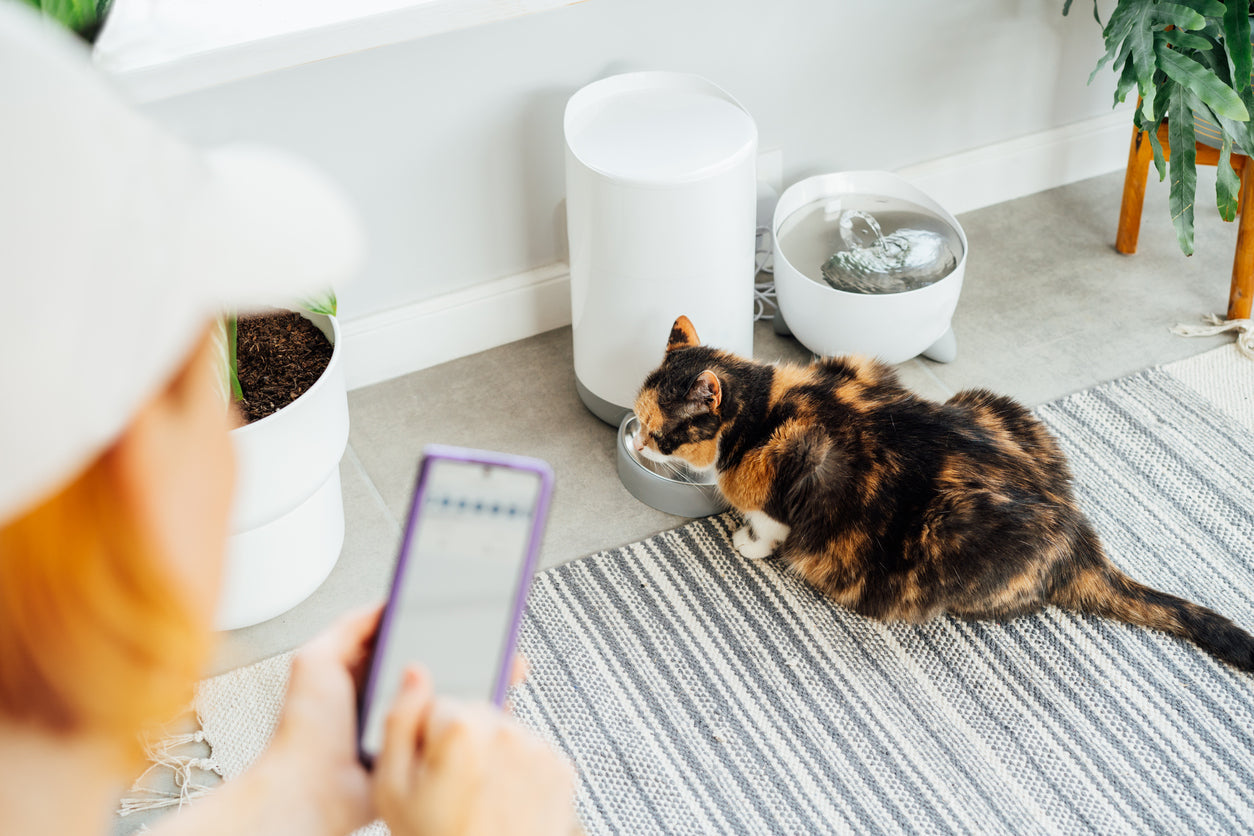
I'll be honest. For years, I thought "smart feeders" were overpriced gadgets for people with too much money.
You strap an RFID tag on your cat's collar. The feeder reads the chip. The bowl opens. Sounds perfect in theory. In practice? Your dog figures out he can shove the cat aside in those 2-3 seconds before the door closes. Or the collar falls off. Or your cat refuses to wear one in the first place.
Then I tried a visual recognition pet feeder. No collar. No tag. No physical dependency. Just my cat's face. The difference is immediate: the door locks the instant an unauthorized animal gets close.
If you've been playing "food referee" in a multi-pet family, dealing with stolen medical diets, or just tired of lost RFID tags, here's what actually works in 2026.
What is a Visual Recognition Pet Feeder?
Let me clear this up. A visual recognition feeder isn't a pet cam. It's a biometric security system for cat food.
How Face ID for Cats Actually Works
The feeder has a camera and processor (NPU, or Neural Processing Unit) that maps your cat's unique facial geometry. Cheek width, eye spacing, ear shape, nose bridge structure, whisker patterns.
When your cat approaches, the system compares what it sees to the stored profile. Match? Door opens. No match: regardless of whether that is your dog, another cat, or a toddler, the bowl stays locked.
The major shift in 2026 is Edge AI. Older feeders uploaded video to cloud servers, creating privacy concerns and delays. Modern systems, like the Match G1, process everything on the device itself.
Why this matters:
- Privacy, your cat's face data never leaves your home.
- Speed, recognition in milliseconds.
- Reliability, works even when Wi-Fi crashes.
| Feature | RFID / Microchip Feeders | Cheerble Match G1 (Face ID) | Why It Matters |
| Identification Method | Collar Tag / Implanted Chip | Naked Recognition (Face ID) | No more lost tags or collar stress. |
| Response Speed | 2.0 to 3.0s Delay | Under 0.1s | Prevents "tailgating" by food bullies. |
| Data Privacy | Basic | Local Edge AI (Air-Gap) | No images ever leave the device. |
| Growth Adaptation | Static | Autonomous Learning | Adapts as kittens grow into adults. |
| Security Level | Low (Easily cheated by dogs) | High (3D Geometry Sensing) | Keeps dogs out, even during impact. |
Why You Actually Need This
The Food Bully Problem
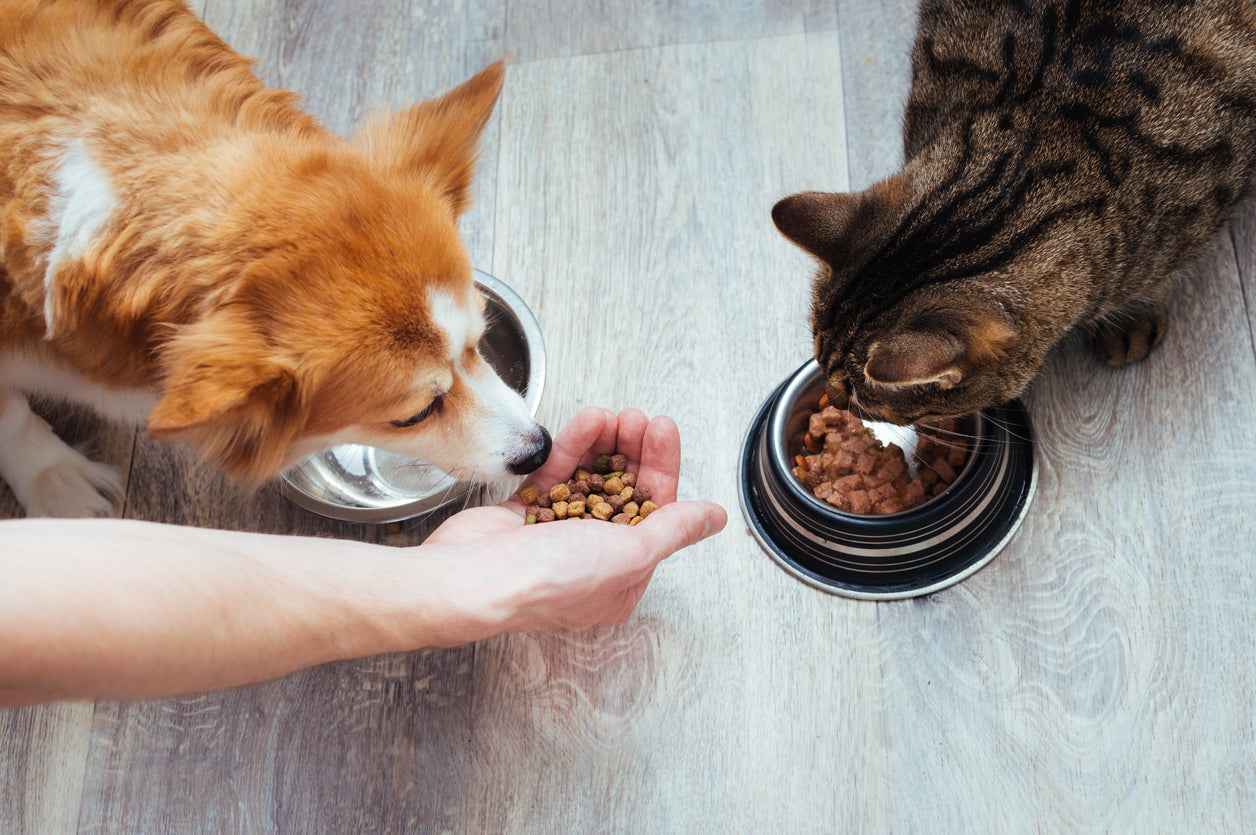
Every multi-cat family has one. The cat who monitors their siblings and waits for opportunities. Traditional RFID feeders have a fundamental flaw: handshake delay. That 2-3 seconds between chip detection and door closing seems instant to humans. To a determined cat, it's exploitable.
They learn the pattern. Wait for the authorized cat. Push them aside. Grab food before the door closes.
Visual recognition with Face ID cuts this to under 0.1 seconds. Wrong face approaching? The door doesn't open. No window to exploit.
Prescription Diet Protection
If your senior cat is on prescription kidney care food, they need that exact formula. Not regular kibble. Not the kitten's food. With traditional bowls or RFID feeders with delays, you're gambling every meal. Did the right cat eat it? When it comes to cat medical diets, guessing isn't good enough.
A visual feeder with Face ID solves this. The bowl won't open unless the authorized cat's face is detected. For families managing medical diets, this is about ensuring medical compliance.

The Collar Problem
Cats hate collars. They get caught on furniture. They cause skin irritation. The tags make noise, and they fall off. Some cats refuse to wear collars, period.
Naked Recognition, identifying your cat without wearables, respects their natural state. No collar stress. No lost tags. No batteries.
Beyond Simple Gatekeeping
Many users search for a cat feeder to keep dogs out, but they often forget that a hungry Golden Retriever or Labrador does not just wait: they push. Traditional feeders rely on a thin plastic lid and a slow RFID trigger. If a dog uses its weight to deliver a physical impact or shoves the cat aside during that "handshake delay," the system fails.
How It Actually Works
The whole process happens in milliseconds:
- Motion Detection → The sensor wakes up when something moves near the bowl.
- Face Analysis → The camera captures facial structure. Edge AI compares this to stored profiles locally. No internet upload. On-device data processing.
- Lock or Unlock → Right face? Door opens. Wrong face? Door stays shut.
The Autonomous Learning Advantage
Pets change. Your kitten at 12 weeks looks completely different at 12 months. Static AI models fail here. The Match G1 uses Autonomous Learning. Every feeding event refines the model. The system observes growth and updates automatically. You never re-enroll. The feeder just keeps working.
What to Look For When Shopping
Ignore the flashy extras. Focus on core tech.
- Privacy: Look for air gap privacy. Facial recognition should happen entirely on the device, not in the cloud.
- Speed: "Zero-latency" claims matter. The Match G1 recognizes faces in under 0.1 seconds.
- Bowl Material: Stainless steel. Plastic harbors bacteria and causes feline acne.

Common Questions
"Can I trick it with a photo?"
Nope. High-end systems use depth sensing. A 2D photo lacks the 3D geometry the NPU expects.
"What if my Wi-Fi goes down?"
The Match G1 doesn't need internet to recognize your cat. Edge AI means recognition is 100% local.
"Will it work if my cat loses weight?"
Yes. Autonomous Learning adapts to gradual changes automatically.
Why This Actually Matters
I used to think smart pet tech was about laziness. Then I talked to someone managing diabetes in a multi-cat home. Their diabetic cat needed precise calorie control. Every stolen meal meant blood sugar chaos.
For them, a visual recognition feeder wasn't a gadget. It was a medical device. This technology isn't about convenience. It's about ensuring the right animal gets the right food, every time. No hovering. No gates. Just certainty.
The 2026 Standard
RFID feeders are becoming what timed dispensers were five years ago: outdated.
Visual recognition is the new baseline for multi-pet families. You shouldn't have to choose between smart feeding and data privacy. You shouldn't have to strap collars on cats who hate them.
The technology exists to handle this automatically. The question is whether you're ready.
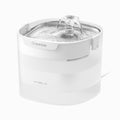
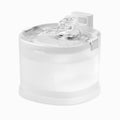
Meet Cheerble Match G1 now.


Leave a comment
All comments are moderated before being published.
This site is protected by hCaptcha and the hCaptcha Privacy Policy and Terms of Service apply.